




Silver Plated Serving Bowl
A silver plated serving bowl brings substance to the table, uniting practical serveware with the decorative weight of past eras.
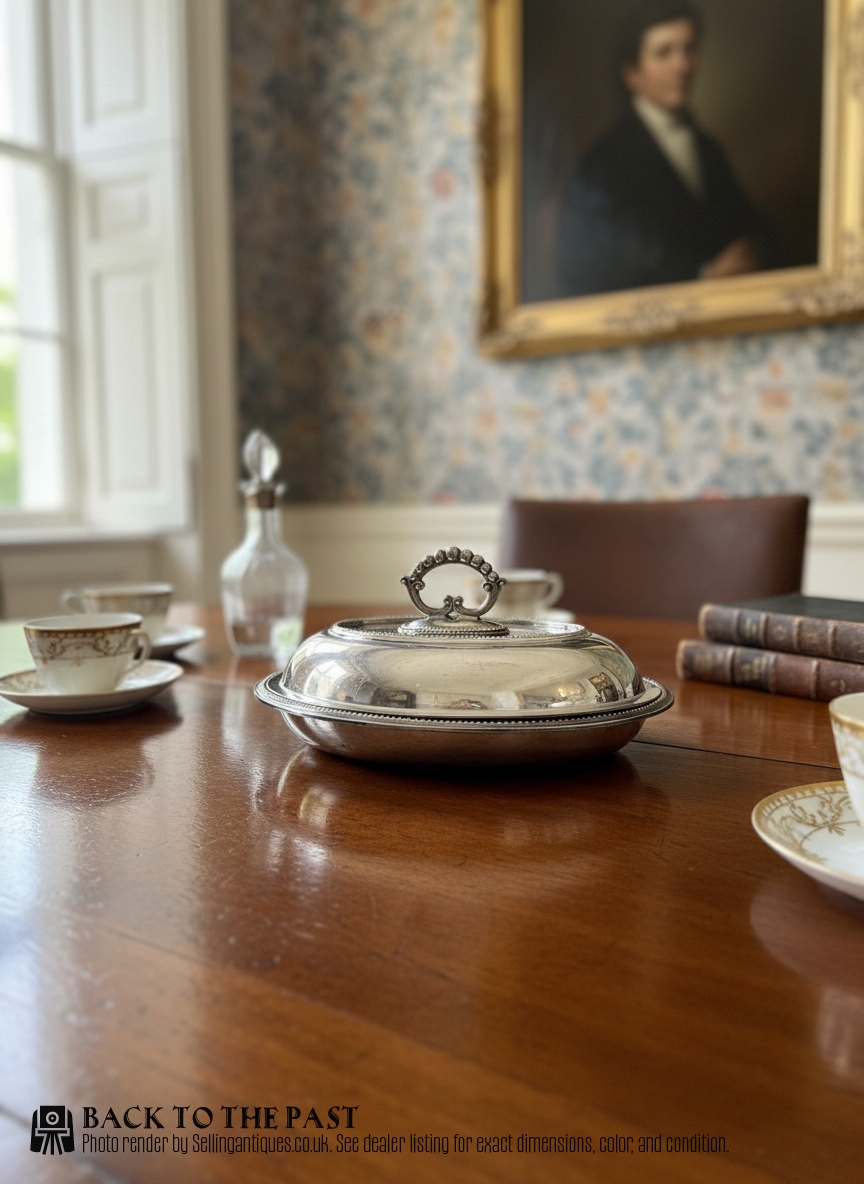
Silver Plated Serving Bowl
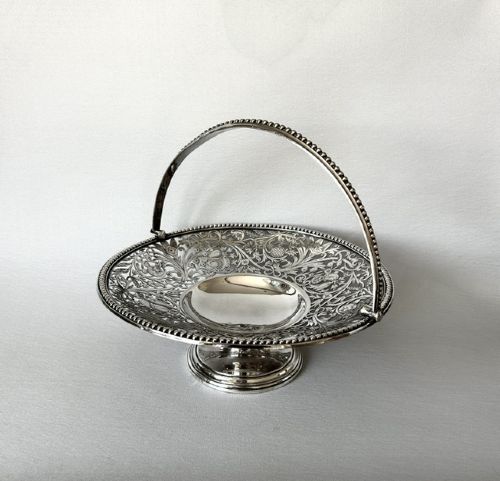
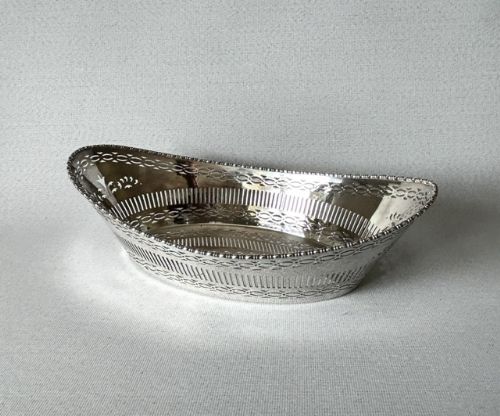
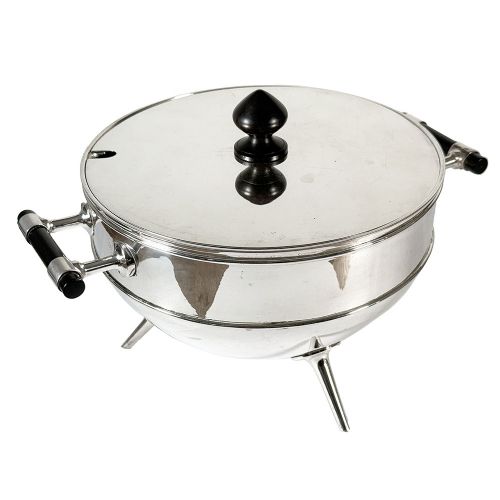
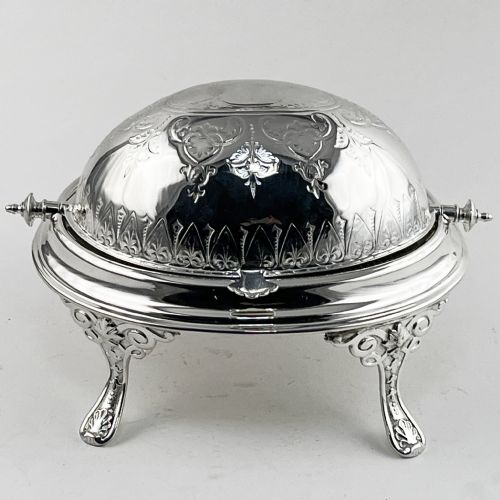
When you search for a silver plated serving bowl, you encounter a wide variety of forms spanning from the nineteenth century through the Art Deco period. These pieces include fruit baskets, entree dishes, tureens, and sweetmeat dishes designed for formal dining and everyday hospitality.
Victorian and Edwardian examples dominate the selection, often featuring elaborate floral engraving, swing handles, and pierced galleries. Alongside British designs, French Art Deco pieces and Old Sheffield plate emerge regularly, showing diverse regional interpretations of table service.
Forms range from deep punch bowls and lidded butter dishes to shallow bread baskets and warming dishes. Many incorporate supplementary materials like cut glass, oak, or majolica ceramics to hold salads, fruit, and sauces.
Materials and methods of construction
Makers utilised copper as the base metal, coating it with silver either through the early Old Sheffield method of fusing sheet silver to copper or through later electroplating techniques. Electroplated nickel silver and EPNS became standard production materials by the mid-nineteenth century, providing a durable foundation for the silver layer.
Craftsmen combined metalwork with organic and mineral elements, mounting silver plated rims onto cut glass bowls, polished oak bases, and ebonised wood handles. Details such as floral engraving, pierced latticework, and cast mounts required specialised hand-tooling and soldering by skilled silversmiths.
Silver Plated Serving Bowl Retail Price Guide 2026
Typical asking prices for silver plated serving bowl among the pieces listed under this phrase on Sellingantiques today, from the lower quarter to the upper quarter. They describe what is for sale here now, not the wider market.
Listings feature items spanning the Victorian, Edwardian, and Art Deco periods, incorporating cut glass, oak, and copper alongside silver plate.
Distinctions in quality
Quality rests in the crispness of chased or engraved ornament and the structural integrity of joints, handles, and feet. Heavier pieces generally indicate a thicker base metal and a more substantial layer of silver plating that resists wear over generations of use.
The reputation of the maker and the cohesion of design elements set exceptional items apart from standard production. Pieces bearing recognisable maker marks or attributed to notable designers command greater attention for their superior proportions and finish.
Mappin & Webb·Walker & Hall·Elkington·James Dixon·Christofle·Hukin & Heath
The Silver Plated Serving Bowl Glossary
- EPNS
- Electroplated Nickel Silver. A common base alloy used beneath the silver coating on later nineteenth and twentieth-century items.
- Old Sheffield Plate
- An early method of fusing a thin sheet of silver to a copper core before the invention of electroplating. This technique produces a characteristic warm tone where the base copper subtly shows through high points.
- Entree dish
- A covered serving vessel intended for presenting main course portions at the dining table. Many feature removable handles allowing the base to function as a separate dish.
- Tureen
- A deep, bowl-like container equipped with a lid and often handles, traditionally used for serving soups, sauces, or stews. Examples range in scale from sauce boats to large punch bowls.
- Sweetmeat dish
- A small decorative bowl designed for serving confectionery, nuts, or small sweet treats during dessert courses.
Silver Plated Serving Bowl: Frequently Asked Questions
How do I clean a silver plated serving bowl?
Use a soft cloth and a gentle, non-abrasive silver polish formulated specifically for plated items. Avoid harsh scrubbing that can wear through the thin silver layer down to the base metal.
Rinse the bowl in warm water and dry it thoroughly with a clean cloth to prevent water spots and tarnishing.
Can I use these bowls for food today?
Most silver plated vessels remain suitable for serving dry foods, fruit, and bread. Items intended for acidic foods or long-term liquid storage require careful consideration due to potential interaction with the metal.
Wash the pieces by hand immediately after use rather than placing them in a dishwasher.
What is the difference between silver plate and sterling silver?
Sterling silver consists of solid precious metal throughout, marked with specific standard hallmarks indicating its purity. Silver plate comprises a base metal, such as copper or nickel silver, coated with a thin layer of pure silver.
Plated pieces offer the visual appearance and lustre of solid silver at a different scale of composition.
How do I date an antique serving bowl?
Examine the style of decoration, manufacturing marks, and any stamped registry numbers on the underside of the base. Victorian and Edwardian pieces often display specific aesthetic traits and maker ciphers that align with historical production periods.
Comparing the construction technique, such as Old Sheffield plating versus electroplating, provides a reliable timeframe for manufacture.