
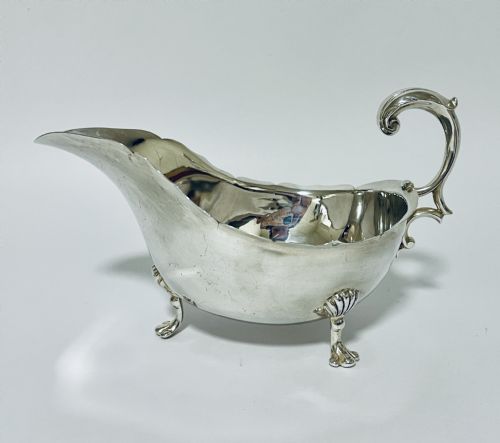


Silver Plated Sauce Boat
A silver plated sauce boat brings formal dining history to the table, offering practical warmth and elegance for gravies and condiments.
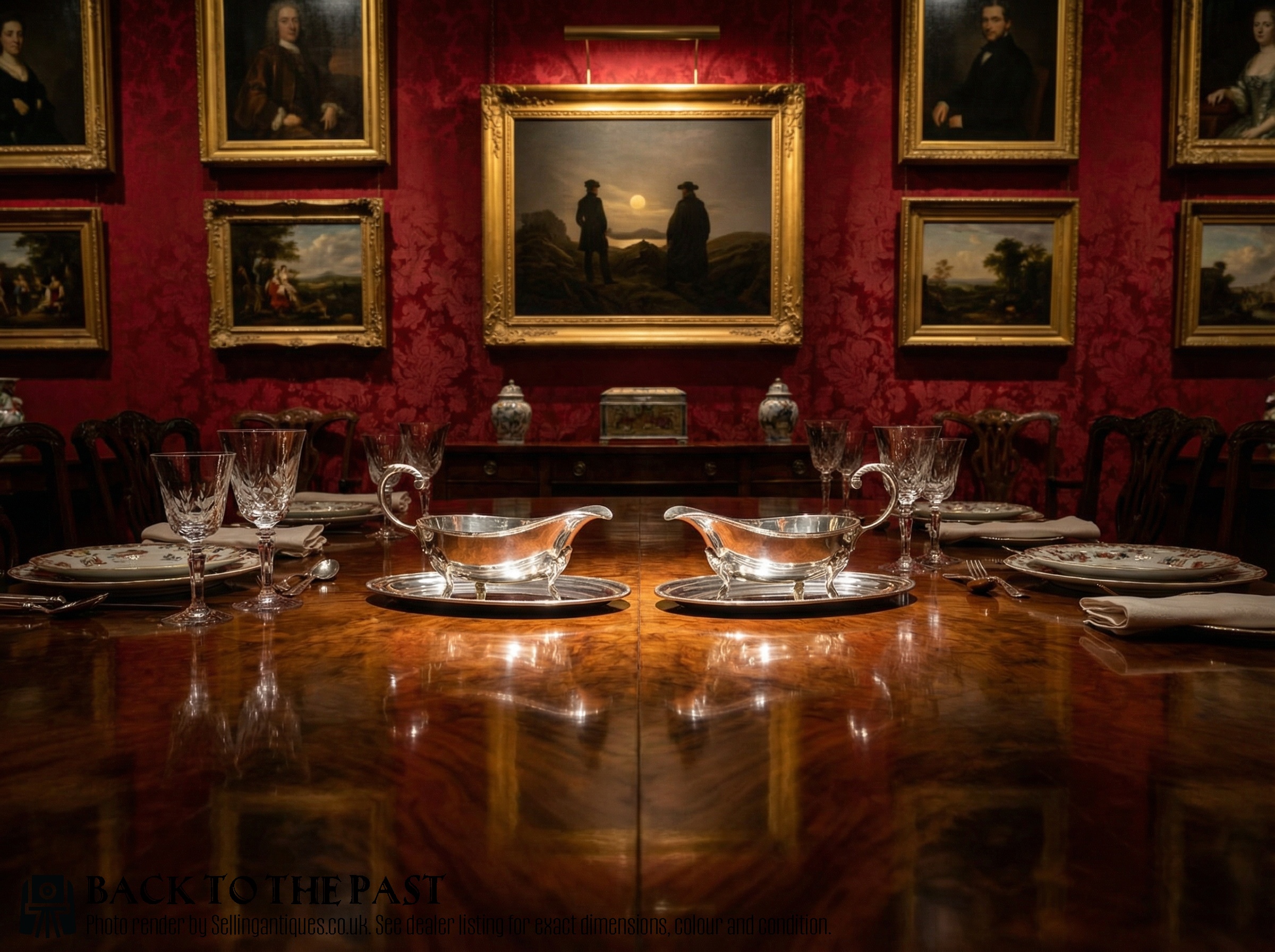
Silver Plated Sauce Boat
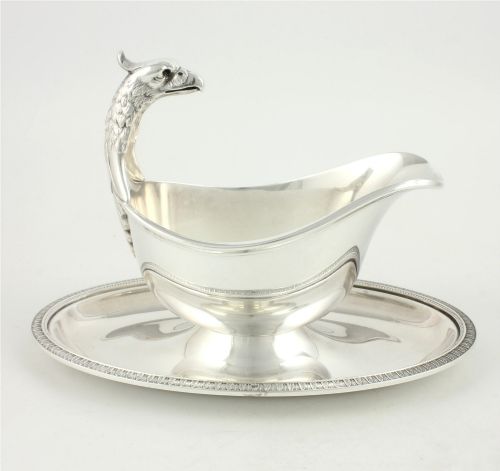
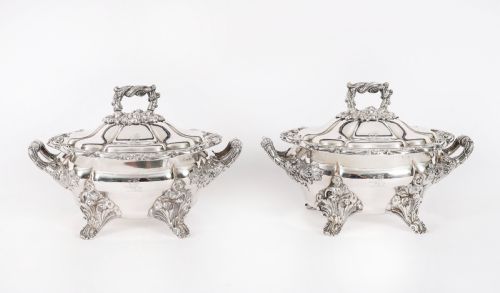
A silver plated sauce boat is an elegant table vessel designed for serving gravies, sauces, and condiments during meals. When searching for a silver plated sauce boat, buyers encounter various forms ranging from open vessels on stands to lidded tureens and specialised warmers. These serveware pieces appear across numerous historical periods, including the Georgian, Victorian, and Edwardian eras, as well as mid-century French manufacture.
The domestic dining table relies on these vessels to deliver sauces smoothly and attractively. Pieces frequently present as pairs or single items, sometimes featuring attached stands, figural legs, or hinged lids. English and French workshops produced the majority of examples found in this category, utilising durable base metals beneath a layer of silver.
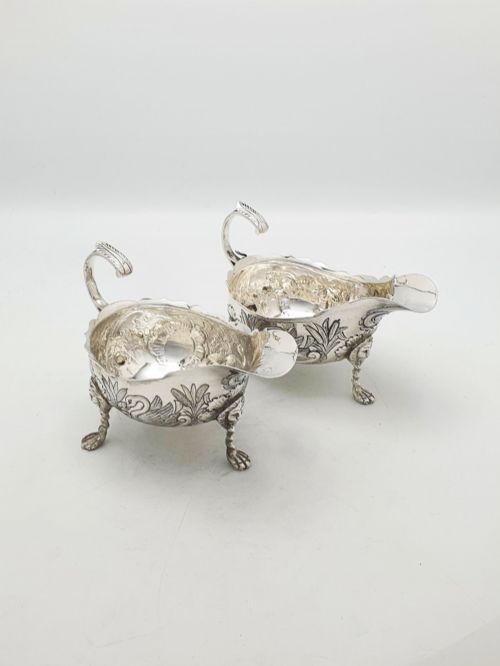
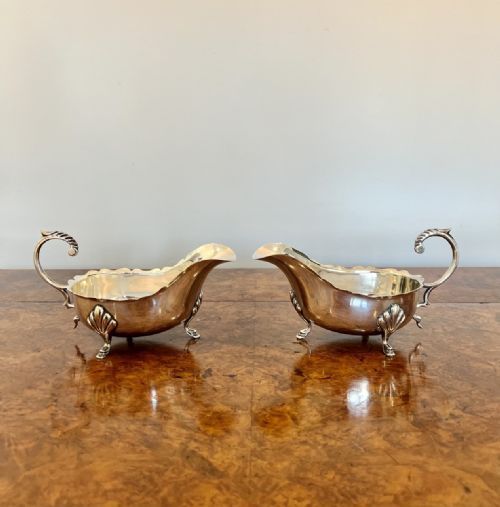
The most common version met on this page is the classic open boat resting on three feet, often dating from the late nineteenth or early twentieth century. These everyday dining items combine functional utility with ornamental grace, reflecting the shifting dining fashions of past centuries.
Materials and construction techniques
Old Sheffield plate forms the foundation of earlier pieces, involving a thin sheet of silver fused to a thicker copper core under intense heat. This fusion technique creates a durable material where the underlying copper occasionally shows through with age and polishing.
Electroplated nickel silver supersedes earlier methods by the mid-nineteenth century, providing a uniform metallic base covered with an electrical deposition of pure silver. Manufacturers frequently shape these metals by hand or machine before adding engraved decoration, cast handles, and applied borders.
Silver Plated Sauce Boat Retail Price Guide 2026
Typical asking prices for silver plated sauce boat among the pieces listed under this phrase on Sellingantiques today, from the lower quarter to the upper quarter. They describe what is for sale here now, not the wider market.
Swans and winged creatures occasionally lend their graceful necks and tails to Victorian sauce boat handles.
Assessing quality and craftsmanship
The thickness of the applied silver and the preservation of the underlying metal define the structural integrity of each vessel. Superior pieces maintain crisp engraving, firmly soldered handles, and well-balanced feet that rest evenly without wobble.
Artistic execution separates standard utilitarian items from exceptional examples. Fine specimens display cast figural elements, crisp crests, and harmonious proportions that demonstrate the skill of the original silversmith or metalworker.
Christofle Gallia·Mappin And Webb·Christofle Of Paris·Walker And Hall·Marples And Co·Padley Parkin And Staniforth·James Dixon
The Silver Plated Sauce Boat Glossary
- Old Sheffield Plate
- An early method of fusing silver to a copper base before the invention of electroplating. This technique creates a distinct layered appearance where the copper base shows softly at the edges.
- Electroplated Nickel Silver
- A base alloy of copper, nickel, and zinc coated with a layer of pure silver using electricity. This industrial process became the standard method for silver plating from the mid-nineteenth century onward.
- Argyll
- A specialised gravy warmer featuring a central heating compartment or double walls to keep liquids hot at the table. This vessel ensures sauces maintain their temperature throughout a formal meal.
- Sauce Tureen
- A deep covered serving vessel designed for holding sauces and gravies. These pieces often include matching undertrays and ornate lids to retain heat.
- Condiment Holder
- A small tabletop vessel used for holding specialised sauces, preserves, or seasonings. These items expand the range of table serveware beyond standard gravy boats.
Silver Plated Sauce Boat: Frequently Asked Questions
How do I clean a silver plated sauce boat?
Wash the vessel gently in warm, soapy water using a soft cloth, avoiding harsh abrasive cleaners that wear down the thin silver layer.
Dry the metal thoroughly with a soft towel to prevent water spots and maintain a soft, natural shine over time.
Can I use these antique sauce boats for daily dining?
These historical vessels function well for serving warm gravies and sauces during special dinners or everyday meals.
Hand washing remains essential to preserve the delicate plating and prevent any historical base metals from reacting with harsh dishwashing chemicals.
What is the difference between a sauce boat and an argyll?
A standard sauce boat is an open vessel designed for immediate pouring at the table, while an argyll includes a built-in warming mechanism.
Argylls feature internal chambers filled with hot water to keep sauces from cooling during extended formal dining courses.
How can I tell Old Sheffield plate from electroplate?
Old Sheffield plate often reveals a faint reddish copper tone along the high points and cut edges where the silver layer has worn thin.
Electroplated nickel silver displays a uniform silvery white metal underneath areas of wear due to the nickel content in the base alloy.