


Bright Silver Tableware
Bright silver tableware brings refined Georgian and Victorian utility to the modern dining room, offering brilliant reflective surfaces and enduring metalwork.
Bright Silver Tableware
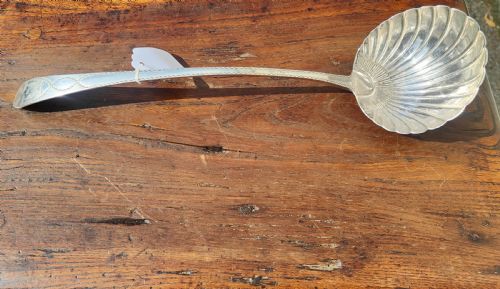
Bright silver tableware encompasses functional dining accessories from the Georgian, Victorian, and Edwardian periods. Collectors find items ranging from early cream jugs and soup ladles to mustard pots and sugar tongs.
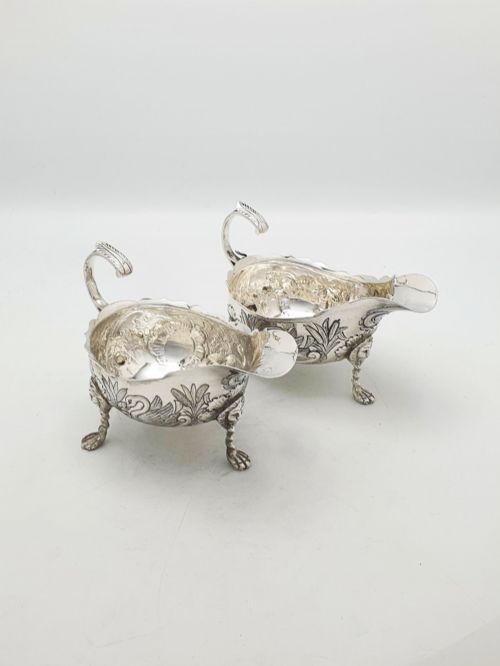
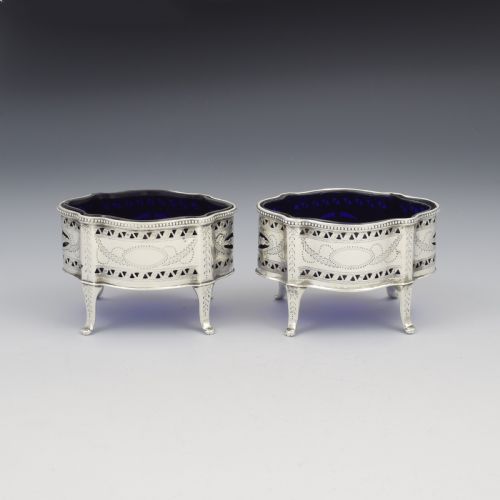
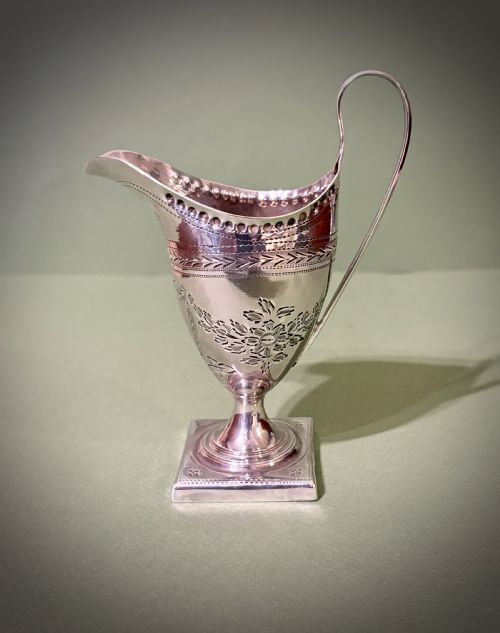
The objects on this page span solid sterling silver and silver plate, reflecting centuries of dining customs. Formats include helmet cream jugs, serpentine table salts, and provincial sauce boats.
Makers from London, Chester, and Ireland contributed pieces featuring bright cut engraving and pierced detailing. These domestic utensils reveal the changing aesthetic of the dining table across successive reigns.
How bright silver tableware was made
Silversmiths shaped sterling silver and electroplated nickel silver through hammering, casting, and piercing. Master craftsmen formed hollowware such as cream jugs and sauce boats from sheet metal, soldering seams with precision.
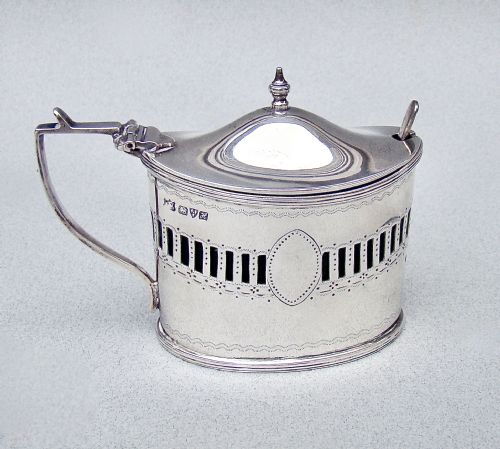
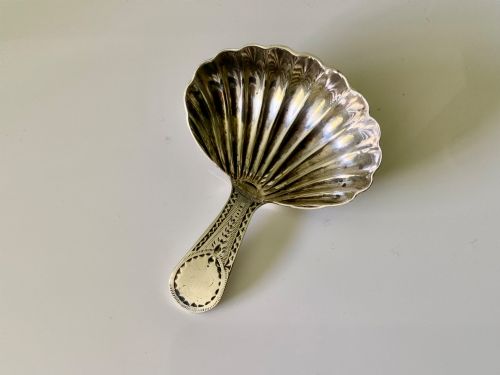
Decoration relied on hand techniques including bright cut engraving, creating faceted lines that catch the light. Piercing was executed with fine saws to produce intricate geometric or serpentine patterns on mustard pots and salts.
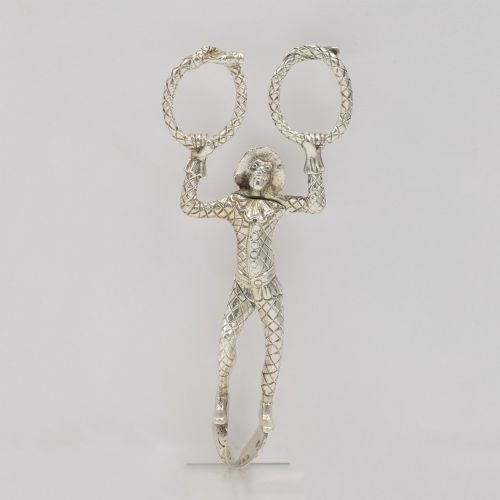
A mischievous monkey sits upon the handle of one George IV novelty silver sugar tongs, ready to sweeten tea.
What varies in quality
Quality rests in the crispness of the hand engraving and the structural integrity of joints and handles. Superior examples maintain deep, sharp bright cut patterns without softening from centuries of polishing.
Weight and balance distinguish higher tier items, particularly in ladles and serving utensils. The gauge of the silver plate or sterling metal dictates durability, while maker marks and clear hallmarks provide historical assurance.
Alfred Marston·Dee and Fargus·Peter and Ann Bateman·Michael Smith
The Bright Silver Tableware Glossary
- Sterling silver
- An alloy containing 92.5 percent silver and 7.5 percent other metals, typically copper, ensuring structural strength for daily dining utensils. This standard has governed British silversmithing for centuries.
- Bright cut engraving
- A surface decoration technique using faceted cuts that reflect light from multiple angles. It creates a brilliant, sparkling effect across spoons, jugs, and caddy spoons.
- Hollowware
- Tableware items such as cream jugs, sugar baskets, and sauce boats that possess volume and internal capacity. These pieces required advanced raising and soldering skills from the maker.
- Electroplated nickel silver
- A base metal alloy of copper, nickel, and zinc coated with a layer of pure silver through an electrical process. This technique became widespread in the Victorian era for affordable tableware.
- Hallmark
- An official stamp applied by an assay office indicating metal purity, origin city, and date of manufacture. These small stamped symbols authenticate British silver pieces.
Bright Silver Tableware: Frequently Asked Questions
How do I clean antique silver?
Use a specialised silver cloth and mild soapy water to remove tarnish gently without damaging the original metal surface.
Avoid abrasive dips that strip the characterful patina built up over generations of use.
Can I use these items daily?
Most solid sterling silver and plated tableware remain durable enough for regular dining service.
Hand washing preserves the structural integrity and delicate engravings better than automated dishwashers.
How do I date a piece?
Examine the stamped hallmarks for specific letters and symbols corresponding to assay office records.
Stylistic cues like bright cut engraving or serpentine rims also point toward Georgian or Victorian eras.
What is the difference between plate and sterling?
Sterling silver consists of solid precious metal throughout, while silver plate applies a thin coating over a base metal alloy.
Both materials appear frequently across historical dining tableware categories.