


Silver Plated Dish Stand
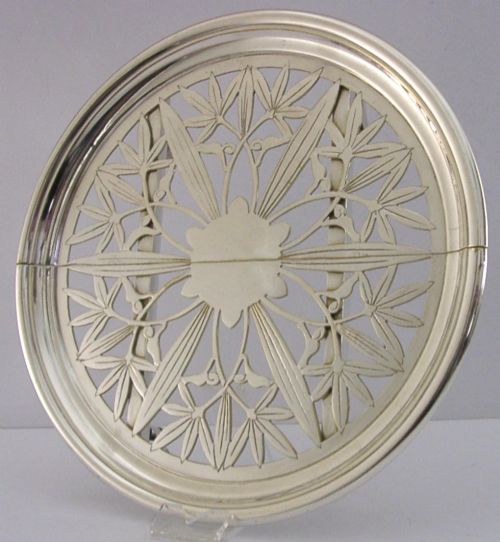
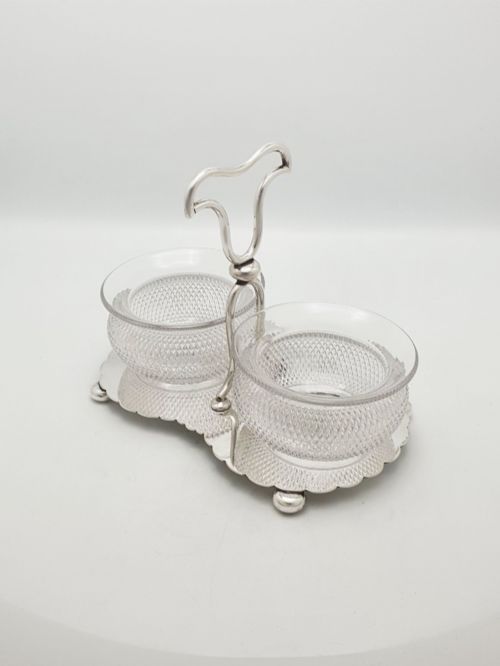
These silver plated dish stand items hold tableware securely above the dining surface, combining metal framework with glass inserts for elegant presentation.
Silver Plated Dish Stand
A silver plated dish stand brings together metal frameworks and removable vessels designed for dining and serving. When you search for a silver plated dish stand, you encounter varied forms intended for specific table uses.
Edwardian pieces dominate the selection alongside Victorian examples and later Art Deco designs. These objects take the shape of preserve dish frames, condiment holders, centrepieces, and warming stands.
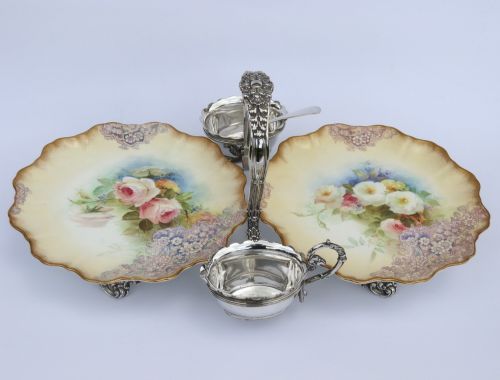
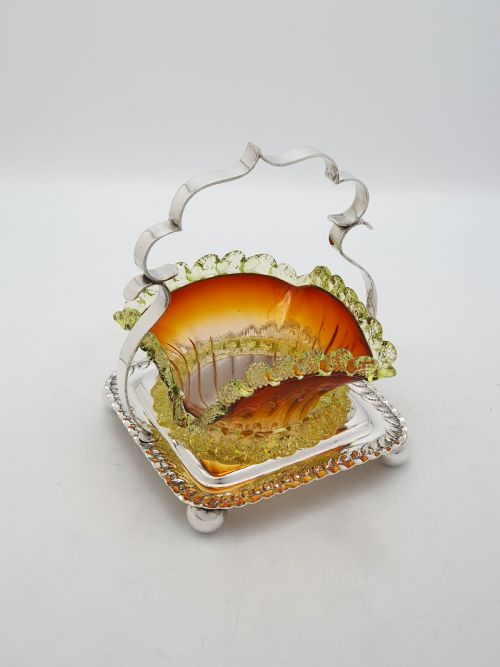
Earlier Georgian items and later 1920s extendable serving pieces appear alongside standard table stands. Glass bowls in cranberry, vaseline, amber, and cut crystal frequently accompany the metal mountings.
Materials and construction
Makers utilised electroplated nickel silver and standard silver plate over base metal to create durable mountings. This technique provided the appearance of solid silver while offering structural strength for holding heavy glass vessels.
The glass components were produced through blowing, cutting, and moulding. Cranberry, vaseline, and amber glass additions required specific mineral oxides during manufacturing to achieve their distinct translucent colours.
Several stands include integrated burners beneath the dishes to keep breakfast eggs warm for lingering Victorian mornings.
Quality factors
The thickness of the silver plating and the resilience of the underlying metal dictate longevity. Heavier frames maintain structural integrity better when supporting dense glass bowls or warming mechanisms.
The clarity, colour saturation, and cut detail of the associated glass elements separate standard items from finer works. Hand-painted ceramic additions and intact original glass inserts elevate the overall standard of the piece.
CHRISTOFLE·Walker and Hall·Doulton Burslem·Mappin and Webb·WMF·James Deakin·James Dixon and Sons·Elkington·Hukin and Heath
The Silver Plated Dish Stand Glossary
- Electroplated nickel silver
- A base metal alloy coated with a layer of silver through an electrical process. This method became standard for tableware production during the nineteenth century.
- Cranberry glass
- A rich pinkish-red glass produced by adding gold chloride to the molten mixture. It frequently appears in Victorian and Edwardian preserve stands.
- Vaseline glass
- A yellowish-green glass containing uranium dioxide, which glows under ultraviolet light. Makers paired it with silver plated frames during the Edwardian period.
- Entree dish
- A covered serving vessel designed to keep food warm at the table. These often sit within dedicated metal stands equipped with handles or burners.
Silver Plated Dish Stand: Frequently Asked Questions
What is a silver plated dish stand used for?
These stands hold dishes, bowls, and platters above the table surface for serving meals. They keep food warm, present preserves or condiments, and organise dessert courses.
Many designs incorporate glass inserts to display fruit, jams, or relishes during formal dining occasions.
How do I clean a silver plated dish stand?
Clean the metal components using a soft cloth and a dedicated silver polish formulated to protect plated surfaces. Avoid abrasive pads that wear away the thin silver layer.
Wash glass inserts separately in warm soapy water and dry them thoroughly before placing them back into the metal frame.
Are the glass bowls usually original?
Many pieces retain their original blown or cut glass inserts, particularly when shaped specifically for unusual frame contours. Cranberry, vaseline, and amber bowls were often custom-made for their specific stands.
Replacement glass bowls do occur due to breakages over the decades of use, so matching fits remain important.
How can I tell an Edwardian stand from a Victorian one?
Edwardian examples tend to feature lighter frames with influences from Art Nouveau floral motifs and simpler geometric lines. Cranberry and vaseline glass inserts are particularly common in this era.
Victorian pieces often display heavier cast ornamentation, elaborate engraving, and more substantial proportions suited to formal dining.