


Antique Silver Mirrored Stand
An antique silver mirrored stand brings reflection and polish to a table, combining silver or plated metal with plate glass.
Antique Silver Mirrored Stand
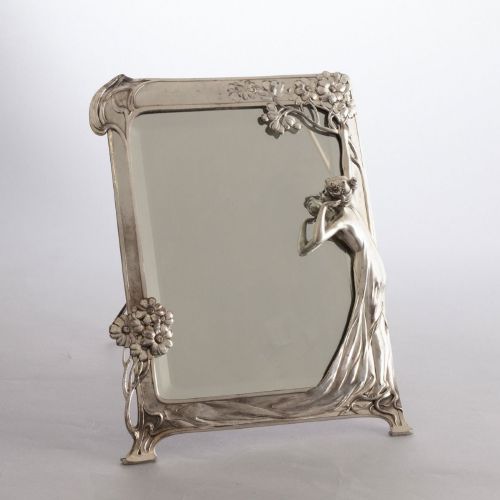
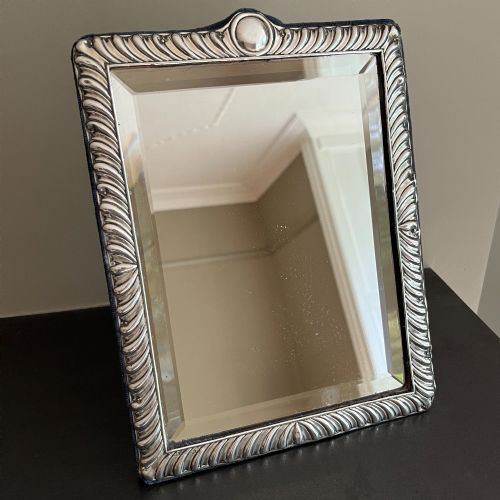
An antique silver mirrored stand encompasses table plateaux, cake stands, and vanity or dressing table mirrors. These items serve as decorative centrepieces or functional dressing accessories designed to reflect light and display objects.
The versions most commonly met on this page span the Victorian and Edwardian eras through to the Art Deco period. They appear in sterling silver, silver plate, pewter, and carved wood with silver or gilt finishes, fitted with original mirror glass.
How they were made
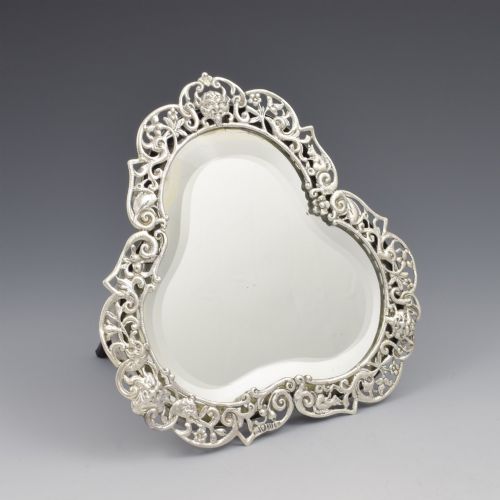
Makers utilised sterling silver, silver plate, or pewter for the structural frames, sometimes combining them with copper, wood, and gesso. Metalwork was cast, pierced, stamped, or plated to create decorative borders, handles, and easel backs.
The reflective surfaces rely on mirror glass, occasionally etched or bevelled, fitted securely into the metal or wooden bases. Many plateaux and stands incorporate internal wooden backing and velvet bases to protect surfaces and provide stability.
Listings feature items spanning the nineteenth century through the 1930s, incorporating materials such as silver plate, sterling silver, pewter, and gesso.
What varies in quality
Quality rests upon the crispness of the metalwork, whether pierced silver, cast pewter, or heavy silver plating. Finer examples display intricate detailing such as animal and bird motifs, or crisp floral engraving on the frame.
The condition and originality of the mirror glass significantly influence the piece. Stands retaining their original bevelled, etched, or clear mirror plates alongside original boxes or structural components represent the higher tier of craftsmanship.
WMF·Henry Matthews·Elkington
The Antique Silver Mirrored Stand Glossary
- Silver plate
- A layer of silver fused to a base metal such as copper or nickel silver. This technique offered the appearance of solid silver at a lower cost.
- Table plateau
- A flat mirrored stand placed in the centre of a dining table. They were traditionally used to display table silver, candelabra, or celebration cakes.
- Sterling silver
- An alloy containing a high proportion of pure silver by weight. It is hallmarked to denote its standard and quality.
- Gesso
- A plaster-based material applied to wood frames before gilding or silvering. It provides a smooth surface for detailed carving and moulding.
- Easel mirror
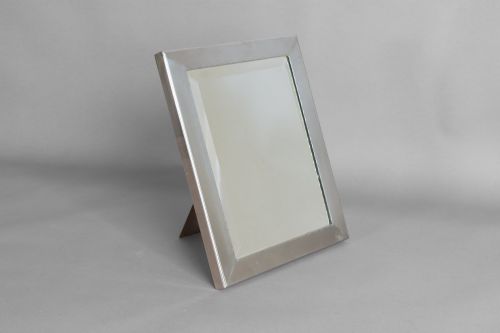
- A dressing table or vanity mirror supported by a hinged back leg. This allows the glass to stand upright at an adjustable angle.
Antique Silver Mirrored Stand: Frequently Asked Questions
What is a silver table plateau used for?
A silver table plateau acts as a reflective base for centrepieces such as candelabra, floral arrangements, or celebratory cakes. Placing reflective glass on the dining table enhanced the candlelight and gas lighting of formal rooms.
Over time, these stands transitioned from grand dining rooms to decorative display surfaces in domestic interiors. They continue to serve as elegant settings for table displays and seasonal decorations.
How do I clean an antique mirror glass?
Antique mirror glass requires gentle maintenance to preserve the silvering behind the plate. Use a soft, dry cloth for regular dusting and avoid harsh chemical cleaners that can seep behind the edges.
Care should be taken around the frame, particularly on silver plated, pewter, or gesso surfaces. Moisture should be kept away from the seams where the glass meets the frame to prevent further foxing.
How do I distinguish Victorian from Art Deco stands?
Victorian stands typically feature ornate decoration, floral motifs, pierced silver work, and heavier cast frames. The styling leans towards romanticism, historical revival, and elaborate craftsmanship.
Art Deco stands embrace geometric lines, streamlined forms, and French stylistic influences from the 1920s. The profiles become cleaner, often pairing plain mirrored glass with unadorned metal or wood.
Can these stands support heavy items?
Most table plateaux and cake stands are built with sturdy wooden or metal internal reinforcement to bear moderate weight. They were originally designed to hold silver service pieces or substantial celebration cakes.
When placing items on older stands, check the stability of the feet and the integrity of the base. Ensuring the weight is distributed evenly prevents strain on the frame and the glass.