







Silver Plated Coffee Server
These silver plated coffee server pieces span the eighteenth to the twentieth centuries, offering warmth and period character for daily hospitality.
Silver Plated Coffee Server
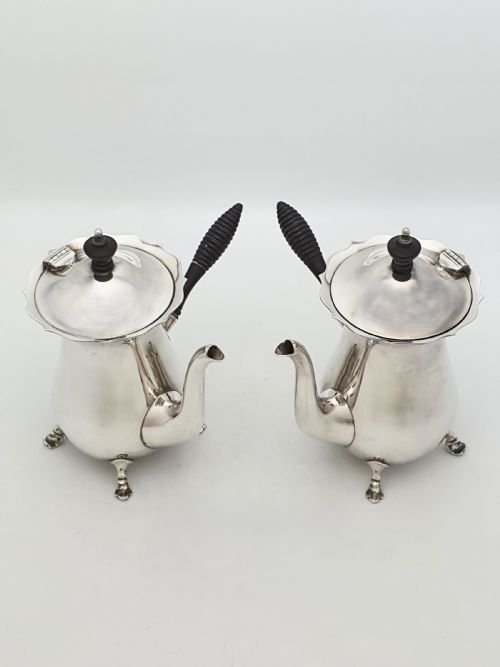
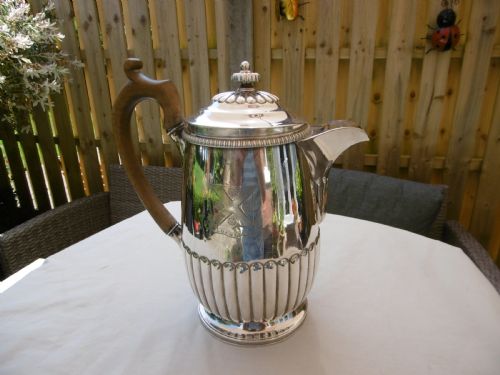
When you search for a silver plated coffee server, you encounter vessels designed for serving hot coffee, including standalone coffee pots, larger coffee jugs, and paired cafe au lait pots. The items listed on this page range across multiple historical periods, notably the Georgian, Regency, and Edwardian eras.
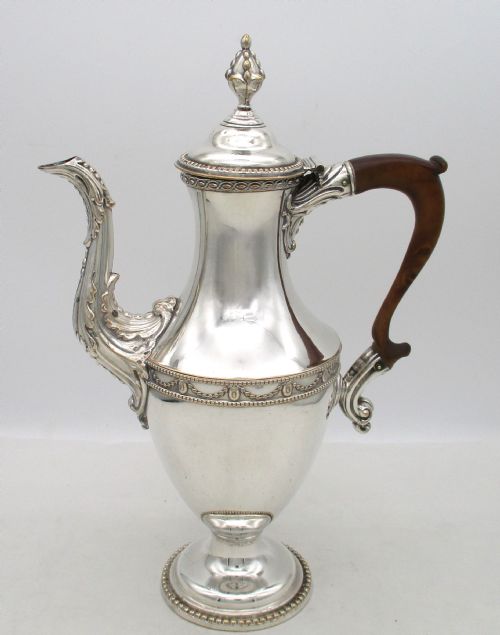
Most examples adopt traditional forms such as tall baluster bodies or symmetrical pots belonging to larger tea and coffee sets. English makers produced these vessels in silver plate and Old Sheffield plate, often incorporating wooden handles or insulators.
The styles shift from eighteenth-century simplicity through the ornate flourishes of Edwardian rococo revival to early twentieth-century designs. Collectors find both individual pots and matched multi-piece service sets across these listings.
Materials and construction
Makers utilised silver plate and Old Sheffield plate over base metals like copper, applying thin layers of silver to create the desired appearance. Old Sheffield plate involved fusing a silver sheet to a copper ingot before rolling and shaping.
Handles and insulators frequently incorporated organic or natural materials such as ebony, bone, or hardwood to protect hands from heat. Metal components were shaped into jugs, pitchers, and pots, occasionally complemented by applied crests or early maker marks.
Silver Plated Coffee Server Retail Price Guide 2026
Typical asking prices for silver plated coffee server among the pieces listed under this phrase on Sellingantiques today, from the lower quarter to the upper quarter. They describe what is for sale here now, not the wider market.
Some pots arrived with family crests attached, ready to pour tea while looking like they won a seventeenth-century argument.
Factors that distinguish quality
The standard of silver plating varies significantly across these vessels, with superior examples retaining an even silver layer over the copper base. Substantial weight and crispness in chased or engraved details indicate higher craftsmanship during production.
The integrity of insulating handles made from wood, bone, or ebony affects the overall condition and usability of each pot. Early marks and identifiable maker attributions also elevate the interest for serious collectors.
Matthew Boulton·Boardman Glossop And Co
The Silver Plated Coffee Server Glossary
- Old Sheffield plate
- An early method of fusing silver to a copper base before rolling into sheets. This technique produced distinct cross-sections where copper shows through wear.
- Cafe au lait pots
- Matched pairs of vessels designed for serving coffee and hot milk simultaneously. These often appear in Edwardian tea and coffee sets.
- Baluster
- A vase-like architectural form with a rounded lower portion tapering toward the top. Many eighteenth-century coffee pots utilise this graceful profile.
Silver Plated Coffee Server: Frequently Asked Questions
How do I clean a silver plated coffee server?
Clean these vessels gently using a soft cloth and a specialised silver polish formulated for plated items. Avoid abrasive pads that might wear through the thin silver layer to the underlying copper.
Wash the interior with warm soapy water and dry thoroughly after cleaning. Regular, careful maintenance preserves the original shine and protects any organic handle materials.
Can I still use these coffee servers daily?
Many collectors use these antique pots for serving hot beverages during special gatherings. Check the interior condition and handle stability before use to ensure safe handling of hot liquids.
Keep in mind that older silver plate requires hand washing rather than dishwasher cleaning. Treating these vessels with care prevents damage to the historic plating and wooden or bone insulators.
What is Old Sheffield plate?
Old Sheffield plate is an early form of plating created by fusing a thin sheet of silver to a copper ingot. Artisans then rolled the combined metals into sheets to craft hollowware.
This technique differs from later electroplating by showing subtle hints of copper where the outer silver layer has thinned over centuries of use.
How do I date a silver coffee pot?
Examine the overall silhouette, handle materials, and decorative style to determine the likely period of manufacture. Georgian pots often display simpler baluster forms, while Edwardian examples may show revivalist motifs.
Maker marks, crests, and manufacturing techniques such as Old Sheffield plating provide further clues for narrowing down the production decade.