

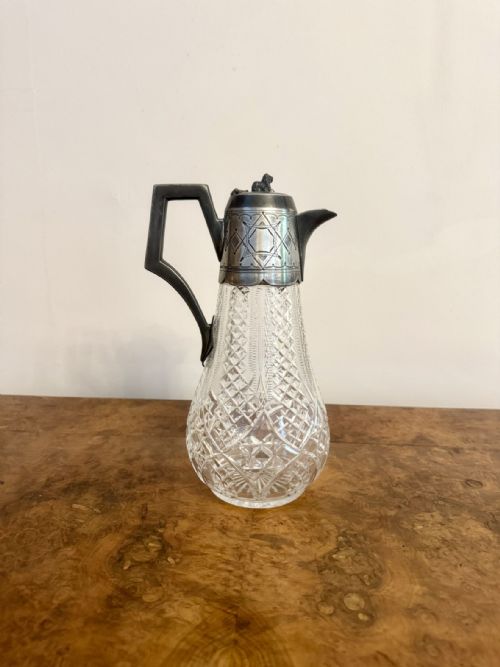
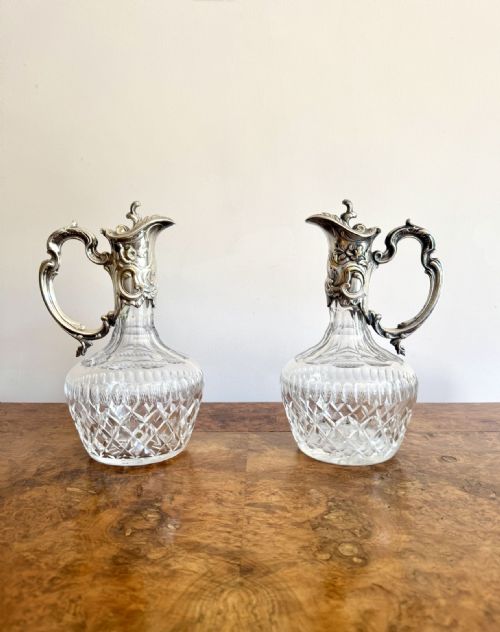


Silver Plated Claret Jug
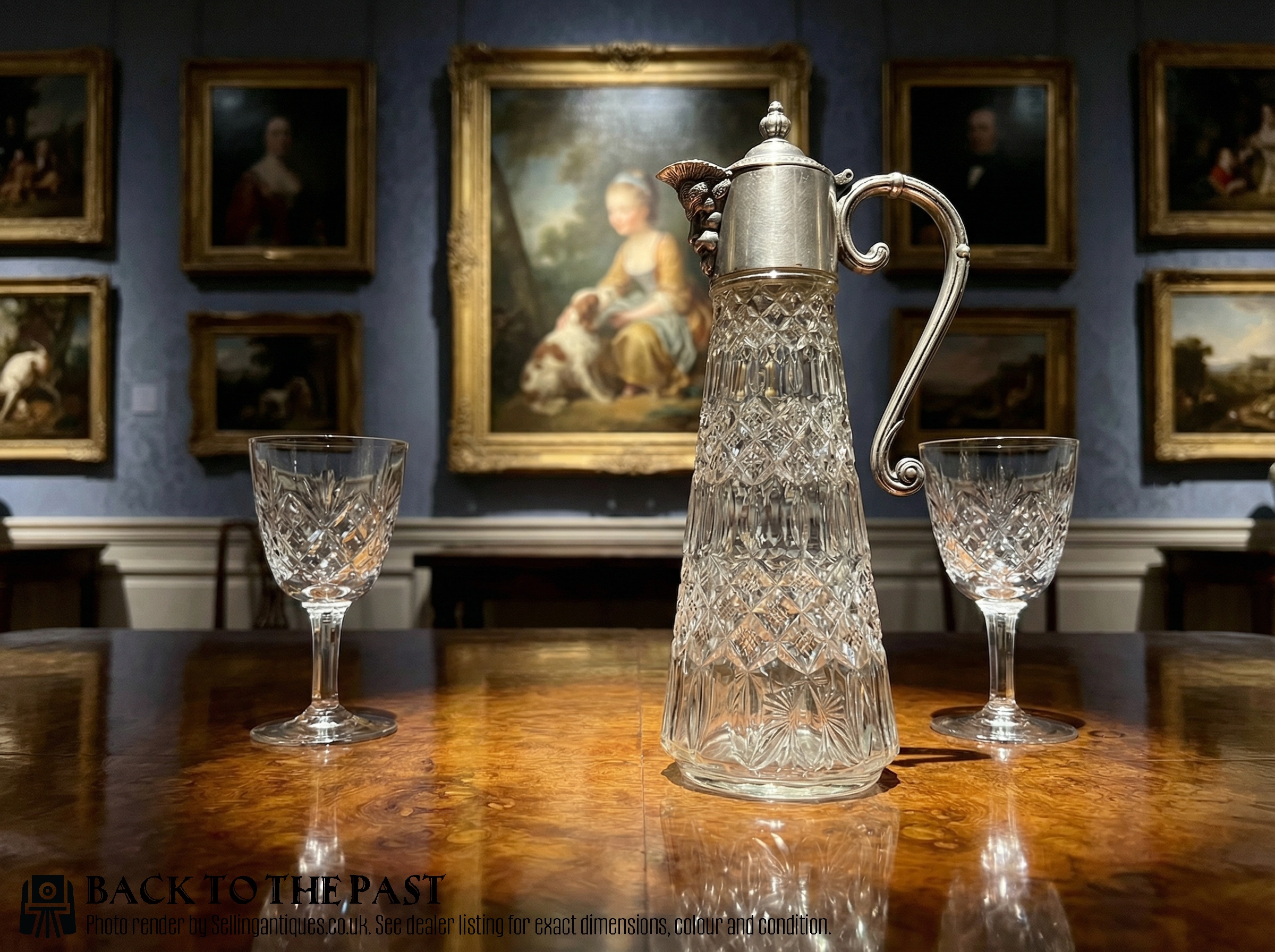
When you search for a silver plated claret jug, you are looking at nineteenth and early twentieth century dining vessels built to pour wine with elegance.
Silver Plated Claret Jug
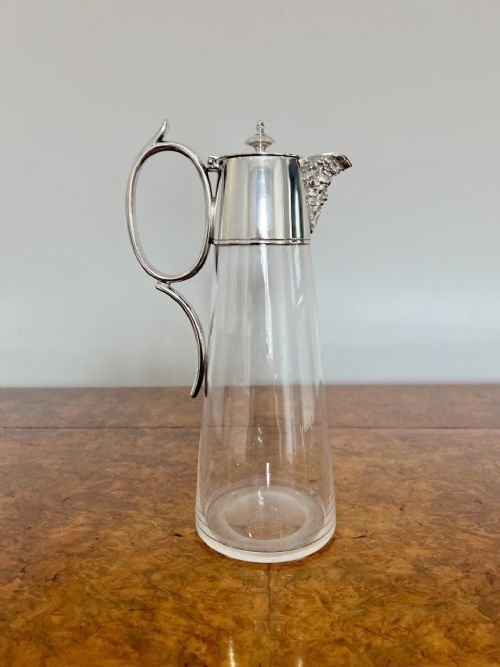
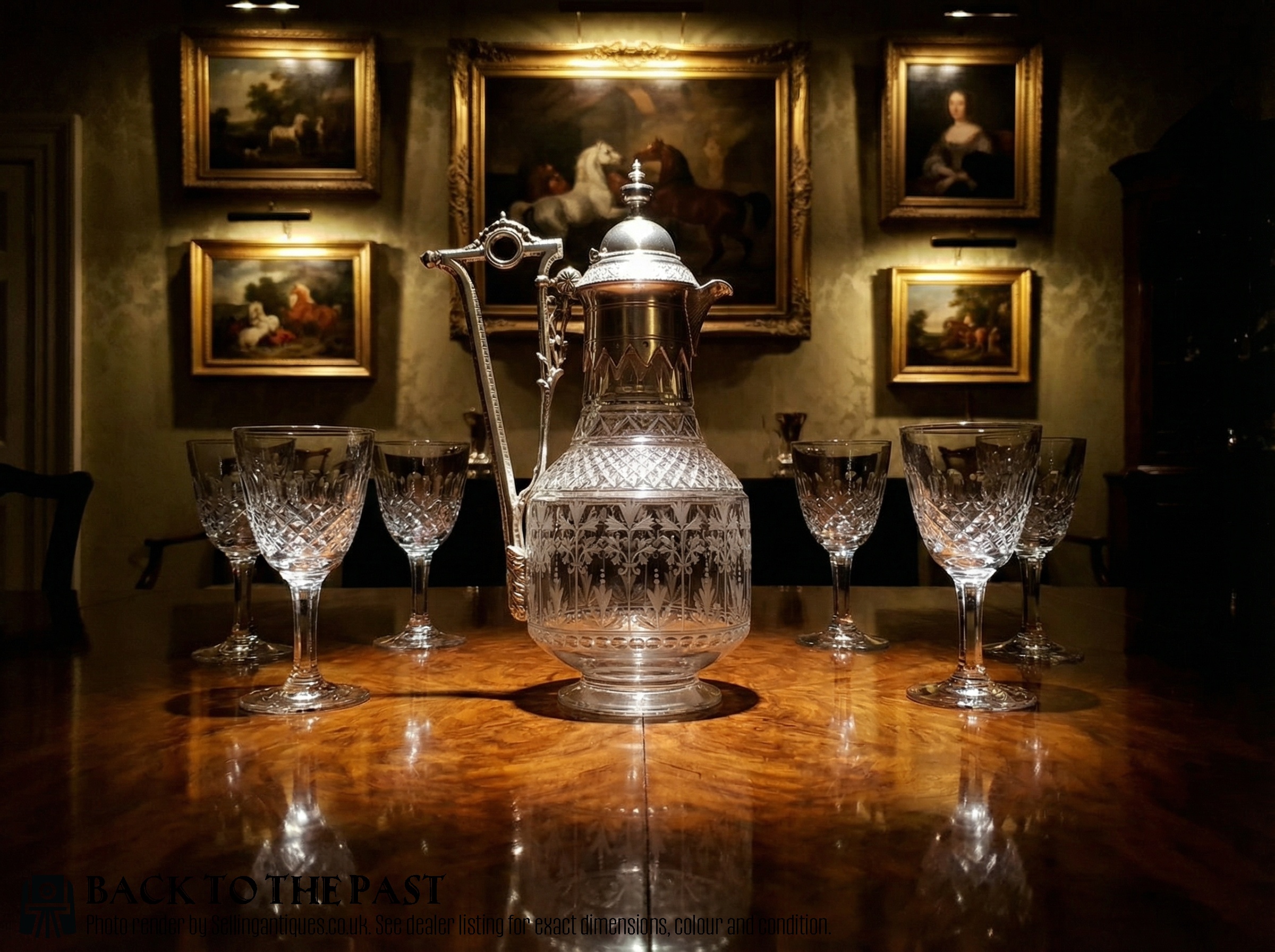
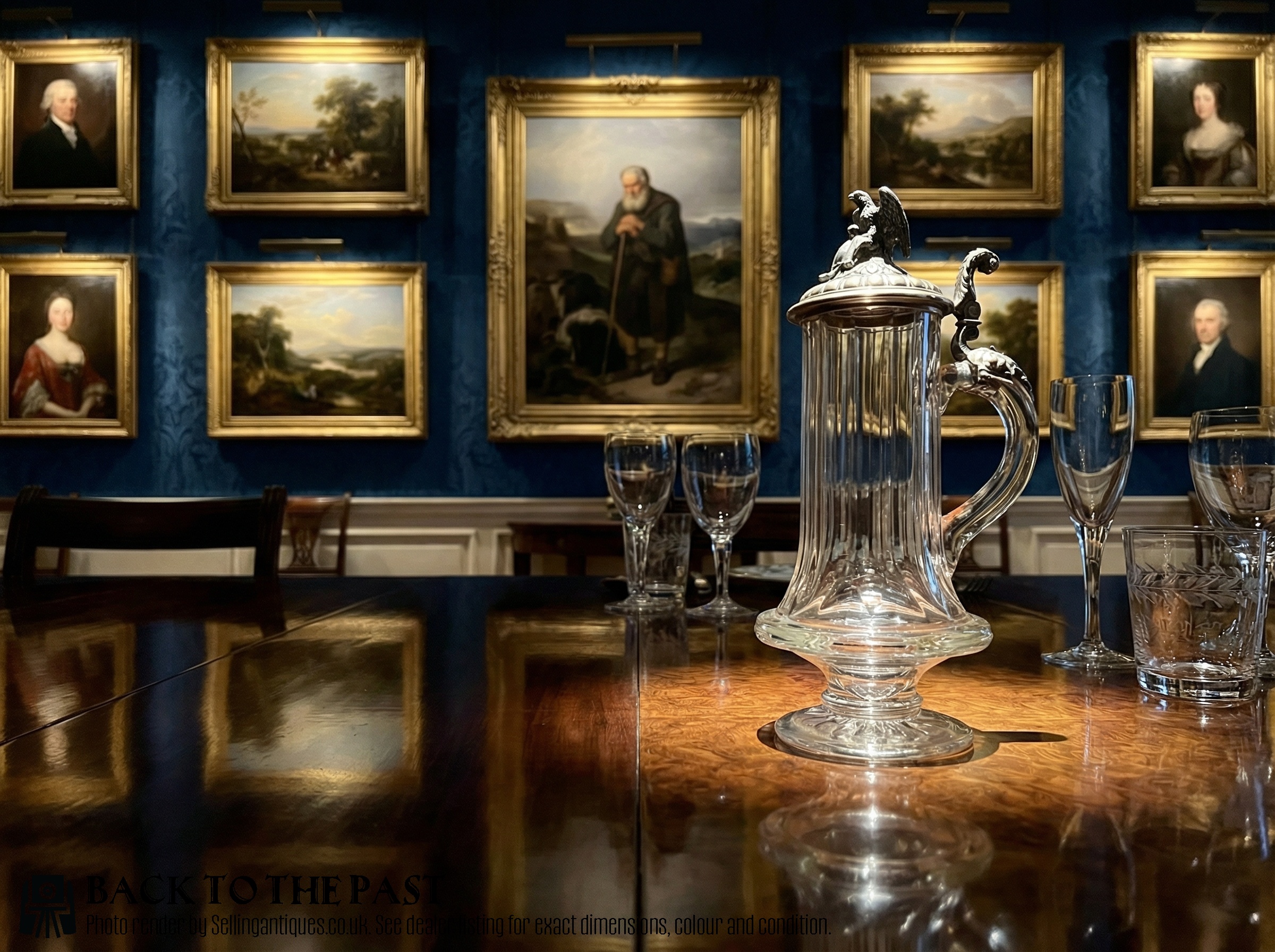
A silver plated claret jug combines a glass or crystal body with a metal mount, handle, hinged lid, and spout designed specifically for serving red wine at the formal dining table. These vessels emerged during the Victorian and Edwardian eras, spanning periods from the mid-nineteenth century through the early twentieth century.
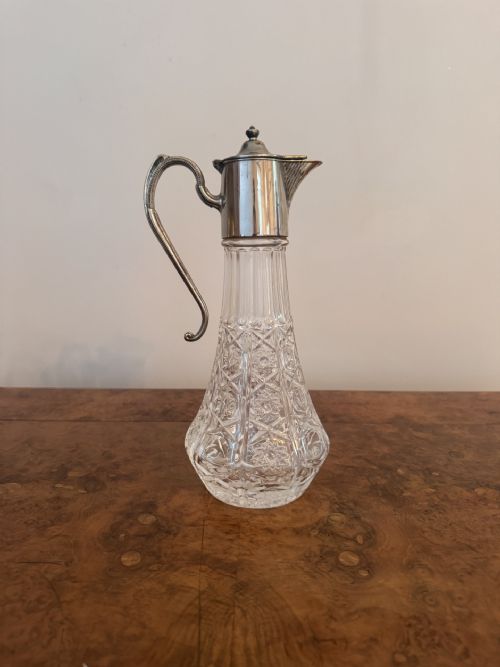
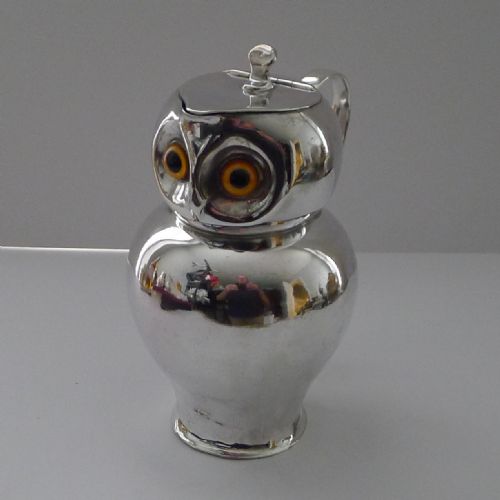
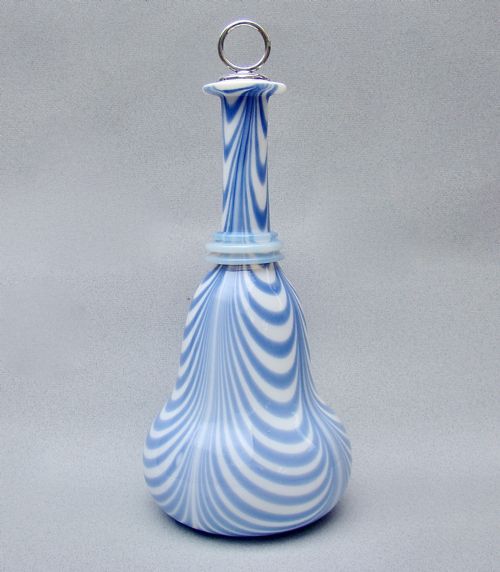
The most common examples on this page pair clear cut glass or crystal bodies with silver plated mounts, often reflecting Victorian and Edwardian domestic dining habits. Alongside standard tall jugs, you will encounter variations incorporating cranberry glass, etched floral motifs, and novelty designs shaped like animals.
Makers and designers produced these serving jugs in diverse aesthetic movements, ranging from classical revival styles and Aesthetic Movement ornamentation to geometric Art Nouveau and functional Arts and Crafts forms. While many function primarily as wine ewers, related forms on the market include lemonade jugs fitted with internal ice tubes and smaller cordial vessels.
How they were made
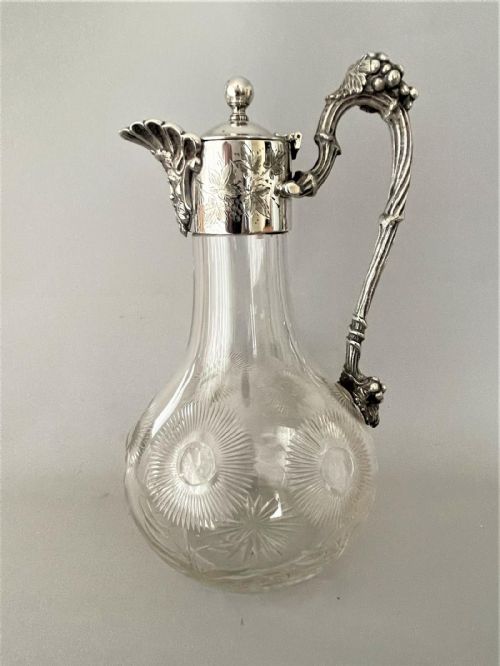
Makers combined heavy lead crystal or blown glass bodies with electroplated nickel silver or old Sheffield plate mounts. Glass bodies were frequently deep-cut with geometric facets, flutes, or wheel-engraved with botanical scrollwork to catch the candlelight.
Metal mounts, hinged covers, and handles were cast, stamped, or chased, then electroplated with a layer of silver. Specialised workshops employed techniques such as electrotyping to build up sculptural relief details like marine motifs or heraldic crests directly onto the metal framework.
Silver Plated Claret Jug Retail Price Guide 2026
Typical asking prices for silver plated claret jug among the pieces listed under this phrase on Sellingantiques today, from the lower quarter to the upper quarter. They describe what is for sale here now, not the wider market.
Listings feature Victorian, Edwardian, and nineteenth-century periods, combining silver plate, cranberry glass, cut crystal, and etched glass forms.
What varies in quality
Quality rests in the weight and clarity of the glass body, the crispness of the wheel-cut or etched detailing, and the substantial gauge of the underlying metal mount. Superior pieces display thick, resonant crystal paired with heavy mounts that retain their original silver plating without thinning.
Design ambition and maker attribution dictate the upper tier of the market. Leading manufacturers and modernist designers produced inventive, structural handles and hinged lids that elevate standard tableware into sculptural works of functional art.
Henry Bourne·Mappin & Webb·Elkington & Co·Hukin & Heath·John Northwood·James Dixon & Sons
The Silver Plated Claret Jug Glossary
- Silver Plate
- A base metal, typically nickel silver or Britannia metal, coated with a thin layer of pure silver through chemical or electrochemical deposition. This process allowed Victorian manufacturers to produce opulent tableware at a fraction of the cost of solid sterling silver.
- Old Sheffield Plate
- An earlier fused plating technique where a sheet of silver was fused to a thicker copper core by heat and pressure before rolling. Items made this way often reveal faint traces of copper showing through along high wear points and edges.
- Claret Jug
- A specialised pouring vessel created to serve red wine, featuring a handle, hinged thumbpiece lid, and a pouring spout. They became essential dining accessories during the nineteenth century as hosts moved away from serving wine directly from opaque bottles.
- Electrotype
- A metal object produced by electrodepositing silver or copper into a mould until a thick shell formed. This nineteenth-century technique enabled the creation of highly detailed sculptural reliefs and figural mounts.
- Cranberry Glass
- A transparent red or pink glass coloured by the addition of gold chloride into the molten batch. It gained immense popularity during the Victorian period for decorative decanters, jugs, and glassware.
Silver Plated Claret Jug: Frequently Asked Questions
What is a silver plated claret jug used for?
These vessels were designed to hold and pour red wine, specifically claret, at the dining table during the Victorian and Edwardian periods. Hosts used them to aerate the wine and present it gracefully away from the original shipping bottles.
Today, they function as decorative dining accessories, wine decanters for modern dinners, or display pieces for collectors of nineteenth-century metalwork and glassware.
How do I date a silver plated claret jug?
Dating relies on stylistic clues, manufacturing techniques, and any registration marks or maker stamps stamped onto the metal mounts. Victorian pieces often feature heavy ornamentation, classical revival motifs, or deep-cut crystal, while Edwardian examples lean towards lighter frames or clean Art Nouveau lines.
Makers such as Elkington or Hukin & Heath used specific date ciphers and registration numbers on their silver-plated wares. Examining the construction of the hinge and the depth of the glass cutting also helps narrow the decade of production.
What is the difference between crystal and glass bodies?
Glass is a generic term for silica-based vessels, whereas crystal contains a percentage of lead oxide that increases the weight, refractive index, and acoustic resonance of the material. In nineteenth-century tableware, lead crystal allowed artisans to cut deeper, sharper facets that sparkled brightly under gaslight and candlelight.
Claret jugs with crystal bodies feel noticeably heavier in the hand and produce a clear, ringing tone when gently tapped. Standard glass versions remain smooth, lighter in weight, and often feature etched or enamelled decoration rather than deep geometric cutting.
How should I clean and care for a silver plated jug?
Maintenance requires gentle washing with warm soapy water and a soft cloth to protect both the delicate glass and the thin layer of silver plate. Harsh abrasive dips or vigorous scrubbing can strip the plating away from the underlying base metal, especially on older pieces.
Store the jug in a dry environment away from direct sunlight, and use a specialised non-abrasive silver polish sparingly only when tarnish obscures the decorative relief work. Leaving the lid slightly open during storage prevents moisture accumulation inside the glass body.