




Silver Plate Wine Carafe
These silver plate wine carafe examples combine cut glass vessels with metal mounts, offering period dining elegance for modern tables.
Silver Plate Wine Carafe
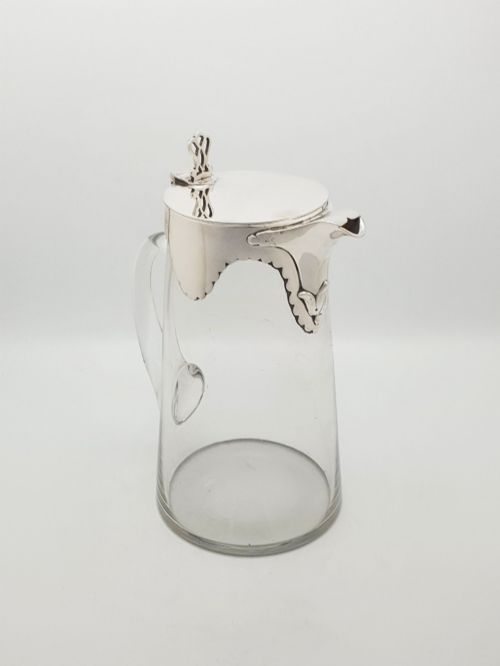
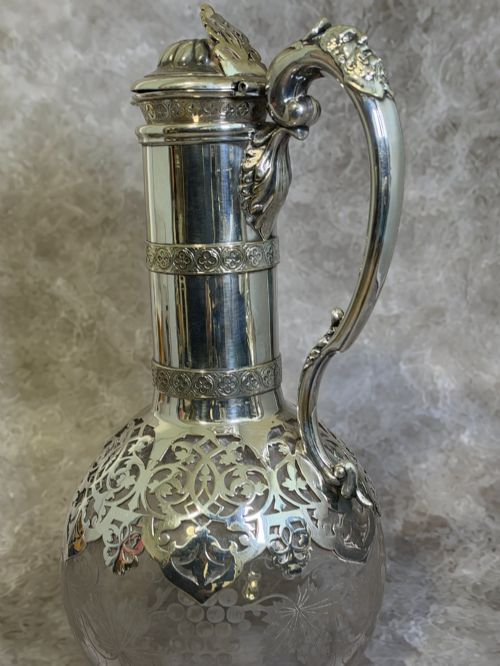
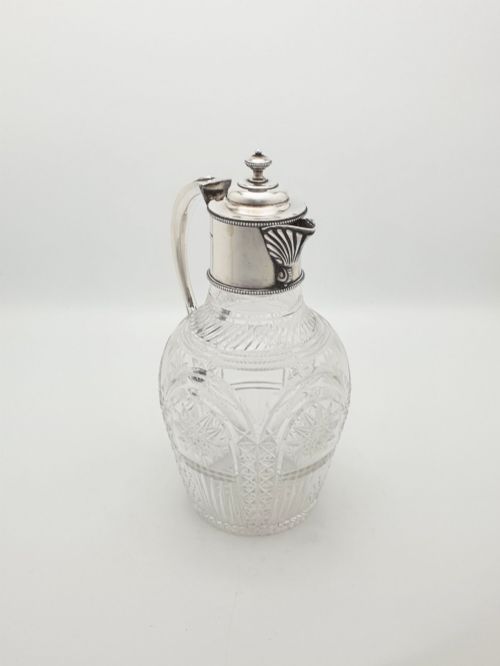
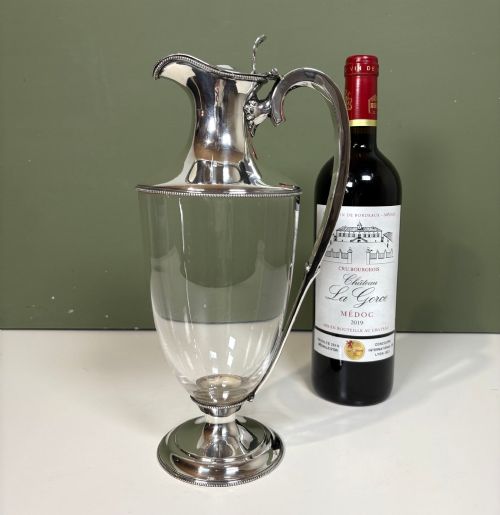
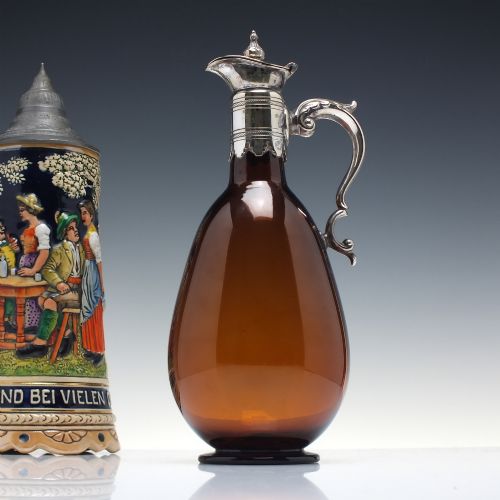
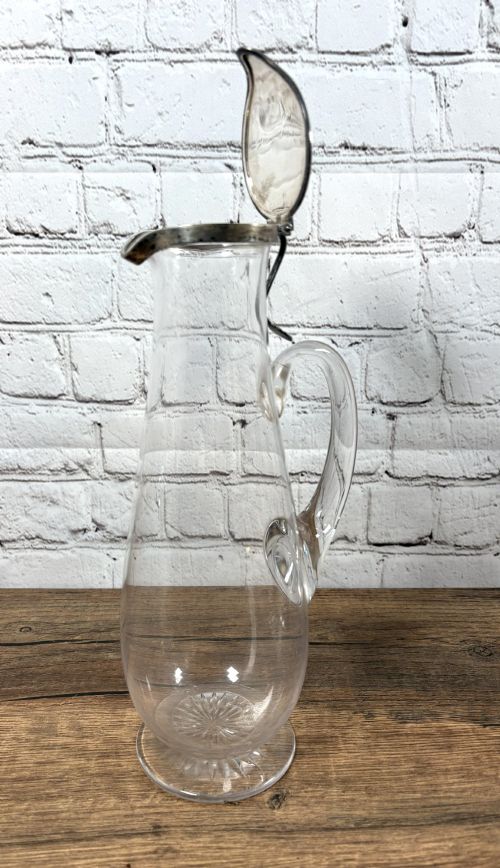
A silver plate wine carafe typically manifests as a claret jug or table decanter originating from the Victorian or Edwardian eras. These vessels served wine at nineteenth and early twentieth-century dining tables, combining functional pouring with decorative display.
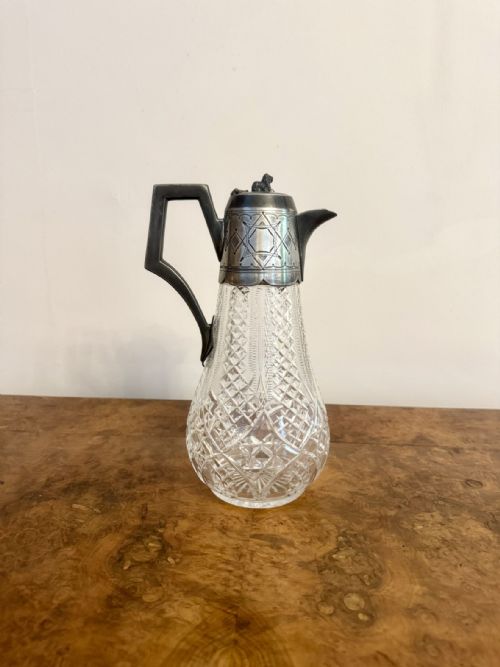
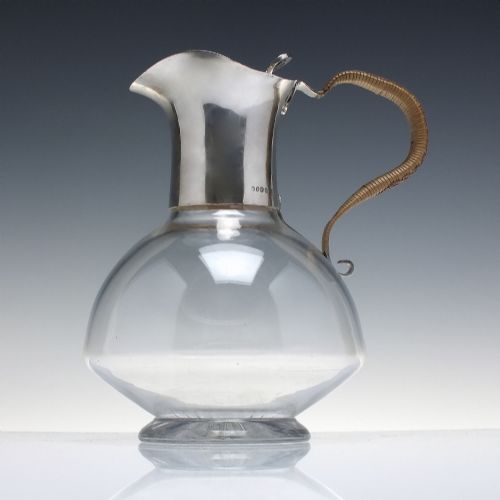
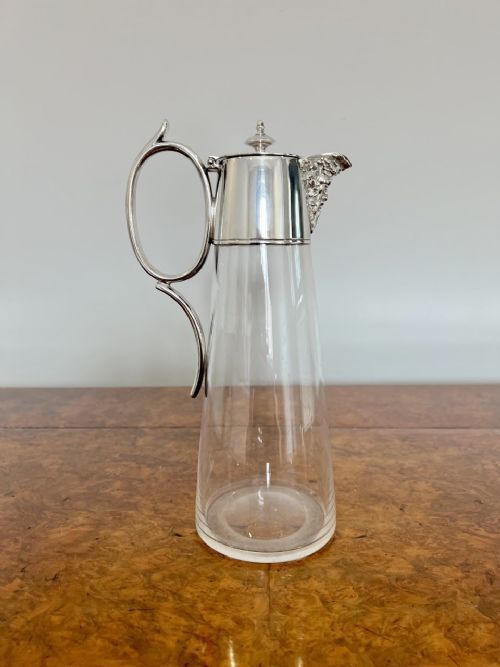
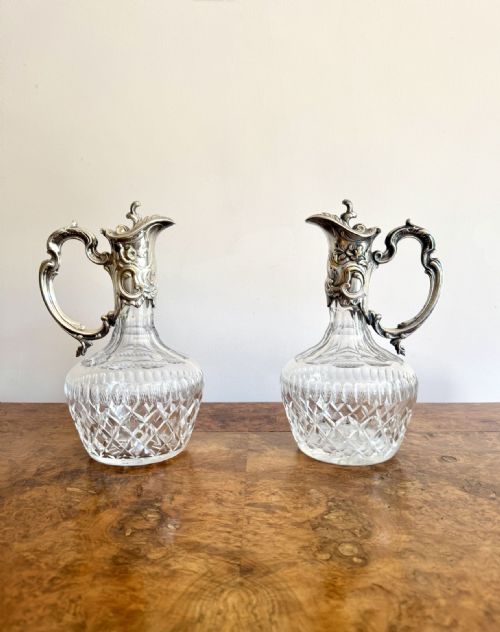
The prevailing form on this page pairs a glass body with silver-plated mounts, hinges, and handles. Examples range from straightforward nineteenth-century decanters to elaborately styled vessels bearing the aesthetic hallmarks of the Arts and Crafts and Art Nouveau movements.
How They Were Made
Glass bodies were produced through blowing, cutting, or etching, utilising clear glass, crystal, amber glass, and cranberry glass. Mounts, handles, and hinged lids were formed from silver plate or Old Sheffield Plate, securing firmly to the glass necks.
Silversmiths and metalworkers shaped the plated mounts through casting and stamping, incorporating styles that reflected Victorian Rococo Revival, Aesthetic Movement, and later design influences.
Silver Plate Wine Carafe Retail Price Guide 2026
Typical asking prices for silver plate wine carafe among the pieces listed under this phrase on Sellingantiques today, from the lower quarter to the upper quarter. They describe what is for sale here now, not the wider market.
Design styles span Art Nouveau, Arts and Crafts, Aesthetic Movement, and Victorian Rococo Revival.
What Varies in Quality
Quality rests upon the crispness of the glass cutting, the weight of the metal mounts, and the integration between glass and silver plate. Maker attribution also plays a role, with documented pieces from notable workshops commanding greater interest.
Design ambition separates standard vessels from exceptional ones. Articulated spouts, novel forms, and distinctive period styles such as Art Nouveau or Arts and Crafts demonstrate superior craftsmanship.
Mappin & Hall & Co.·Hukin & Heath·Elkington·Dr Christopher Dresser·Rupert Favell & Co.
The Silver Plate Wine Carafe Glossary
- Silver plate
- A base metal coated with a thin layer of silver. This technique provided the appearance of solid silver at a lower cost during the nineteenth century.
- EPNS
- Electroplated Nickel Silver, a common base material for silver-plated items produced from the mid-nineteenth century onward.
- Old Sheffield plate
- An earlier method of fusing a thin sheet of silver to a copper base prior to the introduction of electroplating.
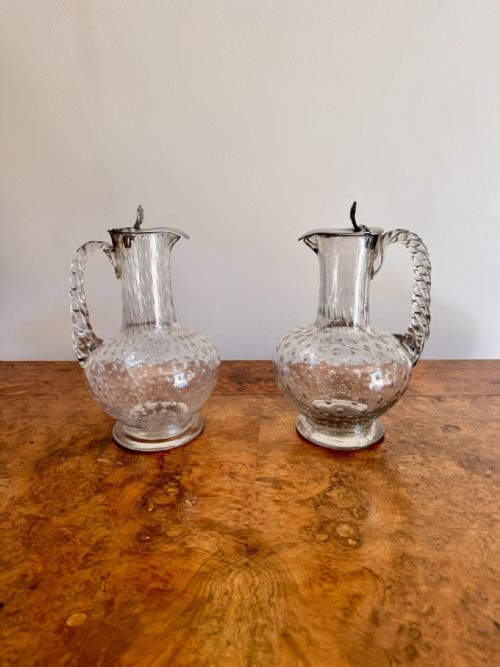
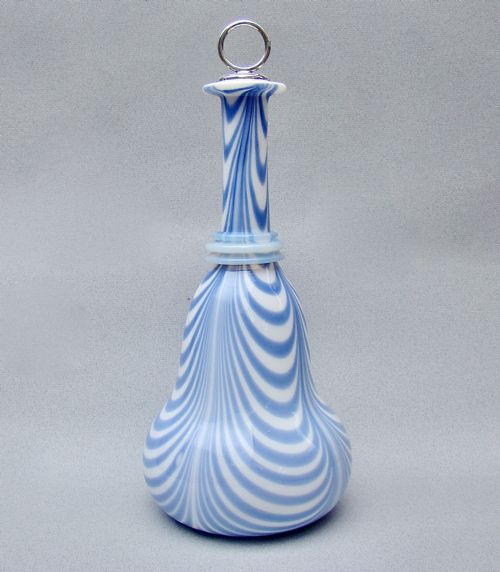
- Nailsea glass
- Glassware characterised by distinctive looped or patterned coloured glass trails, produced originally in Somerset.
Silver Plate Wine Carafe: Frequently Asked Questions
How do I clean my silver plate wine carafe?
Wash the glass body gently in warm soapy water using a bottle brush, avoiding harsh abrasives on the interior. Use a specialised silver cloth on the plated mounts, taking care to keep moisture away from any historic cement or seals.
Allow the vessel to dry completely before storing. Regular, gentle polishing maintains the shine of the metal without wearing away the silver layer.
Can I use these carafes for serving wine today?
Many examples remain entirely functional for serving wine or water at the table. Inspect the interior and the mount attachments to ensure the vessel is clean and structurally sound before use.
Hand washing is essential for antique pieces, as dishwasher heat and harsh detergents damage both the silver plate and the historic glass.
How do I date a silver plate wine carafe?
Dating relies on a combination of stylistic clues, glass manufacture techniques, and maker marks stamped on the metal mounts. Victorian pieces often display heavier Rococo Revival or Aesthetic Movement ornamentation, while Edwardian examples lean toward lighter forms.
Maker marks and registration numbers found on the silver plate provide further clues, often narrowing down the decade of production.
What is the difference between a claret jug and a decanter?
Claret jugs specifically feature a handle and a hinged lid with a spout, designed for pouring claret at the table. Decanters often take the form of stoppered bottles intended for storing and decanting various spirits and wines.
Both forms appear frequently among nineteenth-century dining silver, serving complementary roles in formal table service.