





Silver Plate Glass Dish
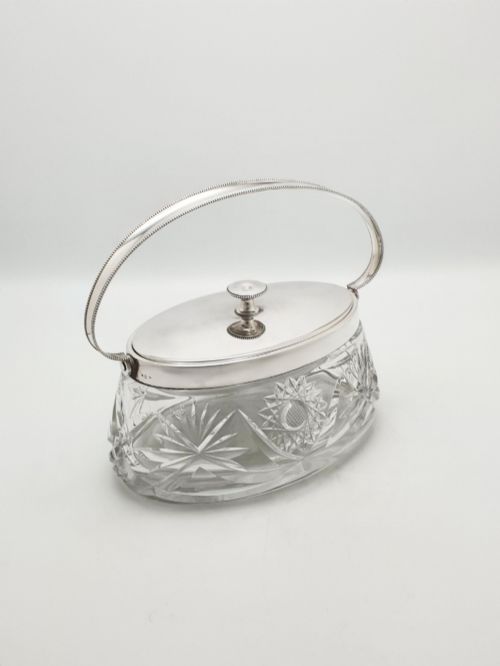
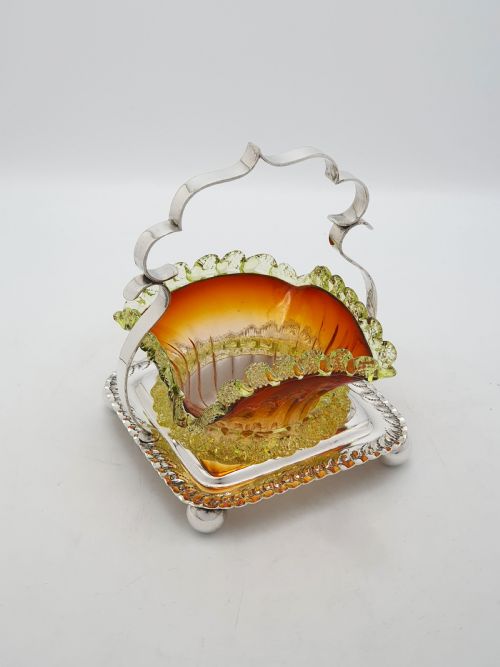
A silver plate glass dish combines bright metal frames with colourful or clear liners to serve butter, jam, or appetisers.
Silver Plate Glass Dish
A silver plate glass dish encompasses tablewares designed for butter, preserves, condiments, and small sweets across the Victorian, Edwardian, and Art Deco periods.
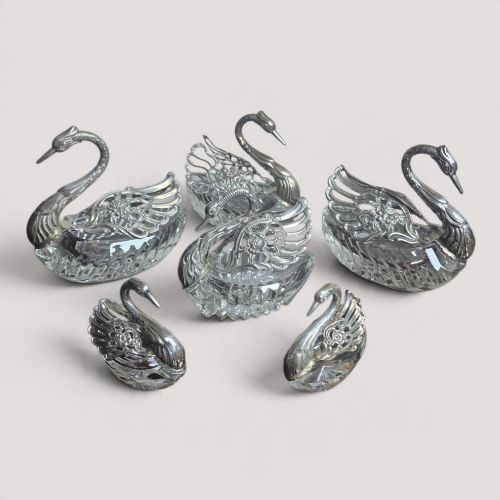
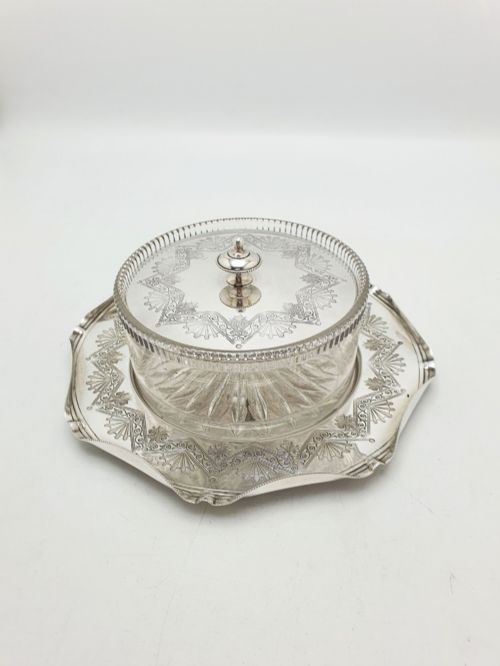
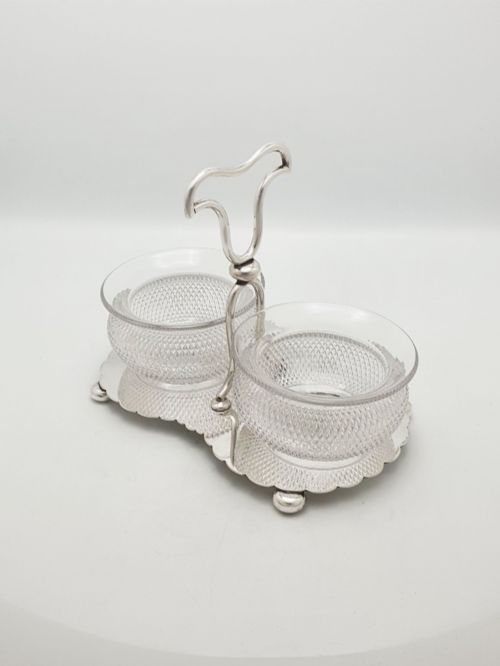
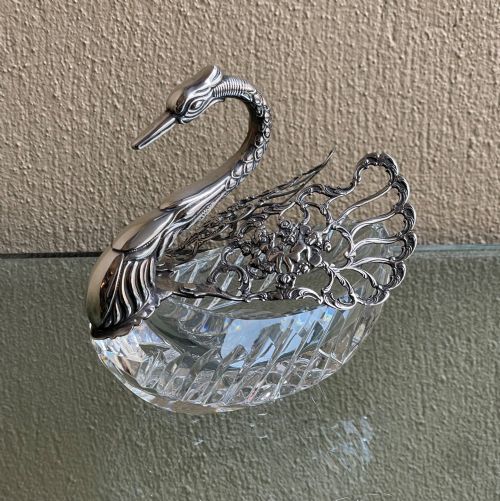
The objects combine a plated metal mount, frame, or stand with a removable vessel of glass, frequently appearing as butter dishes, jam pots, baskets, and hors d'oeuvres sets.
Makers utilised diverse glass hues alongside clear crystal, resulting in green vaseline, pink opaline, cobalt, amber, and rich ruby bowls cradled within pierced or cast silver-plated surrounds.
Materials and Techniques
Silversmiths formed the metal frames through casting, piercing, and electroplating silver onto base metals, creating decorative mounts, swinging handles, and supportive pedestals.
Glassmakers shaped liners by blowing, pressing, or cutting clear and coloured crystal, often adding starburst motifs, fluted edges, or textured surfaces to catch the light.
Silver Plate Glass Dish Retail Price Guide 2026
Typical asking prices for silver plate glass dish among the pieces listed under this phrase on Sellingantiques today, from the lower quarter to the upper quarter. They describe what is for sale here now, not the wider market.
Victorian designers placed butter beneath sculpted cows, rolling domes, and nautical boat hulls.
Distinctions in Manufacture
Superior examples display crisp casting detail in the metal mounts alongside heavy, clear glass liners that fit their frames precisely without wobble.
The integration of unusual coloured glass types, such as vibrant cranberry or glowing vaseline, coupled with maker marks from established silversmiths, separates standard serving items from finer pieces.
WMF·Elkington·Martin Hall·Walker and Hall·Thomas Prime·William Hutton and Sons
The Silver Plate Glass Dish Glossary
- Silver Plate
- A thin layer of silver bonded to a base metal armature. This technique allowed manufacturers to produce ornate domestic wares at a fraction of the cost of solid silver.
- Vaseline Glass
- Glass containing uranium dioxide that exhibits a characteristic greenish-yellow colour and glows under ultraviolet light. It appears frequently in late nineteenth-century decorative bowls and stands.
- Cranberry Glass
- A rich pinkish-red glass created by adding gold chloride to the molten batch. It gained popularity during the Victorian era for preserve pots and bonbon dishes.
- Taza
- An elevated shallow dish or bowl supported on a single central stem and foot. These pieces often serve as centrepieces or fruit stands on dining tables.
- Butter Dish
- A specialised lidded vessel designed to keep butter cool and protected at the table. Many Victorian versions incorporate internal draining liners and revolving or dome covers.
Silver Plate Glass Dish: Frequently Asked Questions
How were glass and silver plate dishes used?
These pieces served practical dining functions, holding butter, jam, caviar, and condiments on the Victorian and Edwardian table. The removable glass liners allowed for easy cleaning after meals.
Many designs included specialised accessories such as small glass butter knives, pierced silver spoons, and fitted forks. They functioned as both functional tableware and decorative centrepieces during formal meals.
How do I clean silver plate and glass?
Wash the glass liners in warm soapy water using a soft cloth, avoiding abrasive pads that might scratch coloured or cut surfaces. Dry them thoroughly before placing them back into the metal mounts.
Clean the silver-plated frames with a mild, non-abrasive silver polish applied gently with a soft cloth. Take care to prevent polish from lodging in crevices or coming into contact with the glass liners.
How can I tell the period of a dish?
Examine the overall design style, as aesthetic cues often reveal the era of manufacture. Heavy cast ornamentation and floral motifs usually point to the Victorian period, while geometric lines indicate Art Deco pieces.
Look for maker marks, registration numbers, or retailer stamps stamped onto the base of the silver plate. These marks frequently provide clues to the decade of production.