

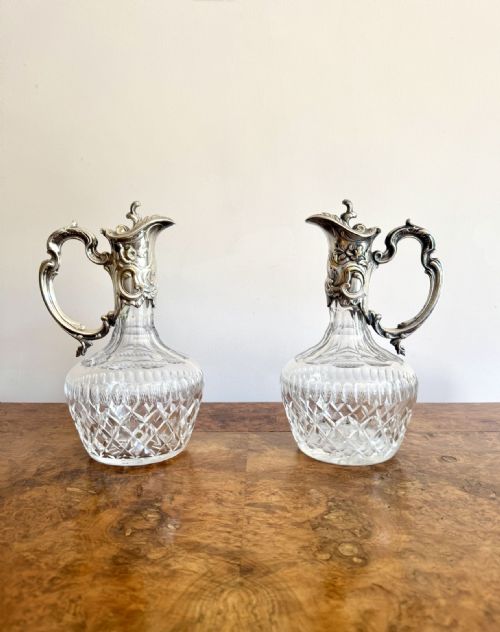


Silver Plate Claret Pitcher
A silver plate claret pitcher is a serving vessel for wine, combining glass and metal mounts to serve the table.
Silver Plate Claret Pitcher
A silver plate claret pitcher brings together decorative metal mounts and glass bodies designed for serving wine at the dining table. These serving pieces span the Victorian and Edwardian eras, alongside related nineteenth century and early twentieth century examples.
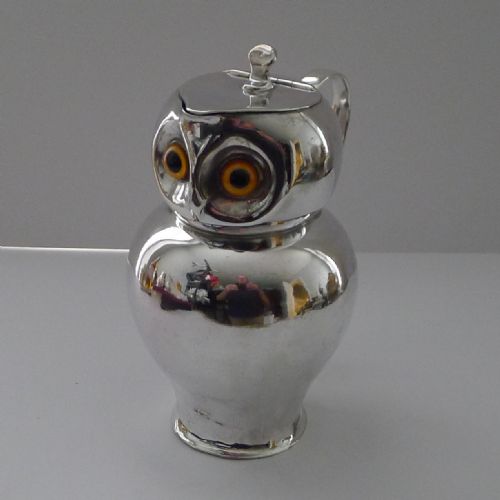
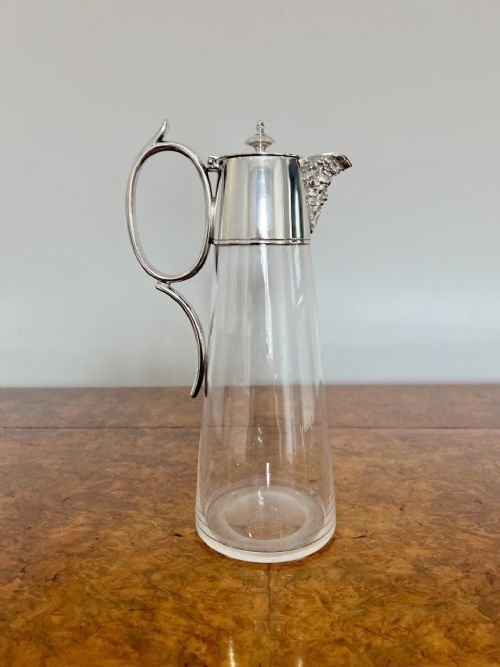
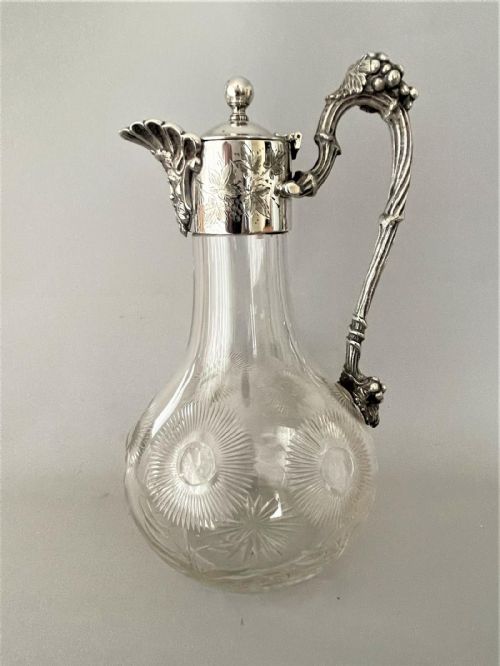
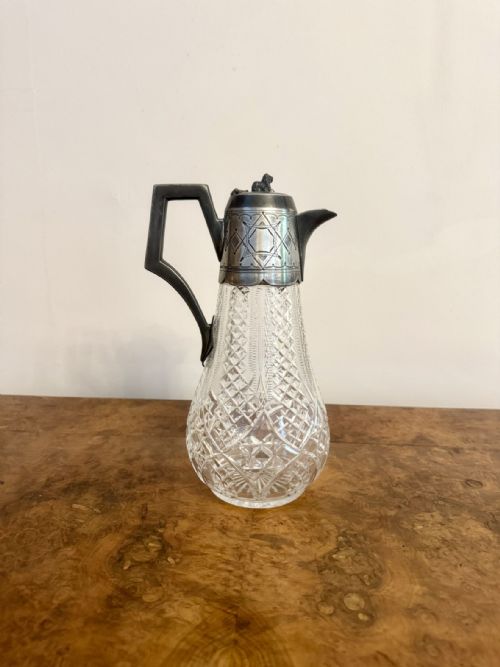
The forms range from traditional cut glass cylinders to novelty designs and figural vessels. Makers utilised various glass types, including clear crystal, cut glass, etched patterns and coloured cranberry glass.
Collectors encounter styles influenced by the Arts and Crafts movement, Art Nouveau, and classical revival periods. The mounts typically combine silver plating with pewter or other base metals to secure handles, hinged lids, and spouts.
How they were made
Silversmiths formed the mounts using silver plating techniques over base metals, often employing electrotyping for detailed relief work. Handles and hinged lids were cast or stamped separately before being soldered to the collar rings.
The glass bodies were produced through blowing and moulding, then finished with hand-cut facets or acid etching. Artisans fitted the glass securely into the metal collars using cork or rubber gaskets beneath the silver plated mounts.
Listings feature vessels spanning the nineteenth century through the mid-twentieth century, incorporating cut crystal, etched glass, and cranberry glass.
What varies in quality
The distinction between standard production and top-tier pieces rests on the weight of the metal, the crispness of the chased or engraved detail on the mounts, and the depth of the glass cutting. Well-known makers contributed superior weight and balance to their vessels, alongside registered designs that involved inventive mechanisms for lids and ice tubes.
Glass quality shows in the absence of cloudiness and the precision of hand-cut flutes or etched motifs. The structural integration between the heavy glass body and the silver plated collar determines the overall durability and handling of the pitcher.
Henry Bourne·Mappin & Webb·Elkington & Co·Hukin & Heath·Dr Christopher Dresser·Valenti·WMF
The Silver Plate Claret Pitcher Glossary
- Silver Plate
- A layer of silver bonded to a base metal core such as copper or Britannia metal. This technique provided the visual appeal of solid silver at a lower cost for domestic dining wares.
- Claret Jug
- A specialised pouring vessel specifically intended for serving red wine. These containers typically feature a hinged lid operated by a thumbpiece on the handle.
- Cranberry Glass
- A rich red glass coloured with gold chloride during the melting process. This material gained popularity in nineteenth century glassware for decorative jugs and decanters.
- Electrotype
- A metal object produced by electrodepositing silver onto a mould. This method allowed manufacturers to create high-relief sculptural decorations on wine jugs and beakers.
- Old Sheffield Plate
- An early fusing method where a sheet of silver was mechanically fused to a copper ingot before rolling. This predates nineteenth century electroplating.
Silver Plate Claret Pitcher: Frequently Asked Questions
How do I date a claret pitcher?
Dating relies upon stylistic markers such as Victorian classical motifs, Edwardian proportions, or Art Nouveau whiplash lines. Maker marks and registration numbers stamped on the silver plate mounts also help narrow the production period.
Changes in manufacturing techniques, moving from Old Sheffield Plate to nineteenth century electroplating, provide further chronological clues.
Were these pitchers used only for claret?
While designed primarily for serving red claret at the dining table, many vessels served water, lemonade, or mixed drinks. Some larger examples incorporated internal ice tubes to keep beverages chilled during long meals.
Similar forms functioned as spirit ewers and dessert wine jugs depending on the host's requirements.
How should I clean a silver plated mount?
Cleaning requires a soft cloth and a gentle silver polish formulated specifically for plated items. Care must be taken to avoid abrasive pads that can wear through the thin silver layer down to the base metal.
Keep polishes away from the glass body and any internal gaskets to prevent chemical residue buildup.
What is the difference between a claret jug and a decanter?
A claret jug incorporates an attached handle, a hinged lid with a thumbpiece, and a pouring spout for immediate table service. Decanters generally rely on a stopper and lack the hinged mechanical lid found on pitchers.
Pitchers often combine glass bodies with prominent metal collars and mounts.