
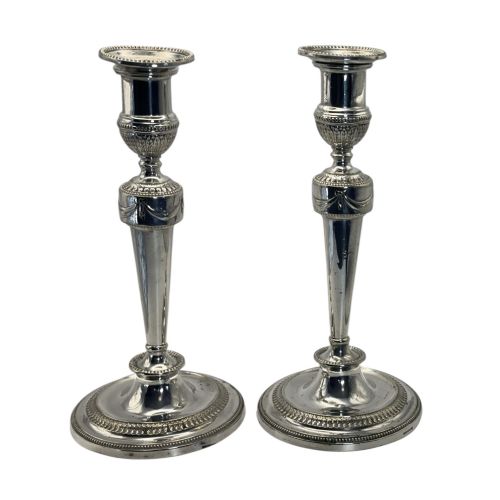
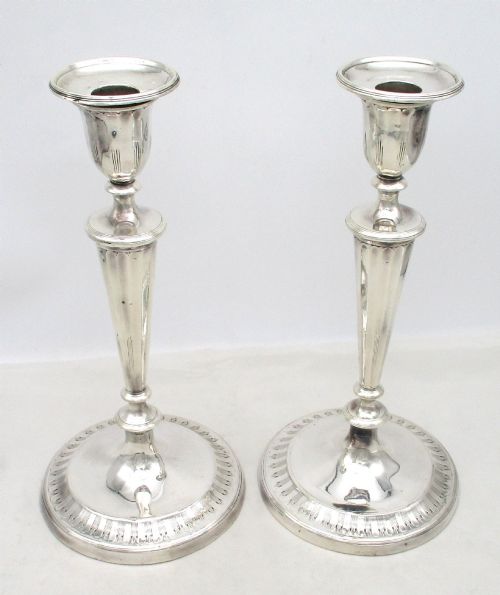
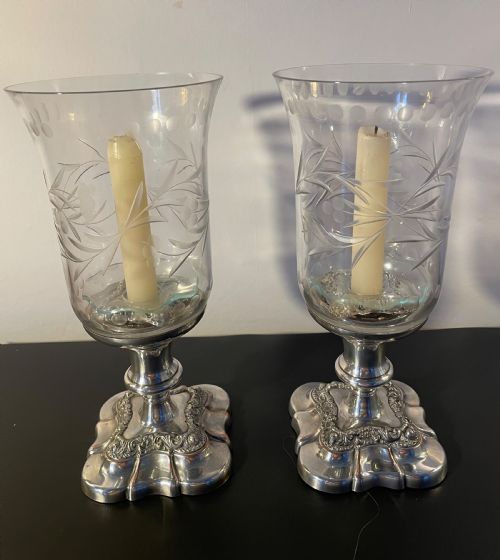
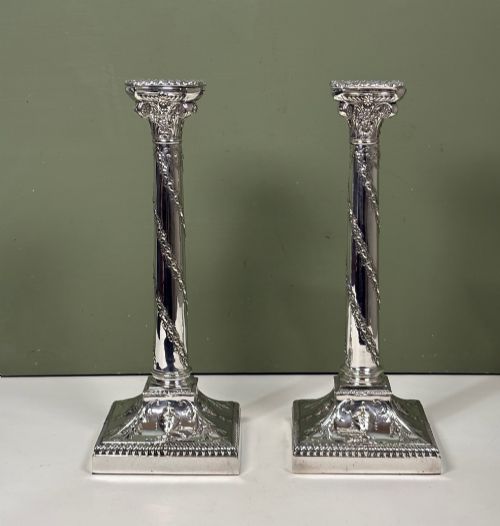

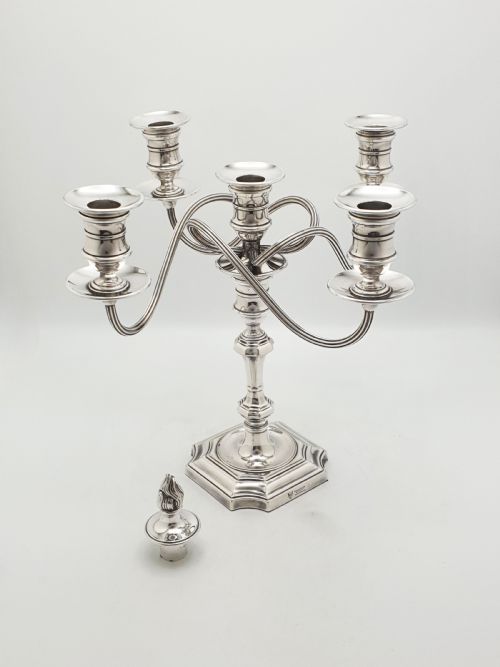


Silver Plate Candle Stands
Silver plate candle stands bring warm illumination and period elegance to a dining table or mantelpiece.
Silver Plate Candle Stands
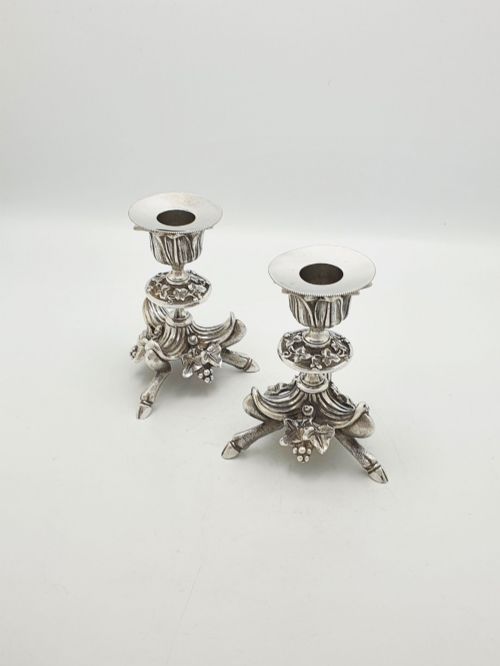
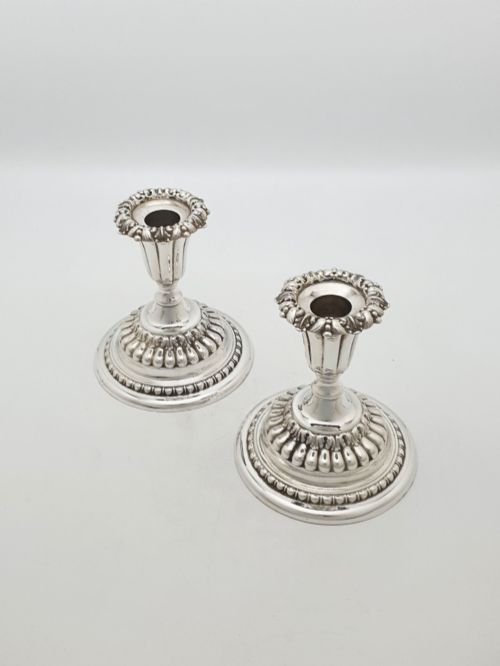
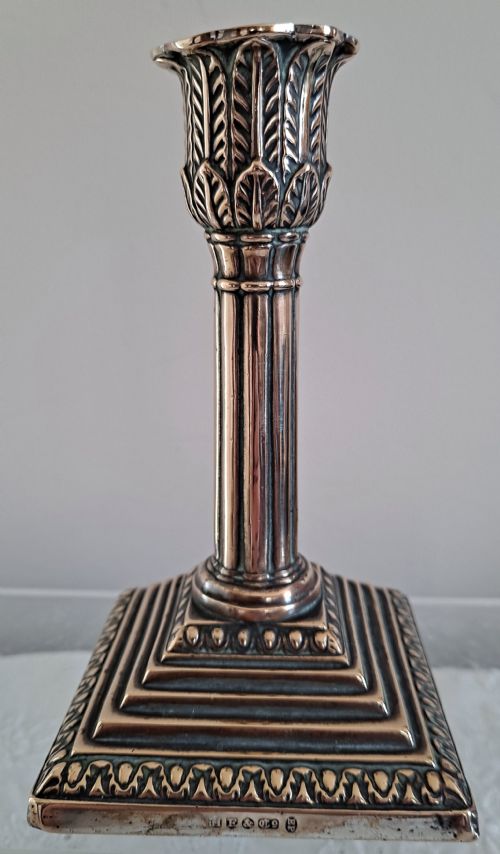
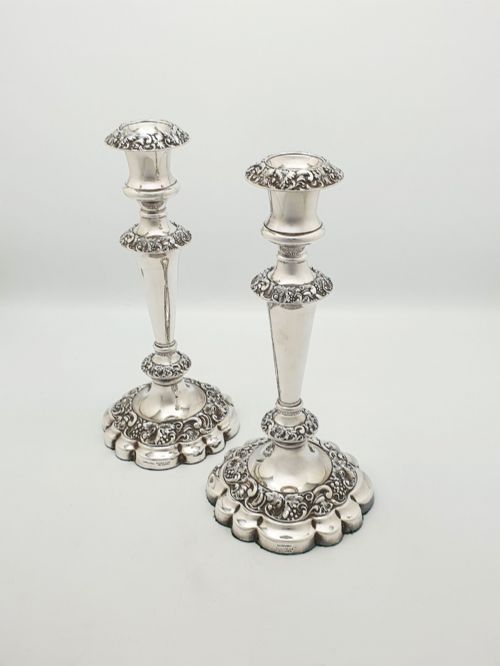
When searching for silver plate candle stands, buyers encounter a variety of forms designed to hold wax illumination safely. Candlesticks and multi-light candelabra dominate the selections, appearing alongside dedicated desk versions and low table models.
Victorian and Edwardian examples sit alongside older Georgian designs and later pieces from the 1920s and 1930s. Pairs form the vast majority of choices available to collectors.
Makers utilise bases of copper, brass, and nickel silver beneath the plated exterior, occasionally incorporating glass or pewter elements.
Materials and construction
Early items often rely on Old Sheffield Plate, a method fusing a thin sheet of silver to a thicker copper core. Later production shifts towards electroplated nickel silver, applying a silver coating via an electrical current onto a base metal.
Components such as columns, nozzles, and weighted bases are manufactured separately before being soldered or assembled together. Telescopic varieties employ sliding shafts to adjust the overall height of the shaft.
Listings feature items spanning the eighteenth century through to the 1930s, constructed in copper, brass, pewter, and silver plate.
Evaluating craftsmanship
The weight and balance of a candle stand indicate the solidity of its internal construction and the thickness of the metal used. Pieces that feel substantial in the hand generally possess sturdier base weights.
The preservation of the silver layer over the base metal dictates visual appeal. Intricate chasing, crisp cast details in styles like Rococo Revival or Neoclassical, and well-preserved plating separate standard production from finer workshop outputs.
Mappin & Webb·WMF·Smith & Sissons·Barker Ellis
The Silver Plate Candle Stands Glossary
- Old Sheffield Plate
- An early manufacturing technique fusing silver onto a copper ingot before rolling into sheets. Edges often reveal thin lines of exposed copper.
- Electroplated Nickel Silver
- A method where silver is deposited onto a nickel alloy base using an electrical current. This technique largely superseded older plating methods during the nineteenth century.
- Candelabra
- A branched candle stand holding multiple lights on a single base. They frequently feature removable branches allowing use as single candlesticks.
- Telescopic
- A design incorporating a sliding mechanism that permits the height of the shaft to extend or contract. These items appear often in Georgian and Victorian examples.
- Nozzle
- The detachable cup at the top of a candlestick that catches dripping wax and secures the candle base.
Silver Plate Candle Stands: Frequently Asked Questions
How do I clean silver plate candle stands?
Use a soft cloth and a specialised silver polish formulated for plated items to maintain the shine. Avoid harsh abrasives that can wear away the thin silver layer over the base metal.
Frequent gentle dusting prevents tarnish buildup in the crevices of chased or embossed decorative motifs.
What is the difference between Old Sheffield plate and electroplate?
Old Sheffield plate involves fusing a sheet of silver to a copper core by heat and pressure. This technique produces visible copper seams at the raw edges of the item.
Electroplate uses an electrical current to bond silver onto a nickel silver or base metal foundation, becoming common after the mid-nineteenth century.
Can I use modern candles in antique holders?
Standard modern taper candles often vary in diameter compared to older sockets. Measuring the nozzle opening ensures the candle fits securely without leaning.
Using a candle trimmer or melting the base slightly helps achieve a stable fit in antique cups.
How do telescopic candle stands work?
Telescopic stands contain an inner sleeve that slides upward to adjust the overall height of the column. A friction fit or internal stop holds the shaft at the desired elevation.
Careful handling prevents straining the internal mechanism during height adjustments.