


Silver Plate Candelabrum
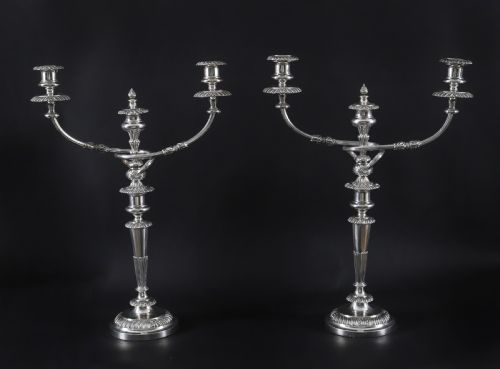
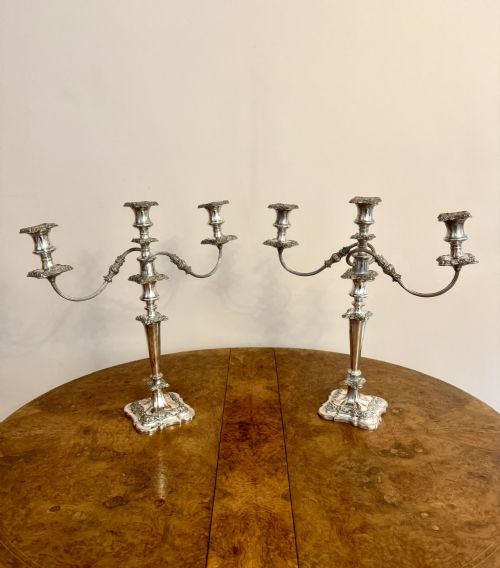
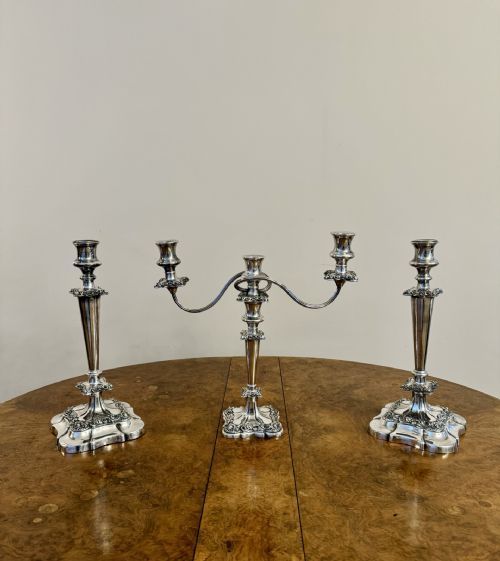
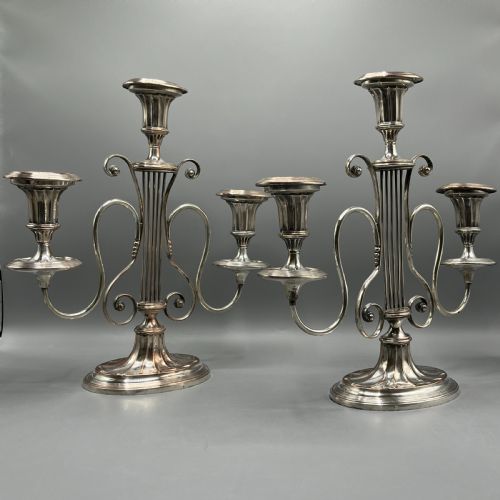
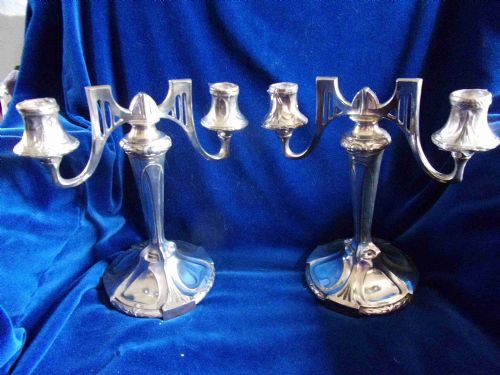
A silver plate candelabrum brings dining tables alive with the warm glow of branching candlelight, combining heavy metal forms with rich historic revival styles.
Silver Plate Candelabrum
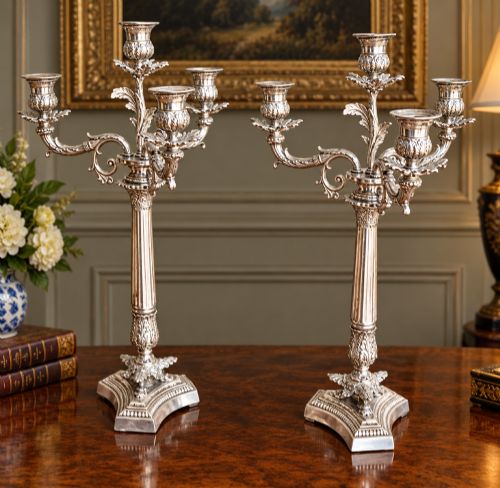
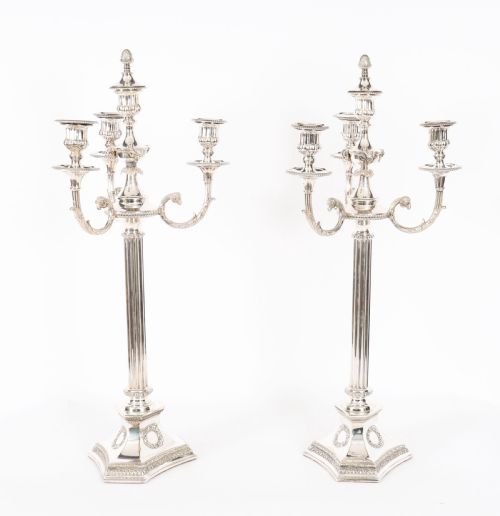
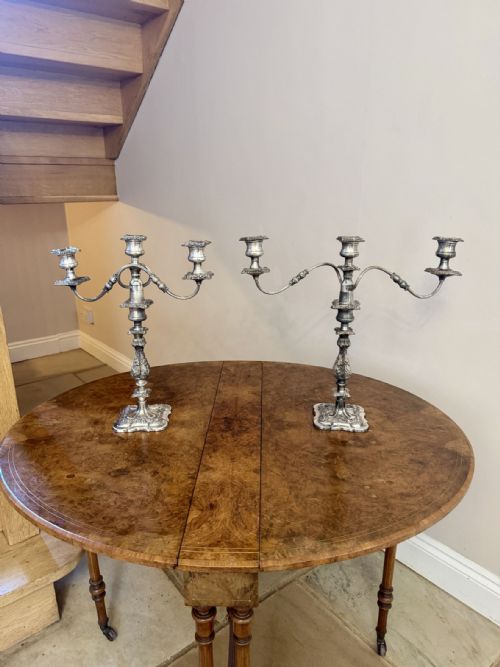
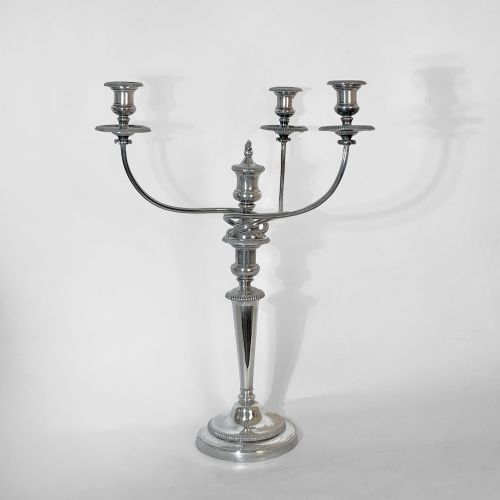
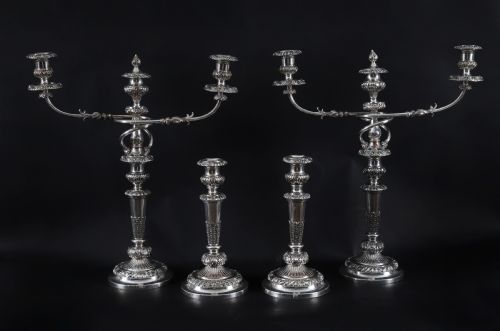
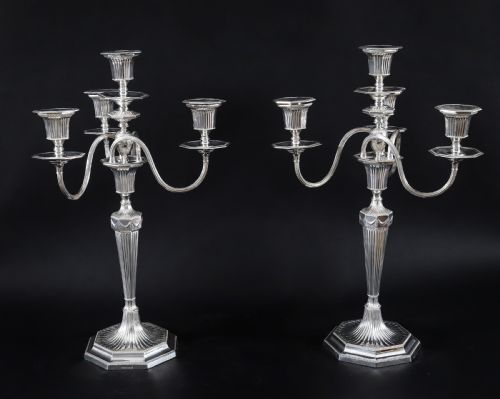
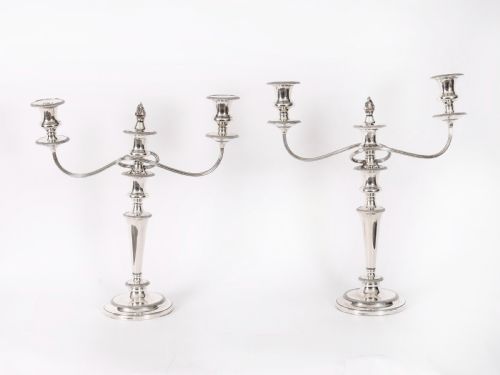
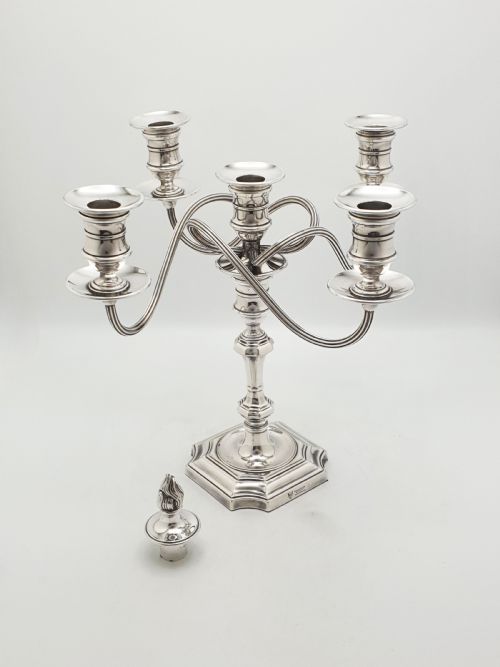
A silver plate candelabrum is a branching lighting fixture designed to hold multiple candles, most commonly appearing as pairs of three-light or five-light dining table centrepieces. When searching for a silver plate candelabrum, buyers encounter items ranging from compact low-branch table versions to large multi-piece suites intended for grand entertaining.
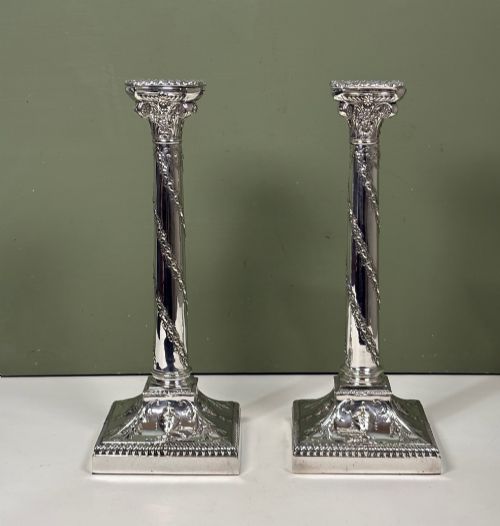
The majority of pieces originate from the Victorian and Edwardian eras, alongside earlier Georgian designs and George III iterations executed in Old Sheffield Plate. Makers utilised various forms including lyre shapes, figural cherubs, and Corinthian columns, frequently featuring detachable sconces for ease of cleaning.
Alongside standard candelabra, the selections span related lighting objects such as candlesticks, candle lamps, wall sconces, and standard lamps. These span styles from Neoclassical and Regency through to Victorian Rococo Revival and Jugendstil.
Materials and construction methods
Makers built these pieces upon base metals such as copper, brass, and plain metal, applying methods like electroplating or the fusing technique characteristic of Old Sheffield Plate. Electroplated Nickel Silver and EPNS also emerged as durable foundations for silver plating.
Craftsmen shaped structural elements through casting and soldering, adding ornamentation such as applied borders, repoussé foliage, and figural details. Detachable parts allowed heat and wax to be managed cleanly during dining.
Some Victorian dining tables once glittered with candelabra featuring ceramic cricket lamp inserts for evening illumination.
Distinctions in quality and execution
Superior examples display crisp casting definition in ornate details like acanthus leaves and figural cherubs, whereas lesser pieces show softer, worn contours from repeated polishing. The thickness and durability of the original plating layer dictate how well the piece retains its silver surface over decades of use.
Well-balanced weight distribution and sturdy construction at the joints separate substantial dining centrepieces from lighter, less stable alternatives. Maker attribution to notable workshops also influences the standing of individual pieces.
Hawksworth Eyre·Garrard & Co·Matthew Boulton·Smith & Sissons·Barker Ellis·Blagden Hodgson·Elkington·WMF
The Silver Plate Candelabrum Glossary
- Old Sheffield Plate
- A precursor to electroplating where a sheet of silver was fused to a copper core by heat and pressure. This technique is often visible where the underlying copper peeks through high points.
- Electroplated Nickel Silver
- A durable base alloy of copper, nickel, and zinc that received an electrolytic coating of silver. It provided a robust alternative to earlier methods.
- Sconce
- The detachable cup or nozzle at the top of a branch that catches dripping wax and holds the candle securely. Many dining candelabra feature removable versions for easier maintenance.
- EPNS
- An acronym for Electroplated Nickel Silver, frequently found stamped on pieces produced from the mid-nineteenth century onwards. It denotes the metallic composition beneath the silver plating.
- Centrepiece
- A large, decorative object placed in the middle of a dining table, which often takes the form of a branching candelabrum or a combined dish and light fitting.
Silver Plate Candelabrum: Frequently Asked Questions
How many candles does a standard candelabrum hold?
Most dining pieces accommodate between three and five candles distributed across branching arms surrounding a central light.
Larger formal versions can feature four or five branches, while smaller table examples typically support two or three.
What is the difference between Old Sheffield Plate and silver plate?
Old Sheffield Plate involves physically fusing a thin sheet of silver onto a copper base through heating and rolling.
Later silver plate utilises an electrical current to bond a silver layer onto a base metal or nickel silver alloy.
Are the candle arms removable for cleaning?
Many multi-branch examples feature modular construction with removable arms or detachable sconces to facilitate polishing and wax removal.
Checking the joins reveals whether the upper section lifts away from the weighted base.
How do I identify Georgian pieces from Victorian ones?
Georgian and George III items frequently utilise Old Sheffield Plate with visible copper edges and restrained Neoclassical or Regency lines.
Victorian pieces lean towards heavier electroplating, substantial weight, and elaborate Rococo Revival or Corinthian ornamentation.