
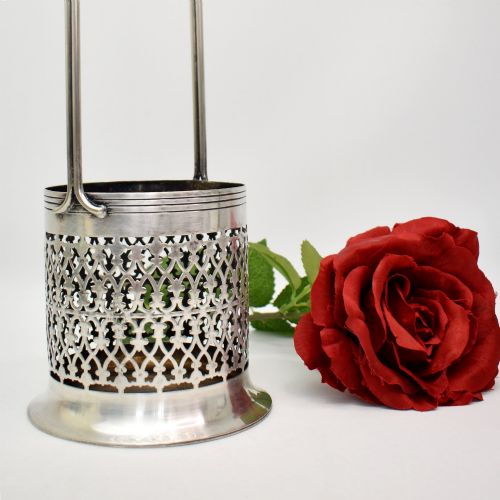


Silver Plate Bottle Coasters
Silver plate bottle coasters protect dining tables from condensation and spills while adding a gleam of polished metal to the room.
Silver Plate Bottle Coasters
Silver plate bottle coasters are traditional dining table accessories designed to hold wine bottles, decanters, or champagne magnums. When exploring silver plate bottle coasters, buyers encounter various forms including single holders, pairs, multi-bottle carts, and stands dating from the Georgian period through the mid-twentieth century.
The selection ranges from early nineteenth century Old Sheffield Plate examples with turned wooden bases to Victorian pierced designs and twentieth century modernist pieces. These items appear in dining rooms and bar settings as functional table pieces that often match established antique tableware.
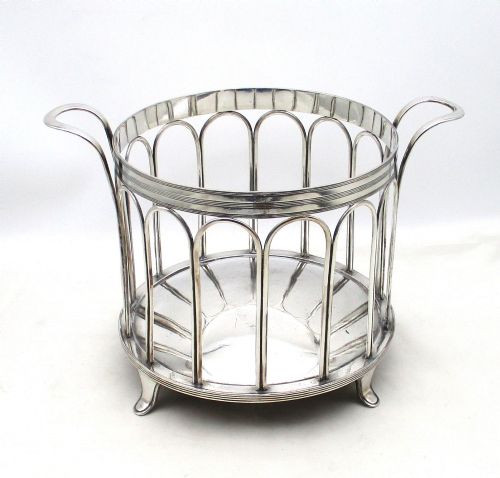
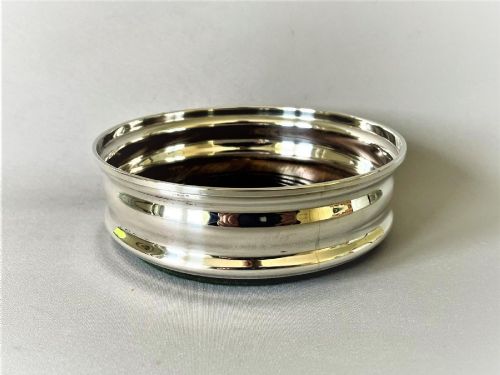
Makers and workshops across England and Europe produced these vessels in distinct styles such as Regency, Edwardian, and Art Nouveau. Pieces range from simple circular rings to carriage frames fitted with wheels and multiple compartments.
How They Were Made
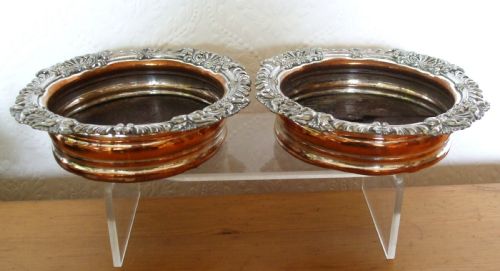
Makers combined silver plate and Old Sheffield Plate with turned mahogany and other woods to create stable bases that prevented heat transfer and moisture damage to furniture. Metal components involved fusing silver sheets to copper bases or electroplating white metal alloys.
Craftsmen utilised techniques such as piercing, engraving, and casting to apply decorative borders featuring grape and vine motifs, gadroon edges, or floral patterns. Wooden inserts frequently featured central buttons or turned bosses of silver plate for armorial engraving.
The listings feature silver plate bottle coasters spanning the Georgian, Victorian, Edwardian, and mid-century periods, incorporating mahogany, copper, and turned wood.
What Varies in Quality
The distinction between standard production items and finer examples rests on the weight of the metal, the crispness of chased or pierced decoration, and the integrity of the wooden base. Superior pieces display substantial gauge silver plating over copper or nickel silver, maintaining deep relief in ornamental rims.
Workmanship on the underside and the method of joining the gallery to the base indicate the level of care taken during manufacture. Maker marks from established silversmiths and manufacturers provide further differentiation in provenance and historical standing.
Brook & Son·Christofle·Rupert Favell & Co·Matthew Boulton·Maple·Mappin & Webb·Elkington & Mason·WMF
The Silver Plate Bottle Coasters Glossary
- Old Sheffield Plate
- A fused composite material made by sandwiching a sheet of copper between two thin layers of silver, heated and rolled together. This technique predates modern electroplating and appears on eighteenth and early nineteenth century pieces.
- Silver Gilt
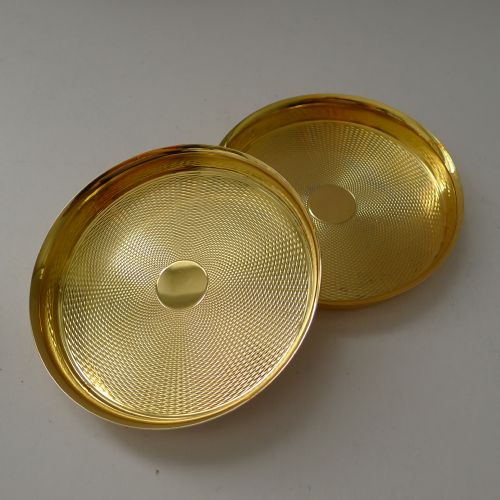
- Silver that has been coated with a thin layer of gold on its surface, also known as vermeil. This treatment provides a rich warm tone and protects the underlying silver from tarnishing.
- Decanter Carriage
- A wheeled frame or wagon designed to hold multiple wine bottles or decanters securely during dining service. These allow bottles to be passed easily along the length of a table.
- Pierced Work
- Metal pierced with decorative openwork patterns such as lattices, scrolling foliage, or vertical slots. This technique lightens the visual weight of the gallery.
- Gadroon Edge
- A decorative, fluted or notched ornamental border commonly found along the rim of a coaster. It reflects light and provides a tactile grip.
Silver Plate Bottle Coasters: Frequently Asked Questions
How do I clean silver plate bottle coasters?
Clean these items using a soft cloth and a specialised silver polish formulated for plated items, avoiding abrasive brushes that can wear through the thin silver layer.
Take care around wooden bases and felt linings to keep moisture away from the grain during the cleaning process.
What size bottles fit these coasters?
Most standard wine bottles and bordeaux decanters fit comfortably within traditional single rings, though larger magnum and champagne formats require specific wider holders.
Check the internal diameter measurements before purchase to ensure compatibility with your preferred bottle shapes.
How can I date my bottle coaster?
Examine the construction methods, stylistic cues such as Regency or Art Nouveau motifs, and any stamped maker marks or hallmarks present on the metal.
Old Sheffield Plate construction typically points to the Georgian era, while electroplated items often date from the Victorian period onwards.
Were these coasters used only for wine?
Dining rooms utilised these vessels for port, sherry, champagne, and water decanters, as well as holding table stationery or small floral arrangements.
Multi-bottle carts allowed hosts to serve several beverage choices simultaneously from a single mobile stand.