





Silver Novelty Miniature
When you search for silver novelty miniature pieces, you enter a world of diminutive craftsmanship where domestic objects, animals and furniture take playful form in precious metal.
Silver Novelty Miniature
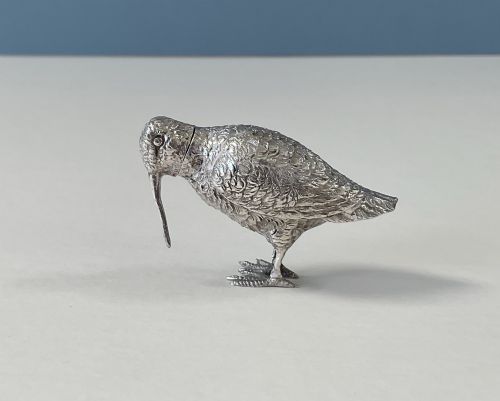
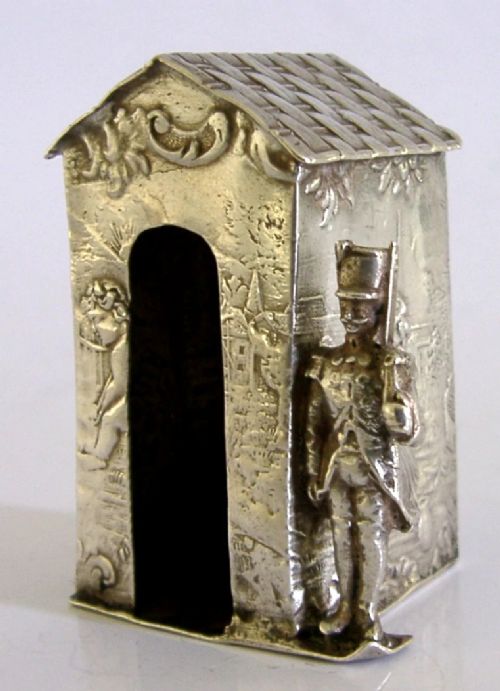
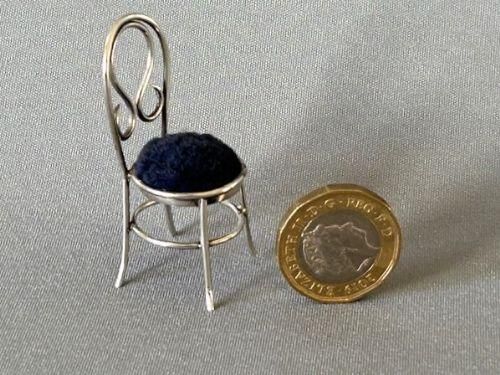
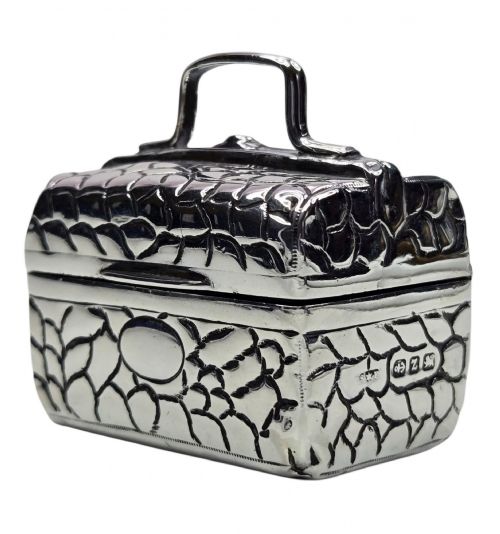
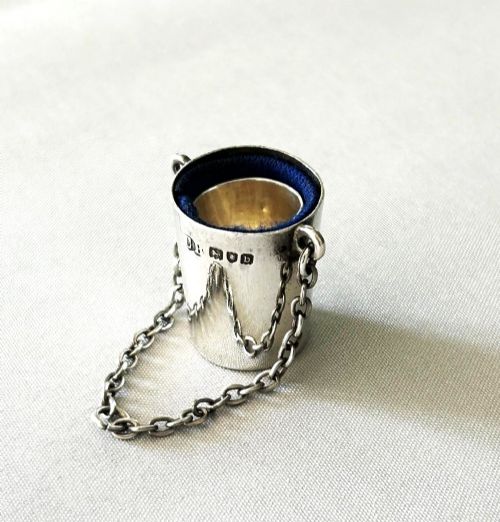
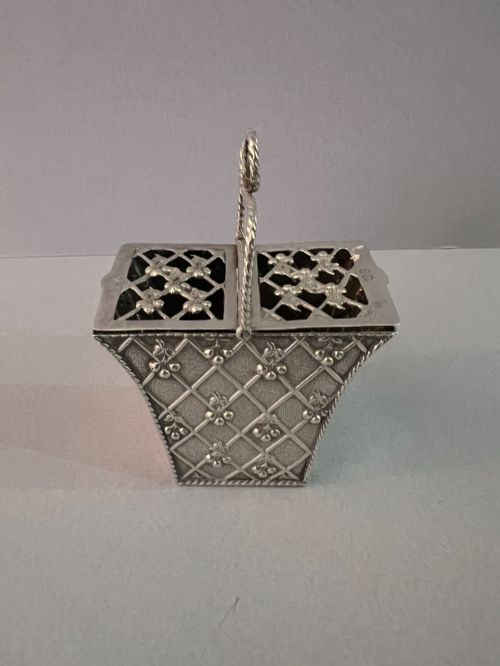
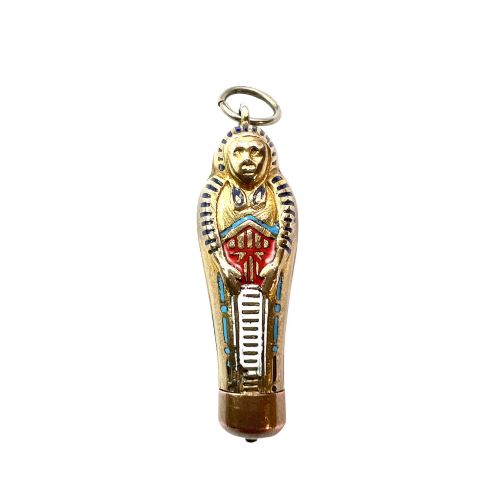
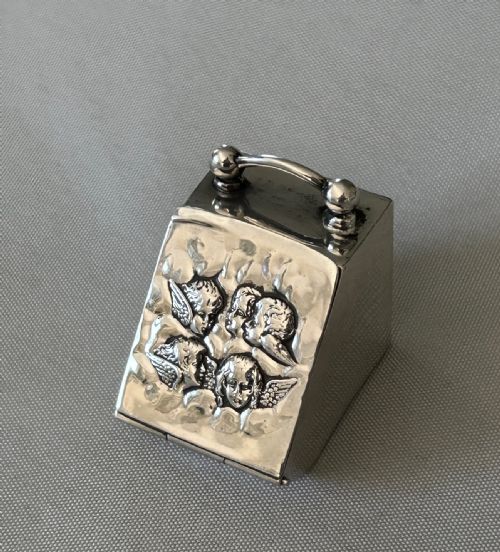
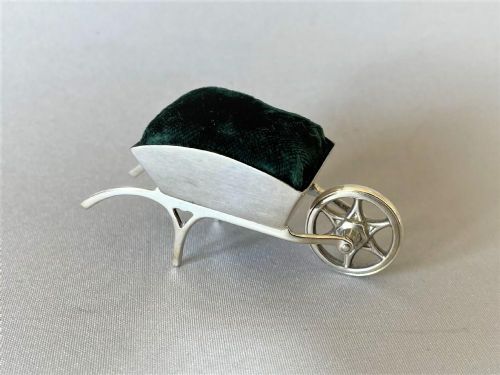
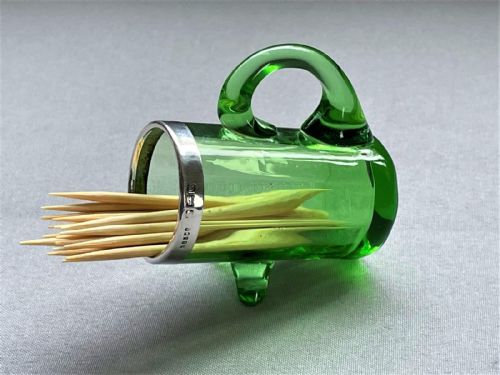
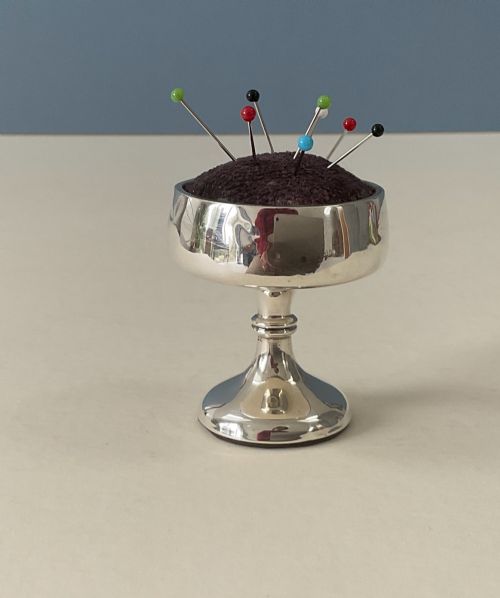
Silver novelty miniature pieces span domestic objects, animals, furniture and transport rendered on a tiny scale. They include functional items such as pin cushions, pill boxes, scent bottles and match holders, alongside purely decorative figures and miniature furniture.
The pieces appearing most frequently across these listings date from the Victorian and Edwardian eras, with significant representation from English makers alongside continental European output, particularly from Germany and the Netherlands.
Makers utilised sterling silver and silver plate, frequently combining the metal with velvet, wood, glass, fabric, oak and enamel to add texture and realism to the miniature forms.
Manufacturing techniques
Silversmiths employed detailed casting, stamping and embossing techniques to achieve the intricate textures seen on animal pelts, woven baskets, feathers and architectural elements. Many miniature furniture pieces and animal figures required multiple separate components soldered together with precision.
Makers integrated tactile secondary materials into the silver frameworks, mounting velvet or fabric within pin cushions, fitted glass inserts inside scent bottles and wooden or oak cores within miniature barrels and trunks.
Listings feature sterling silver, silver plate, velvet, wood, glass, fabric and oak across Edwardian, Victorian and Georgian periods.
Quality variations
The distinction between standard output and finer work lies in the sharpness of detail and the proportional accuracy of the miniature form. Superior pieces display crisp chasing and convincing articulation without relying on heavy solder to conceal weak joints.
Quality also rests on the preservation of original fitted elements, such as intact velvet pads on pin cushions, unblemished enamel work, and clear hallmarks that confirm the maker and date of production.
Sampson Mordan and Co·Saunders and Shepherd·Haseler Brothers·Samuel Landeck·Batson and Son·William Comyns
The Silver Novelty Miniature Glossary
- Pin cushion
- A fitted pad encased in silver, often formed as animals, boots or furniture. These items formed essential dressing table accessories in the Victorian period.
- Hanau silver
- Continental European silver, predominantly German, produced to emulate earlier historic styles and often bearing pseudo-hallmarks. These pieces frequently take whimsical or architectural forms.
- Novelty silver
- Items fashioned into unexpected shapes while retaining a secondary practical or decorative function. The category includes match holders, stamp cases and thimble buckets.
- Chasing
- A metalsmithing technique used to ornament silver by hammering from the front to sink the metal and create raised surface relief. This method defines the texture on miniature animals and embossed boxes.
- Miniature toy
- A collector term for small-scale silver replicas of household goods and tableware produced from the late seventeenth century onwards. These items mirror full-sized domestic silver in miniature.
Silver Novelty Miniature: Frequently Asked Questions
What were silver miniatures used for?
Many miniature silver items served practical daily functions on Victorian and Edwardian dressing tables and desks. Pieces such as pin cushions, stamp cases, scent bottles and pill boxes combined utility with playful ornament.
Other examples, including miniature furniture, animal figures and tea sets, were produced purely for display cabinets and collector collections. Their appeal lay in the astonishing precision required to scale down everyday objects into precious metal.
How do I identify Edwardian silver miniatures?
Edwardian silver miniatures often feature hallmarks dating between 1901 and 1910, showing the monarch's head or specific date letters corresponding to assay offices in London, Birmingham or Chester. Stylistically, they frequently embrace naturalistic animal forms, whimsical transport items and household novelties.
Comparing the manufacturing stamps and consulting maker marks helps separate this period from earlier Victorian production or later twentieth-century output.
What is Hanau silver?
Hanau silver refers to items manufactured in the German town of Hanau during the late nineteenth and early twentieth centuries. Many workshops specialised in producing decorative silver miniatures and boxes styled after older seventeenth and eighteenth-century designs.
These pieces often carry pseudo-marks rather than standard official German hallmarks, intended to evoke antique provenance rather than deceive buyers about their true period of creation.
How should I clean silver miniatures?
Cleaning tiny silver items requires extreme care to avoid damaging delicate soldered joints, embedded velvet pads or fragile enamel work. A soft microfiber cloth without abrasive dips preserves the fine chased details and original surface patination.
If the piece incorporates fabric, wood or glass elements, liquid cleaning solutions should be avoided entirely to prevent moisture damage to the secondary materials.