



Silver Mounted Wood
Silver mounted wood brings together substantial timber vessels and walking canes enriched with precious metal collars and handles.
Silver Mounted Wood
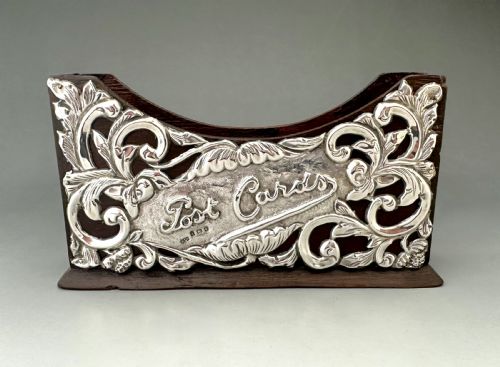
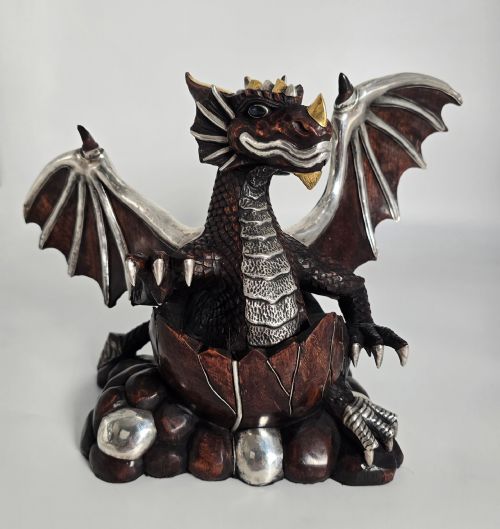
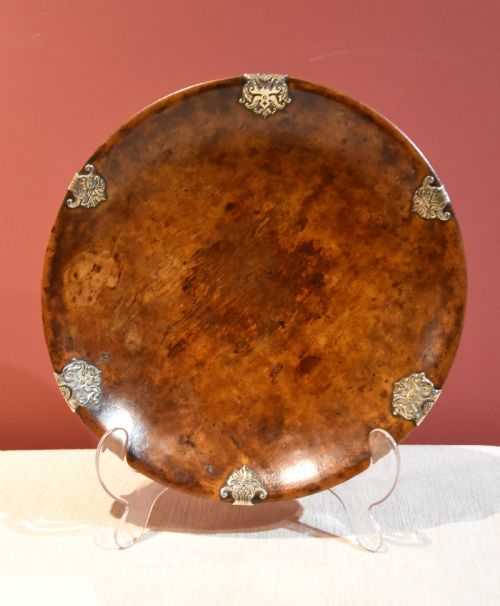
Silver mounted wood encompasses a broad array of practical objects and walking sticks created across the eighteenth, nineteenth, and early twentieth centuries. These pieces combine rich natural timbers such as mahogany, oak, coromandel, and burr walnut with functional or decorative silver elements.
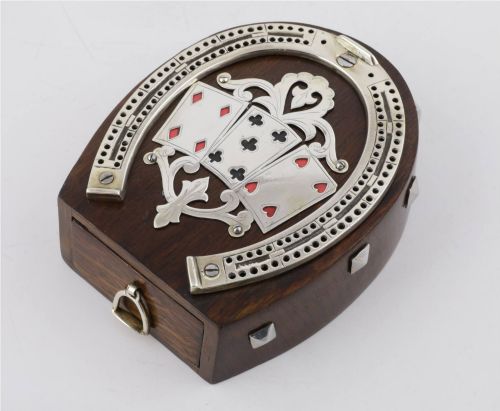
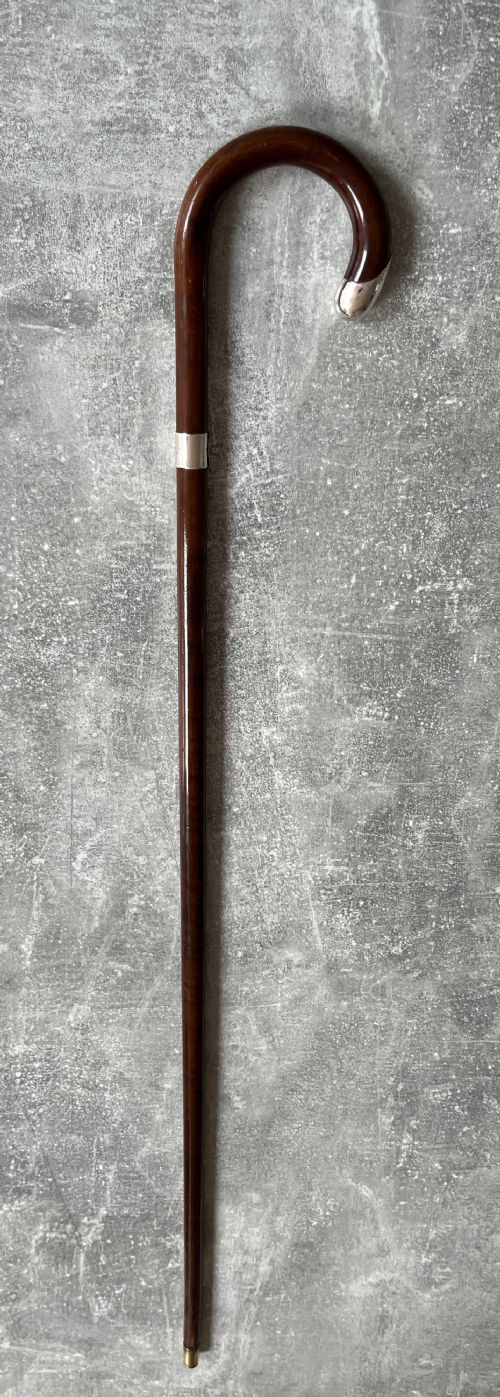
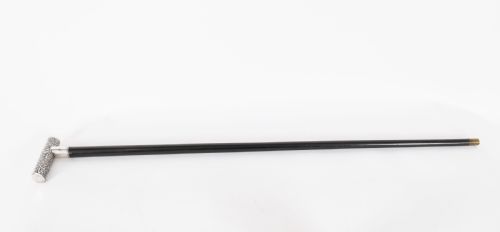
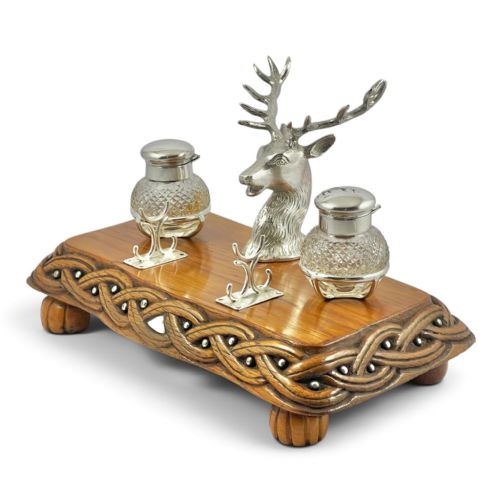
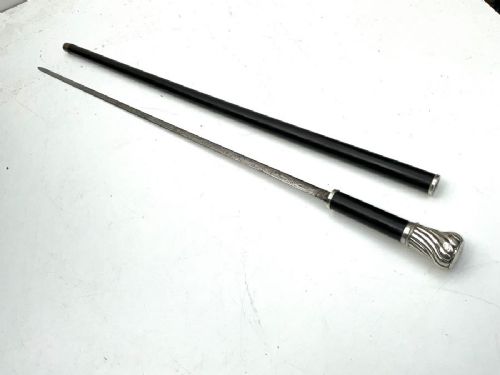
Walking sticks and canes dominate the form, frequently featuring chased silver collars, engraved pommels, or figural handles paired with exotic hardwood shafts. Beyond canes, buyers encounter domestic items including inkstands, tantalus frames, tea caddies, games boxes, and mercury barometers.
Origins span British workshops alongside French, Chinese export, and South Indian makers, reflecting a global appetite for combining durable timber with precious metal mounts. The material pairings shift according to period taste, moving from Georgian mahogany and oak toward Victorian ebonised woods and Edwardian novelty designs.
Materials and construction
Craftsmen selected dense native and exotic hardwoods such as mahogany, rosewood, oak, and coromandel to provide a stable structural foundation for each object. Timber components were carved, turned, or veneered with precision before receiving their metal additions.
Silver mounts, collars, and handles were cast, hand-hammered, or repoussé-worked before being secured to the wooden bodies with small pins, screws, or adhesives. In many examples, silversmiths applied hallmarks to validate the purity of the metal encasing the wood.
Silver Mounted Wood Retail Price Guide 2026
Typical asking prices for silver mounted wood among the pieces listed under this phrase on Sellingantiques today, from the lower quarter to the upper quarter. They describe what is for sale here now, not the wider market.
Evaluating craftsmanship
Quality rests upon the harmony between the timber selection and the execution of the metalwork, where dense grain patterns in woods like burr walnut or coromandel complement crisp, detailed silver chasing. Superior examples display seamless integration between the silver mount and the wooden substrate without loose collars or mismatched proportions.
Maker attribution and engraved provenance elevate certain pieces, particularly scientific instruments by known barometer makers or walking canes bearing distinct silversmith marks. The depth of hand-carving on handles, frames, and furniture fragments distinguishes standard production items from exceptional workshop commissions.
P Caminada·Des Granges·James Maitland·Sandrino
The Silver Mounted Wood Glossary
- Tantalus
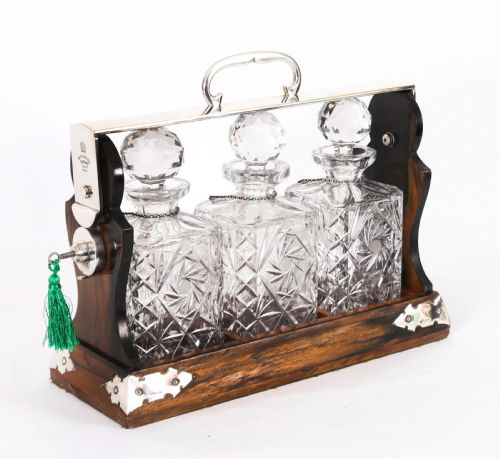
- A locking wooden drinks cabinet with framed decanters designed to display contents while preventing unauthorized access. These are frequently fitted with mirrored backs and substantial silver lock plates.
- Barometer
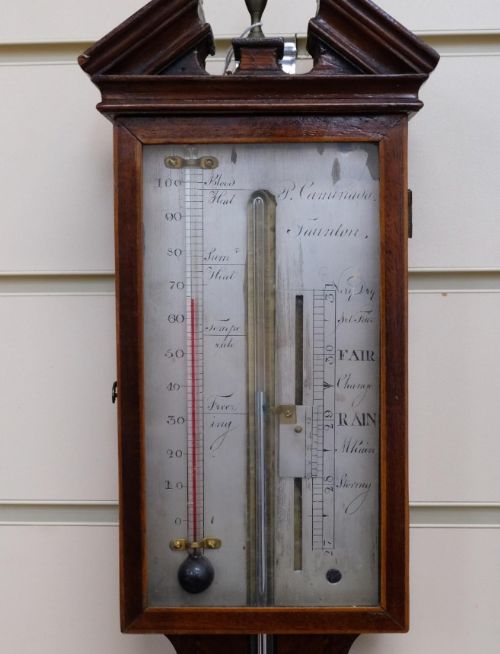
- A scientific instrument housed in a wooden trunk or stick case used for measuring atmospheric pressure. Georgian and Regency iterations often incorporate mercury tubes alongside carved mahogany or rosewood frames.
- Ebonised
- Wood treated with a dark stain or finish to imitate expensive ebony. This technique appears widely on nineteenth-century boxes, trays, and walking stick shafts.
- Coromandel
- A dense, heavily figured Southeast Asian timber displaying dark brown hues with dramatic black striping. Cabinetmakers utilised this prestigious wood for luxury tea caddies and games boxes.
- Hallmark
- An official stamp applied to precious metals indicating purity, origin year, and assay office. These marks help date the silver mounts attached to wooden bases.
Silver Mounted Wood: Frequently Asked Questions
What is silver mounted wood?
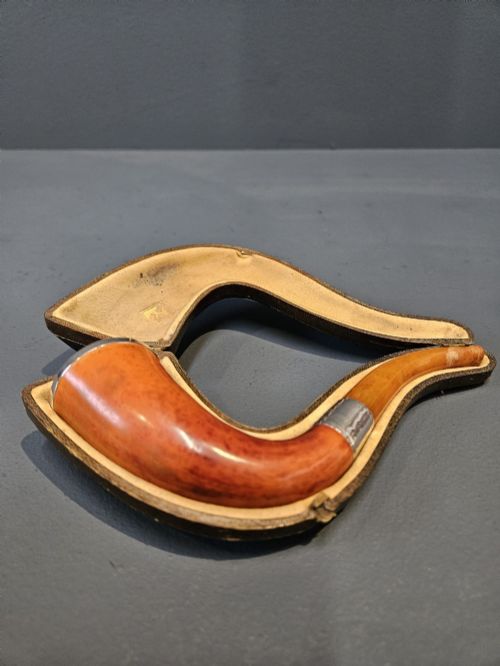
Silver mounted wood refers to antique objects that combine wooden bodies with silver collars, handles, hinges, or plaques. This category ranges from walking canes and umbrella shafts to domestic boxes, inkstands, and scientific barometers.
Craftsmen utilised this combination to reinforce structural wear points while adding decorative contrast between the rich grain of timbers like mahogany, oak, and coromandel and the bright sheen of polished silver.
How do I date a walking stick?
Dating a walking stick relies heavily on examining the silver hallmarks stamped onto the collar or handle, which reveal the assay office and exact year of manufacture. Stylistic clues such as Art Nouveau floral motifs, Victorian chasing, or Edwardian novelty carvings also help determine the period.
The choice of shaft material, from traditional palm wood and malacca to root ball and ebonised wood, further indicates the fashion of the decade.
How do I care for wooden boxes?
Caring for antique wooden boxes and games cases involves keeping them away from direct sunlight and fluctuating radiator heat to prevent the timber from warping or splitting. Gentle dusting with a dry lint-free cloth maintains the surface.
Avoid harsh liquid polishes on both the wood and the silver mounts, opting instead for occasional microcrystalline wax on the timber and careful cleaning around engraved silver hinges.