


Silver Mount Desk Inkwell
A silver mount desk inkwell brings together practical desk furniture and precious metal work, offering a refined addition to any writing surface.
Silver Mount Desk Inkwell
A silver mount desk inkwell is a functional desk accessory designed to hold writing fluid safely while incorporating decorative metal mounts. These items appear across various Victorian and Edwardian periods, reflecting the heavy reliance on handwritten correspondence during the nineteenth and early twentieth centuries.
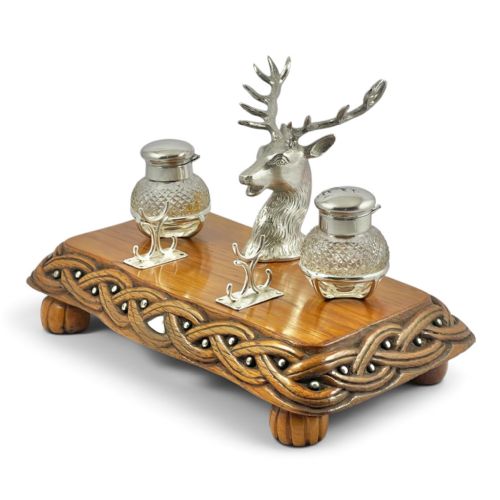
The pieces on this page span several distinct forms, from simple glass inkwells with silver collars to elaborate inkstands featuring oak, horn, and taxidermy elements. Buyers frequently encounter desk tidies and pen stands alongside standalone inkwells, often originating from Scottish workshops or major English manufacturing centres.
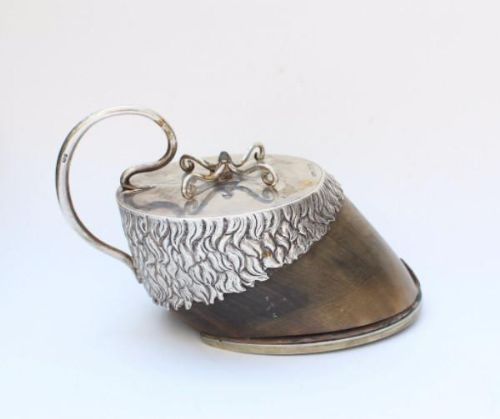
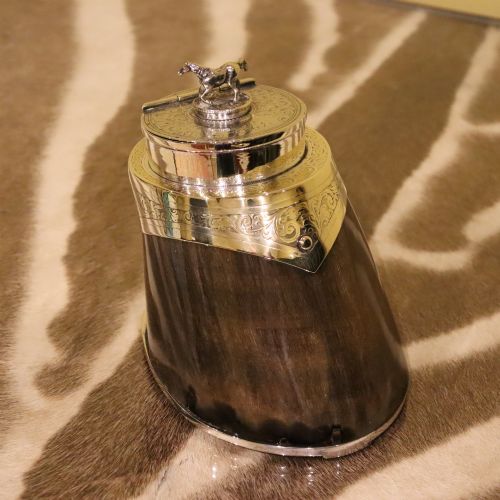
Many examples incorporate organic materials such as horse hoof, horn, and exotic woods like coromandel and satinwood, paired with sterling silver or silver plate. These variations illustrate the diverse tastes of past owners, ranging from austere Gothic Revival designs to elaborate equestrian novelties.
What varies in quality
The standard of a silver mount desk inkwell depends largely on the weight of the silver used in the mounts and the precision of the joinery between different materials. Heavier gauge silver mounts and solid timber bases indicate superior manufacturing effort compared to thin plated alternatives.
Design complexity and the integration of unusual materials such as lapis lazuli, onyx, or taxidermy also set finer examples apart from standard utility desk accessories. Pieces bearing clear maker marks and provincial or urban hallmarks generally demonstrate higher craftsmanship.
Victorian desk arrangements occasionally featured genuine pony hooves transformed into practical inkwells.
Tiffany and Co·Rupert Favell·Asprey
The Silver Mount Desk Inkwell Glossary
- Inkstand
- A fitted tray or stand designed to hold one or more inkwells alongside pen rests and sometimes stamp boxes. These pieces formed the centrepiece of a nineteenth-century writing desk.
- Sterling silver
- An alloy consisting of pure silver and other metals, usually copper, standardised for strength and durability. Items made to this standard frequently bear town and maker marks.
- Silver plate
- A base metal substrate coated with a thin layer of silver through chemical or electrochemical processes. This technique provided the appearance of solid silver at a lower production cost.
- Taxidermy
- The art of preparing, stuffing, and mounting animal skins or parts for display. In desk accessories, horse hooves were commonly mounted with silver lids to serve as novelty inkwells and paperweights.
- Hallmark
- A official stamp applied to precious metals indicating the purity, origin, and year of testing. These marks help identify the specific assay office and working period.
Silver Mount Desk Inkwell: Frequently Asked Questions
How do I clean a silver mount desk inkwell?
Dust the piece gently with a soft cloth and use a specialist silver polish on the metal mounts, taking care to avoid staining adjacent glass, wood, or horn surfaces. Residual dried ink inside the glass reservoir can be rinsed out slowly with warm water.
Harsh chemical solvents and excessive scrubbing should be avoided to protect antique finishes, organic materials, and delicate hallmarks stamped into the silver.
Were all these inkwells used for writing?
Most of these pieces served a practical function on writing desks, holding ink for dip pens and providing places to rest writing implements. Some larger examples combined stationery boxes and blotters into a single desk tidy.
A few novelty items, such as horse hoof paperweights and cornucopia desk stands, balanced utility with Victorian decorative tastes, functioning as conversation pieces as much as writing tools.
How do I date a silver mounted desk accessory?
Dating relies primarily on the style of the piece, the materials used, and any hallmarks stamped onto the silver mounts. Victorian and Edwardian items often display distinct aesthetic traits, such as Gothic Revival or Celtic Revival motifs.
Maker marks and assay office symbols provide the most precise chronological indicators, connecting the piece to specific working decades of the nineteenth and early twentieth centuries.
Why are some inkwells made from animal hooves?
Equestrian and taxidermy novelties were popular during the Victorian period, reflecting a widespread fascination with natural history and hunting culture. Horse hoof inkwells and paperweights allowed owners to commemorate cherished animals or display rustic country house aesthetics.
These pieces required taxidermy skills combined with silver smithing, resulting in durable desk items that combined animal anatomy with precious metal mounts.