



Silver Military Watch
When you search for a silver military watch, you enter a domain of utilitarian timekeepers built for service on land, sea, and in the air.
Silver Military Watch
A silver military watch encompasses wristwatches, pocket watches, and deck chronometers issued to or used by armed forces across multiple conflicts, spanning from the late nineteenth century through the mid-twentieth century.
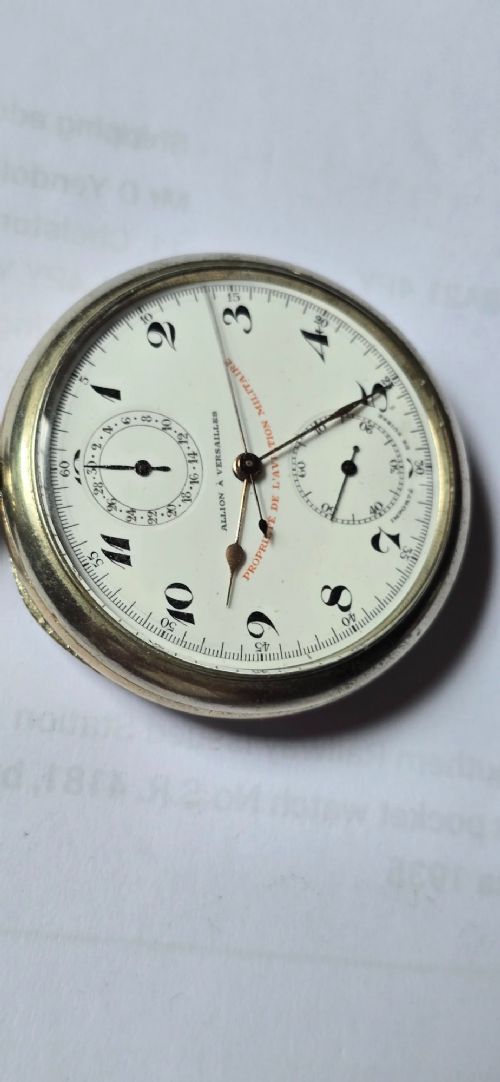
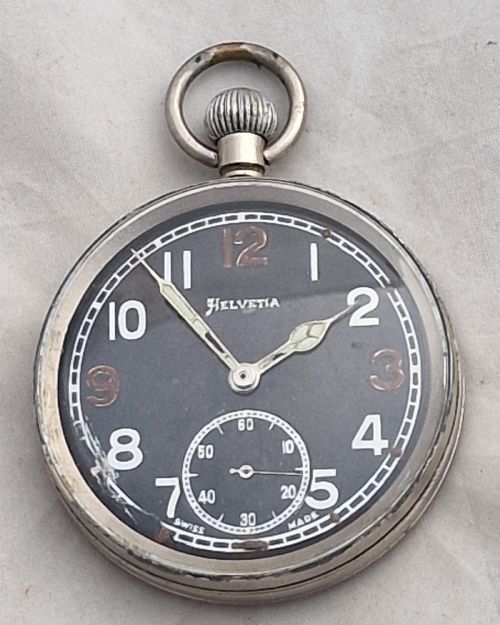
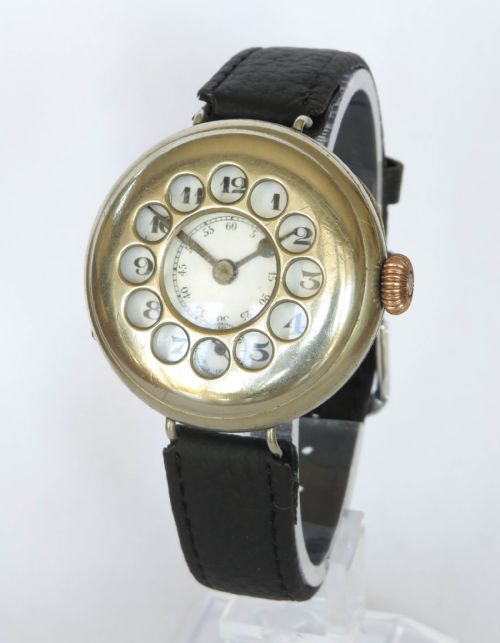
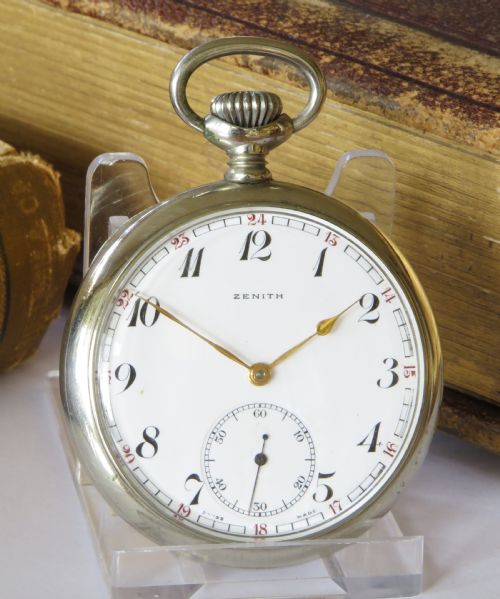
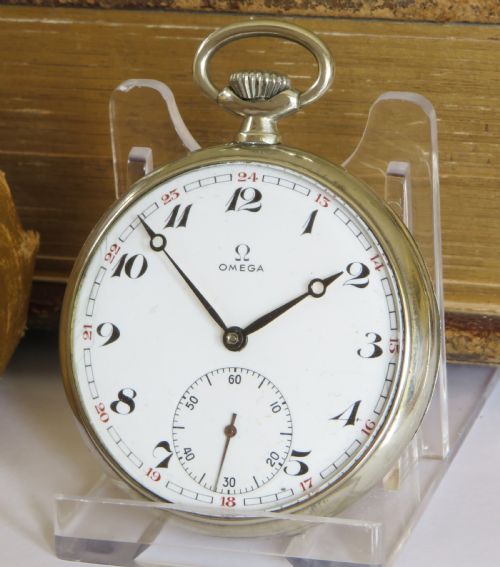
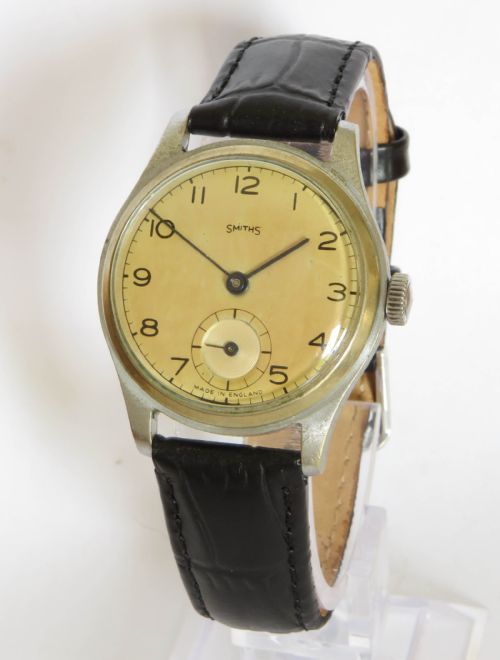
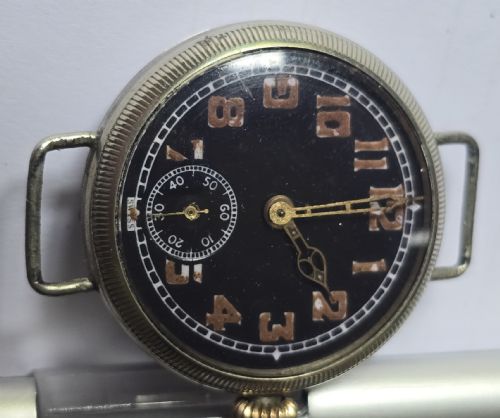
Buyers will encounter pocket watches from the First World War alongside trench wristwatches fitted with protective shrapnel guards, and later aviation and naval instruments.
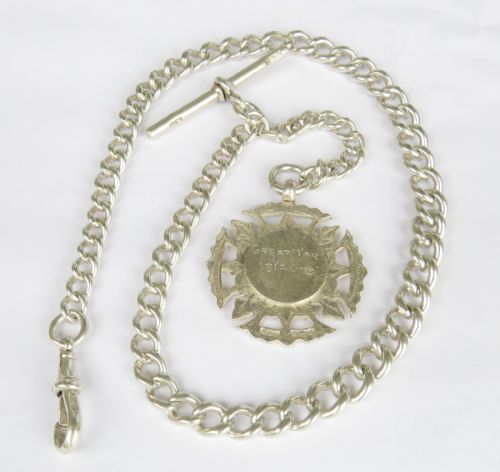
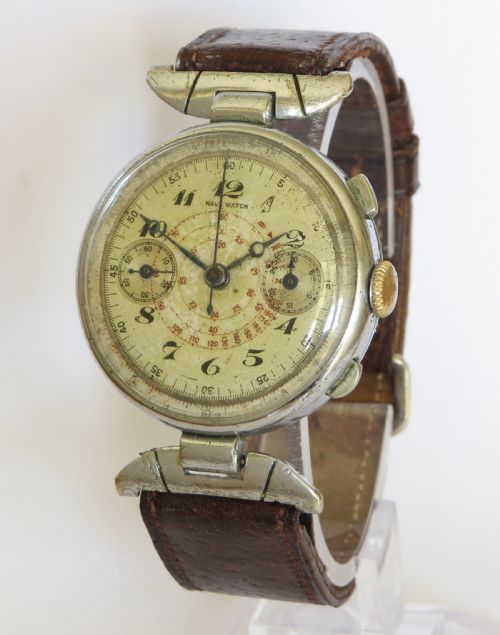
The selection ranges from early silver-cased trench models and pocket watch albert chains to robust chronographs and deck watches produced by notable Swiss and British horological houses.
Materials and construction
Cases are formed from silver, stainless steel, nickel, brass, and chrome, frequently housing mechanical movements protected by glass crystals and enamel dials.
Many specimens incorporate leather straps or silver pocket watch chains and fobs, while specialised navigational instruments integrate brass and glass construction.
Movements rely on traditional Swiss and English horological techniques, utilising chronograph complications, manual wind mechanisms, and specialised military issue markings.
Some trench watches wear bulky wire cages over their faces like tiny medieval helmets, ready to take a bullet for the dial.
Assessing quality and authenticity
Quality rests upon the originality of the dial, case, and movement, distinguishing untouched issued specimens from assembled or heavily restored examples.
The presence of crisp military broad arrow marks, serial numbers, and specific unit inscriptions elevates the historical integrity of a piece.
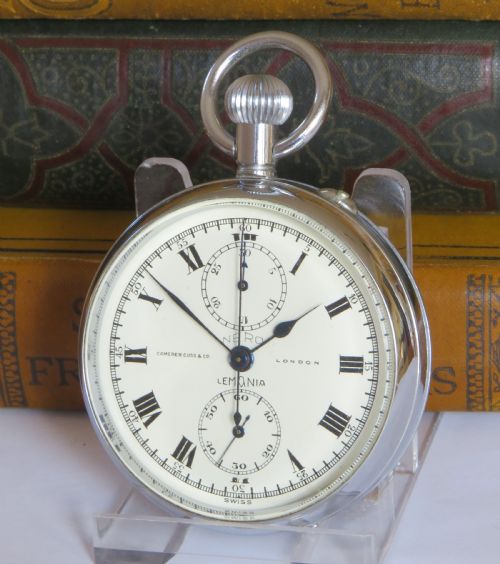
The refinement of the mechanical movement, whether a high-grade chronograph calibre or a precision deck watch escapement, dictates the horological merit.
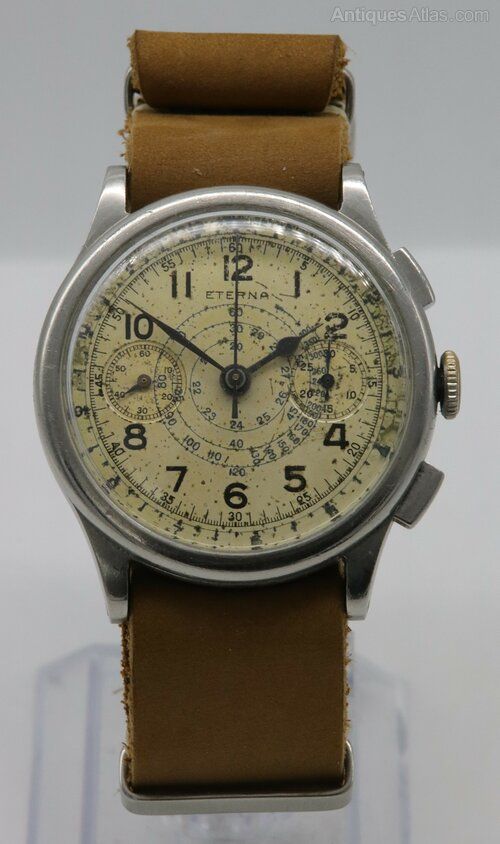
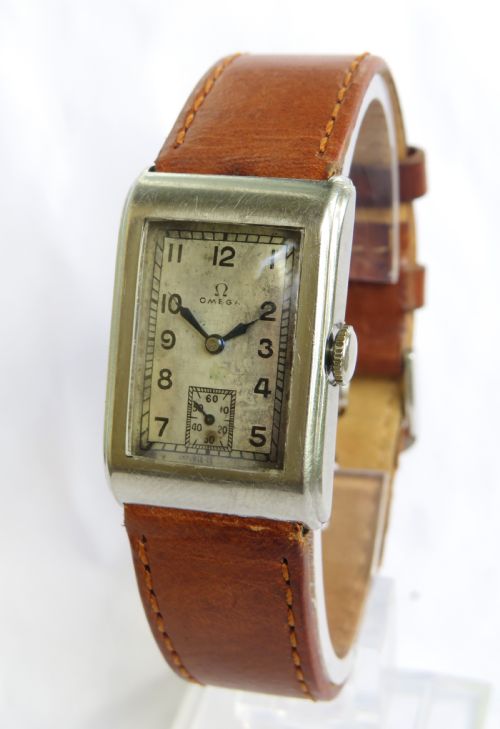
Helvetia·Nero Lemania·Eterna·Omega·Hahn Landeron·Zenith·Smiths·Roamer·West End Watch Co·Vertex·Ross of London·Aristo·Timor·Elliott Brothers·Tissot·Timex·J W Benson·Denco·Longines·Waltham
The Silver Military Watch Glossary
- Chronograph
- A watch with a function for measuring elapsed time by means of a central chronograph hand. This complication allows precise interval timing used by aviators and artillery officers.
- Shrapnel guard
- A removable wire or metal grille fitted over the glass crystal of a trench watch. It protected the fragile dial from impact during active combat.
- Deck watch
- A precise portable timepiece used on naval vessels for navigation and determining longitude. These large watches were kept in secure boxes or cabins.
- Albert chain
- A chain attached to a pocket watch, secured through a buttonhole or waistband. They often carry fobs commemorating military service or regiments.
- Calibre
- The specific internal mechanical movement manufactured for a watch. Collectors reference calibre numbers to identify the exact production lineage of a movement.
Silver Military Watch: Frequently Asked Questions
What is a trench watch?
A trench watch is an early form of wristwatch adapted from pocket watch designs for officers during the First World War. They bridged the gap between pocket carriage and wrist wear for combat utility.
These pieces feature wire lugs soldered to the case to accept leather straps and frequently display luminous numerals for nighttime legibility in the trenches.
How do I identify a military issue watch?
Military issue watches typically bear government property marks, such as the British broad arrow, department codes, or specific serial numbers engraved on the case back. These stamps denote official procurement for army, navy, or air force personnel.
Matching movement numbers and correct military dial nomenclature further confirm authentic service provenance.
What are deck watches used for?
Deck watches served as highly accurate portable time standards for marine navigation aboard warships and merchant vessels. Navigators relied on them to calculate ship position at sea.
Encased securely, they worked in tandem with marine chronometers to maintain exact Greenwich Mean Time during long voyages.
Are these watches waterproof?
Most historical military watches from the early twentieth century possess only basic dust and moisture resistance rather than modern waterproof capabilities. Gaskets and seals degrade over decades of service.
Owners should avoid exposing vintage silver and steel pieces to water unless a contemporary watchmaker has explicitly pressure-tested and certified the seals.