




Silver Liquor Flask
A silver liquor flask brings pocketable portability to spirits, offering solid metal craftsmanship alongside clear glass or crystal.
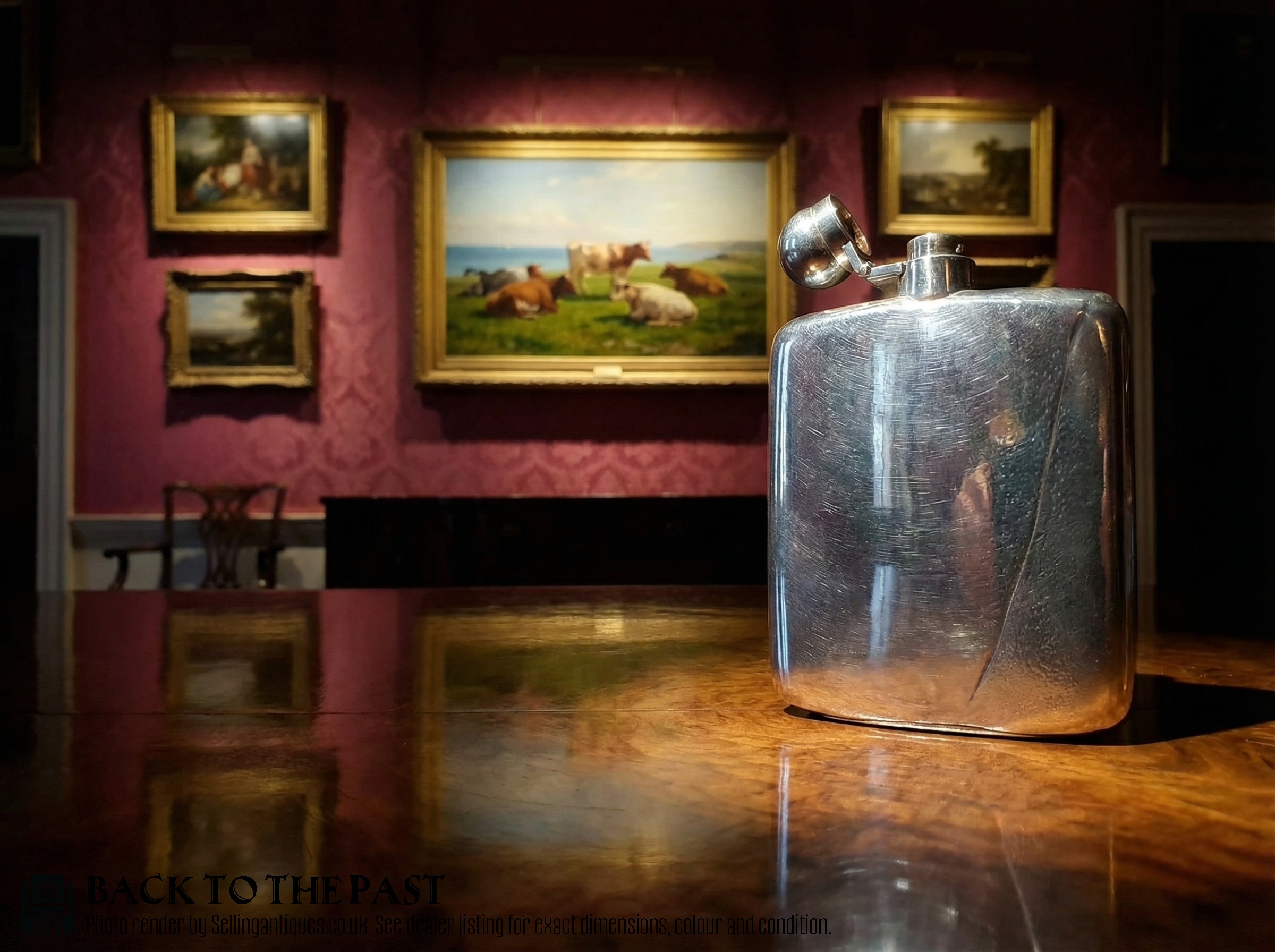
Silver Liquor Flask
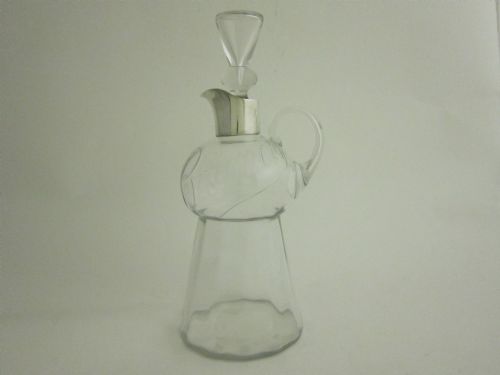
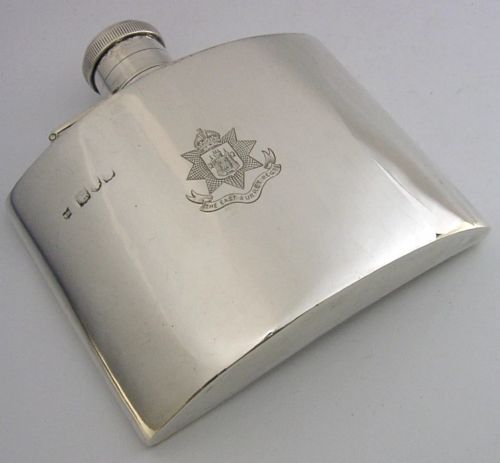
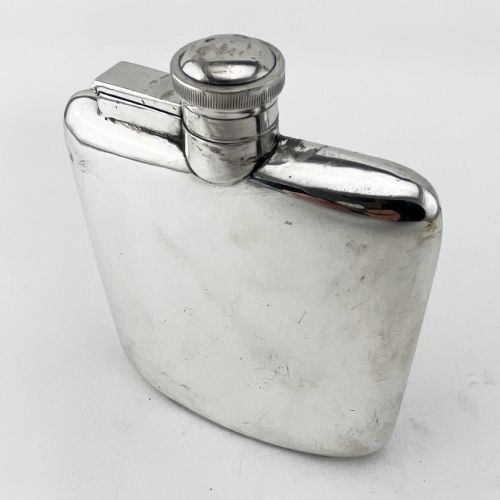
A silver liquor flask encompasses pocket-sized hip flasks alongside table spirits containers like decanters and miniature bottles. The versions most commonly encountered on this page date from the Victorian, Edwardian, and Art Deco eras, shaped for personal travel or hospitality.
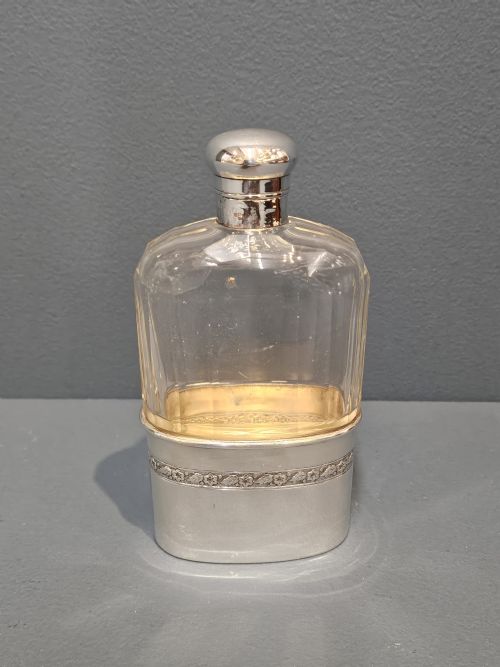
Makers produced these items in sterling silver, silver plate, and crystal or glass combinations, frequently incorporating removable cups or leather cases. Pieces range from plain pocket containers to military issues and large spirit bottles designed for domestic or campaign use.
How they were made
Silversmiths shaped sterling silver and silver plate through hammering, soldering, and engine turning to create rigid bodies that withstood travel. Glass and crystal vessels were blown or cut, then fitted with hinged flip-tops, screw caps, and hallmarked silver mounts.
Makers combined materials by wrapping glass bodies in leather, crocodile-style coverings, or silver overlays, securing the assemblies with tight collars. Integral drinking cups were fitted to the base of hip flasks to provide an immediate vessel for spirits.
Silver Liquor Flask Retail Price Guide 2026
Typical asking prices for silver liquor flask among the pieces listed under this phrase on Sellingantiques today, from the lower quarter to the upper quarter. They describe what is for sale here now, not the wider market.
What varies in quality
Quality rests on the weight of the metal and the precision of the mechanics, particularly where hinges, screw caps, and removable cups meet the body. Solid sterling silver vessels with crisp hallmarks demonstrate higher grade production than plated alternatives.
The clarity of cut crystal and the fineness of leather or crocodile-style casings distinguish superior pieces from standard utilitarian gear. Clean lines and secure, leak-proof closures separate master silversmith work from routine manufacturing.
JB Chatterley & Sons·Elkington·James Dixon & Sons
The Silver Liquor Flask Glossary
- Sterling silver
- A silver alloy containing ninety-two point five percent pure silver by mass, standard for high quality British hallmarked items.
- Silver plate
- A base metal coated with a layer of silver, common in larger flasks and barware.
- Cut crystal
- High clarity glass shaped with deep facets, frequently used for spirit decanters and flask bodies.
- Removable cup
- A metal drinking vessel sliding onto the lower portion of a hip flask.
- Engine turned
- A surface pattern of precise geometric lines engraved by machine onto metal.
- Hallmark
- Official stamps struck into precious metals indicating maker, assay office, and date.
Silver Liquor Flask: Frequently Asked Questions
What is a silver liquor flask?
A silver liquor flask is a portable container designed for carrying spirits, combining metal bodies with glass, crystal, or leather.
These pieces range from pocket-sized hip flasks with removable cups to larger decanters and miniature bottles intended for travel or domestic hospitality.
How do you use a hip flask?
A hip flask is filled with whisky, brandy, or other spirits using a small funnel, then carried in a pocket for outdoor or travel use.
The attached cup allows the user to pour and share a drink directly from the container while on the move.
How do you clean a silver flask?
Clean the exterior metal using a soft cloth and specialised silver polish, taking care to avoid harsh abrasives on hallmarks.
Rinse the interior thoroughly with warm water and let the vessel dry completely before storing spirits inside again.
How do you date a silver flask?
Dating relies on the assay office hallmarks stamped into the silver, which record specific letters for the year of production.
Stylistic cues such as Edwardian leather casing or Art Deco geometric forms also help assign pieces to Victorian or twentieth century periods.
Are glass flasks fragile?
Glass and crystal flasks require careful handling, though many period examples feature protective leather coverings or silver overlays.
Thick cut crystal bodies withstand standard travel when carried securely inside pockets or fitted cases.