


Silver Liquor Bottle Ticket
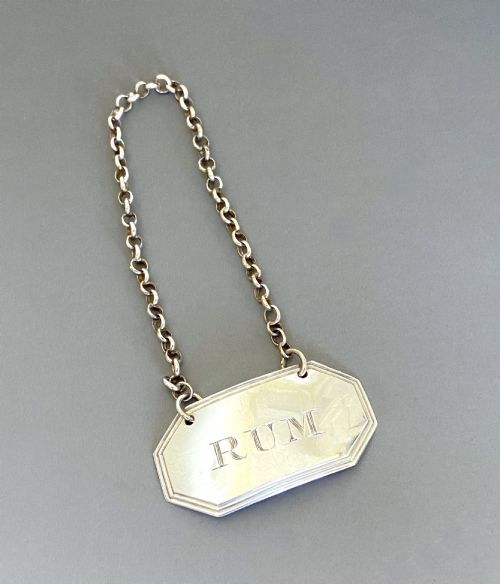
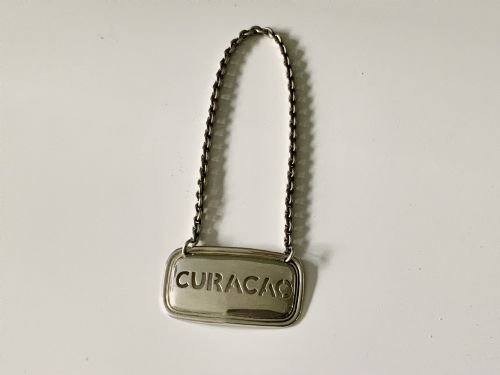
These silver liquor bottle ticket examples are small identifiers hung from decanter necks, essential for marking spirits gracefully.
Silver Liquor Bottle Ticket
A silver liquor bottle ticket hangs by a chain around the neck of a decanter, identifying spirits like rum, sherry, madeira, gin, champagne, and brandy. When you search for this phrase, you encounter small identifiers spanning Georgian, Victorian, Edwardian, and Regency periods.
The objects appear predominantly in sterling silver and solid silver, categorised broadly under barware and decanter labels. You meet individual pieces alongside matched sets, often bearing specific drink titles or initials.
Most examples originate from British silversmiths, with styles encompassing Georgian Regency, Rococo Revival, and Traditional British designs. These markers serve a practical purpose while adding decorative refinement to glassware.
How they were made
Makers fashioned a silver liquor bottle ticket primarily from sterling silver and solid silver. Artisans cut, pierced, or embossed the metal to form shaped plates bearing titles of specific spirits.
Many examples feature hanging chains cast or linked in matching silver. Hallmarks punched onto the reverse record assay offices, dates, and makers.
Miniature "one go" rum labels exist for very small pours.
What varies in quality
The calibre of a silver liquor bottle ticket rests on the crispness of the pierced or engraved lettering and the weight of the metal. Heavier gauge silver provides greater durability and substance in the hand.
Finely chased borders, Rococo Revival scrolls, and original suspension chains elevate individual examples above standard production. Attribution to named makers or provincial assay offices adds further distinction.
Elizabeth Morley·Tiffany
The Silver Liquor Bottle Ticket Glossary
- Decanter label
- A small tag hung from a bottle neck to name its contents. These items are also historically known as bottle tickets.
- Hallmark
- A stamp or series of marks applied to precious metals indicating standard of purity, place of assay, and date of manufacture. British pieces carry distinct town marks and date letters.
- Assay office
- An official body that tested and marked precious metal objects. London, Edinburgh, and other cities maintained separate offices with unique symbols.
- Chasing
- A metalworking technique where a hammer and punches shape and emboss decoration from the front. This adds surface relief without removing material.
- Piercing
- Cutting shapes and lettering directly through the silver sheet. This method defines many openwork border designs on labels.
Silver Liquor Bottle Ticket: Frequently Asked Questions
What is a silver liquor bottle ticket?
A silver liquor bottle ticket is a small metal label hung by a chain around the neck of a decanter to name the spirit inside.
These pieces were developed to identify contents in darkened dining rooms lit by candlelight.
How were bottle tickets used?
They were suspended around the necks of glass decanters to prevent guests from pouring the wrong drink.
Hosts used matched sets to keep various wines and spirits clearly sorted during formal meals.
How do I date an antique ticket?
Dating relies heavily on the style of the engraving, the shape of the shield, and any stamped hallmarks on the reverse.
Georgian and Victorian pieces display distinct lettering styles and decorative motifs that correspond to specific design eras.
Are chains original?
Many pieces retain their original matching silver chains, though replacements occur frequently due to the delicate nature of the links.
Matching hallmarks on both label and chain provide good evidence of originality.
What spirits do they name?
Common inscriptions include rum, sherry, madeira, gin, brandy, and champagne.
Some unusual or custom labels carry specific titles or personal monograms depending on the owner's cellar.