
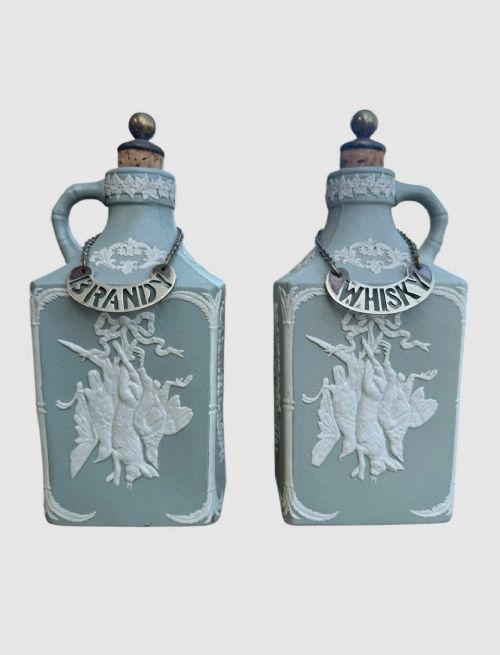


Victorian Bottle Label
A victorian bottle label marks the spirits and medicines of the nineteenth century in gleaming silver and clear glass.
Victorian Bottle Label
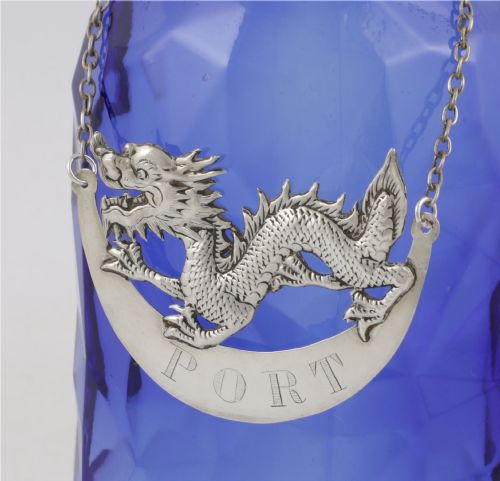
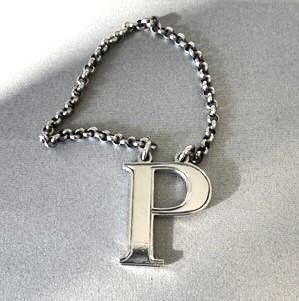
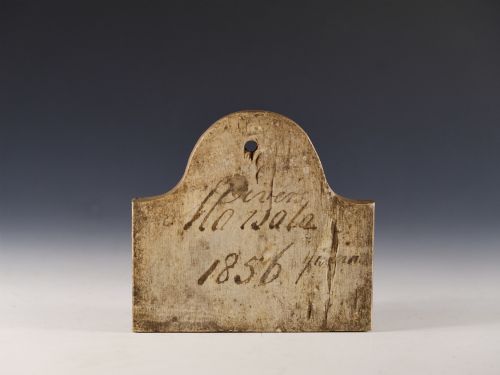
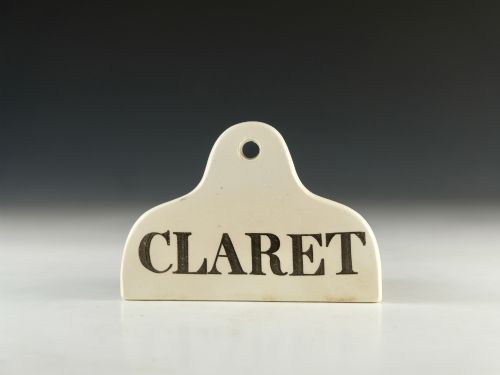
A victorian bottle label identifies decanted drinks like port, sherry, claret, madeira, brandy, and marsala using polished metals. These small tags hang by chains around the necks of glass decanters on sideboards and dining tables.
The materials span sterling silver, silver gilt, and Chinese export silver, often shaped as natural leaves or pierced scrolls. The titles stamped or engraved upon them name specific vintages and cellar bins for orderly households.
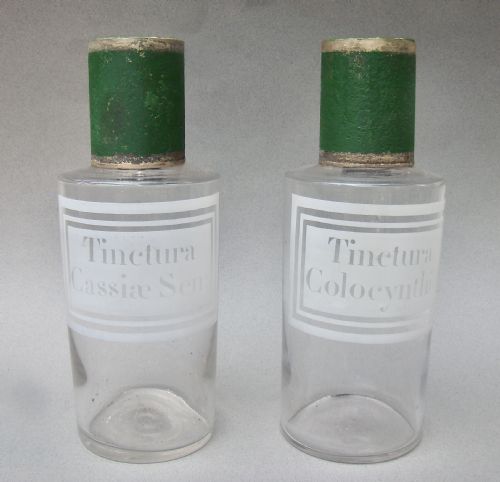
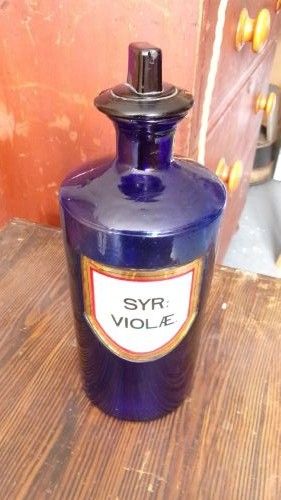
Alongside metal neck tags, the category includes painted paper labels fixed directly to apothecary and chemist jars. These pharmacy vessels held drugs and liquids in shops and dispensaries across the nineteenth century.
Materials and construction
Silversmiths formed metal decanter labels through stamping, casting, and piercing sterling silver sheets. Artisans added gilt highlights and engraved specific wine titles into the polished surfaces.
Glass bottles and apothecary jars relied on free-blowing and mould-blowing techniques in cobalt, Bristol blue, green, and clear glass. Paper labels and gold leaf inscriptions identified the contents applied to the vessel body.
Listings feature 19th-century materials including sterling silver, cobalt glass, paper, and gold leaf across Victorian and Georgian periods.
Judging quality and execution
Quality rests on the crispness of the hallmark stamps, the depth of the hand-engraved lettering, and the weight of the sterling silver. Stronger examples show intricate piercing and well-modelled vine leaf or rococo motifs rather than flat, stamped outlines.
For glass chemist jars, quality depends on the clarity and colour saturation of the cobalt or Bristol blue metal oxides. Intact paper labels and original ground glass stoppers elevate the integrity of surviving pharmacy vessels.
The Victorian Bottle Label Glossary
- Decanter label
- A small metal tag hung around the neck of a bottle to identify the wine within. These items date primarily from the Georgian and Victorian eras.
- Bin label
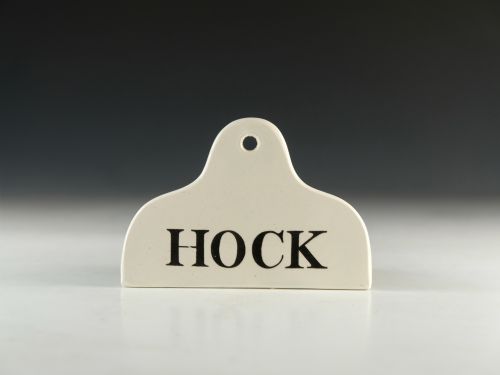
- A small marker placed in a wine cellar or hung on a rack to designate specific vintages. Examples include designations for hock, marsala, and claret.
- Carboy
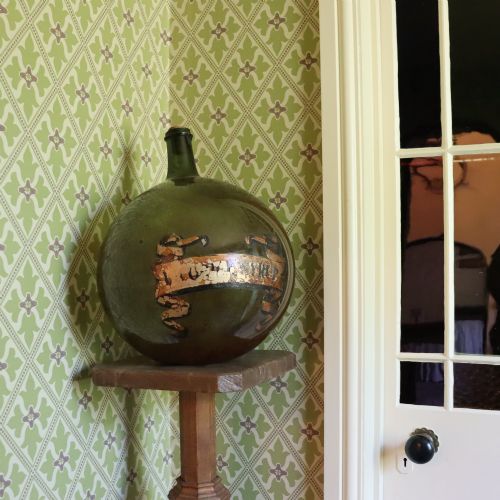
- A large glass vessel with a narrow neck used to store chemical or pharmaceutical liquids. They appear in nineteenth-century apothecary settings.
- Silver gilt
- Silver covered with a thin layer of gold applied through chemical or electrochemical processes. This finish provides a warm, two-tone appearance on decorative wine tags.
Victorian Bottle Label: Frequently Asked Questions
How do I hang a decanter label?
Most metal labels include an attached link chain that slips easily over the bottleneck. Position the tag so the engraved title faces forward while pouring.
Ensure the chain rests loosely below the stopper rim to prevent scratching the glass during daily use.
How do I clean antique silver labels?
Use a soft microfiber cloth and mild soapy water to remove dust and surface tarnish gently. Avoid harsh abrasive dips that strip away delicate highlights.
Store silver pieces in dry environments to slow down natural oxidation processes over time.
What is a Bristol blue bottle?
Bristol blue describes deep cobalt glass produced in English factories during the eighteenth and nineteenth centuries. Apothecaries favoured this striking colour for sensitive ingredients.
These vessels often feature hand-painted white paper labels identifying specific medical drugs.