


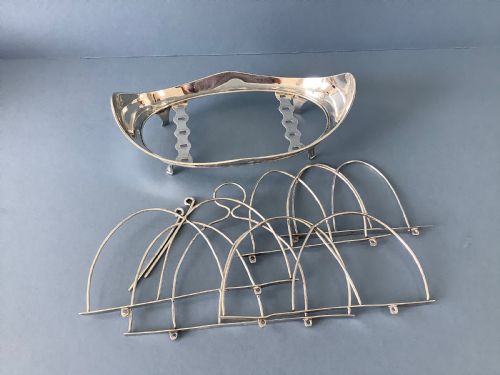
Silver Letter Caddy
A silver letter caddy or associated desktop piece organises correspondence with style, drawing on Georgian, Victorian and Edwardian craftsmanship to grace any writing desk.
Silver Letter Caddy
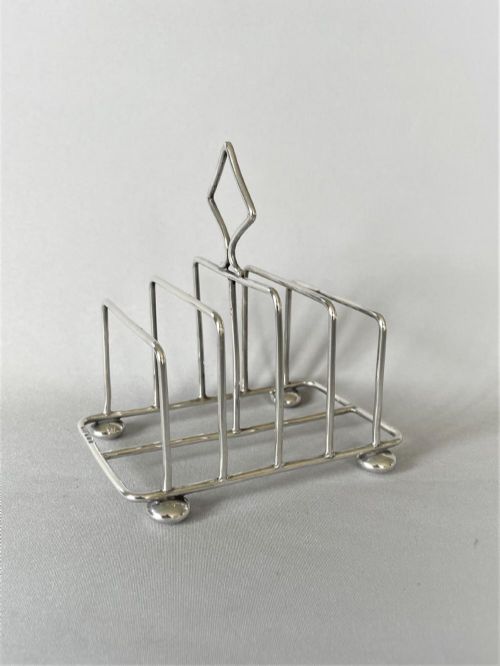
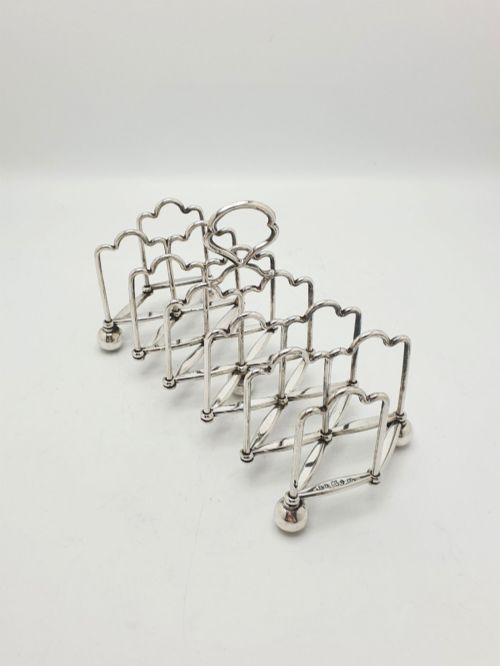
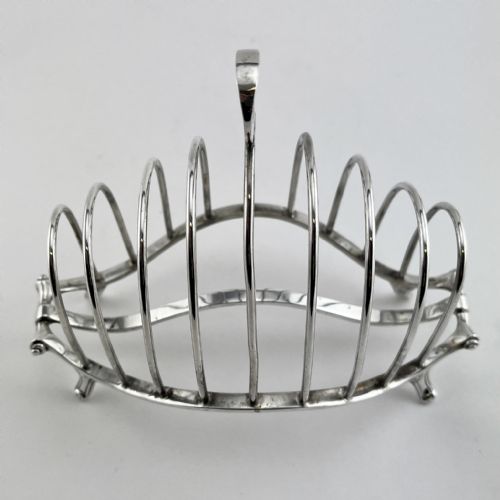
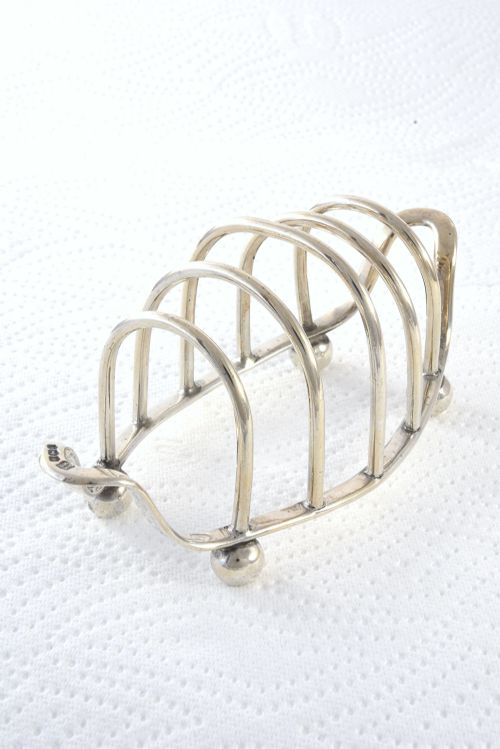
When you search for a silver letter caddy, you are looking at items designed to hold correspondence, stationery and toast, frequently crossing paths with silver toast racks and silver mounted boxes. The pieces on this page span the Georgian, Victorian and Edwardian periods, alongside later twentieth century examples from the nineteen twenties and thirties.
The forms available include trefoil toast racks, extending silver plated designs, and satinwood boxes mounted in silver that were later adapted for stationery. These items reflect both formal breakfast table utility and refined desktop organisation from across the eighteenth, nineteenth and twentieth centuries.
Materials and Construction
Makers utilised sterling silver and silver plate over base metal for the structural frameworks and mounts of these items. The integration of satinwood and general wood bodies with silver mounts demonstrates a combination of cabinet making and silversmithing techniques.
Extending mechanisms and arched divisions required precise metalworking skills to ensure both durability and balance. Silversmiths soldered individual wire or bar sections together to form the distinct racks seen in Georgian and Victorian examples.
Assessing Quality
Quality in these pieces is dictated by the crispness of the silversmith's wirework, the structural integrity of any extending mechanism, and the harmonious integration of silver mounts onto wooden bodies. Superior examples display balanced proportions and robust construction rather than merely decorative surface work.
The choice of materials also separates the standard production from finer creations, particularly where high grade sterling silver meets well figured satinwood or substantial base metal plating that has endured decades of use.
Elkington
The Silver Letter Caddy Glossary
- Sterling silver
- A silver alloy containing 92.5 percent pure silver by mass and 7..5 percent other metals, usually copper. This standard alloy provides the durability required for functional tableware and desktop items.
- Silver plate
- A layer of silver applied to a base metal core such as copper or Britannia metal. This technique offered a more accessible alternative to solid sterling silver during the Victorian era.
- Toast rack
- A table article featuring multiple vertical divisions designed to hold slices of toast upright. Many examples share forms and construction methods with early stationery holders.
- Satinwood
- A durable, lustrous wood with a golden sheen, frequently used in high quality cabinet making during the Georgian period. It often formed the primary body of boxes that received silver mounts.
- Trefoil
- A three lobed decorative shape resembling a clover leaf. In silverwork, this often describes the footprint or loop configuration of a rack divider.
Silver Letter Caddy: Frequently Asked Questions
What is a silver letter caddy?
A silver letter caddy is a desk accessory designed to hold correspondence and stationery, often featuring silver mounts or silver construction.
These pieces overlap in form with toast racks and mounted boxes from the Georgian, Victorian and Edwardian eras.
How were toast racks used on desks?
Many items originally forged as toast racks were later repurposed on writing desks to hold letters and envelopes upright.
This historical crossover between breakfast table ware and desktop organisation is common among surviving antique pieces.
How do I date a silver letter caddy?
Dating relies on hallmarks stamped into the metal, stylistic cues from periods like Sheraton or Art Deco, and construction methods.
Georgian and Victorian pieces display distinct hand soldered wirework compared to later twentieth century manufacturing.
Are wooden boxes with silver mounts common?
Wooden boxes featuring silver mounts appear particularly in satinwood from the late eighteenth century onwards.
Many of these desk boxes were subsequently adapted for stationery use as correspondence habits changed over time.