



Silver Glass Pepper Pot
A silver glass pepper pot brings practical sparkle to the table, combining cut glass bodies with gleaming metal mounts.
Silver Glass Pepper Pot
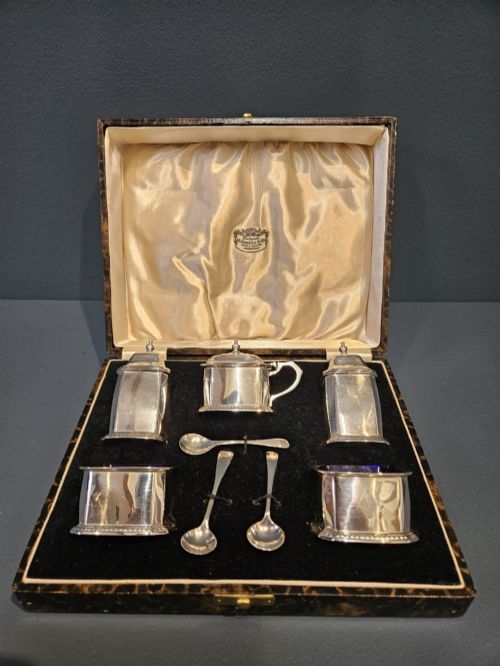
A silver glass pepper pot combines transparent or coloured glass vessels with precious or plated metal mounts. Buyers looking at this phrase encounter small dining table accessories designed to hold and dispense seasoning.
The versions most likely to meet a buyer on this page belong to the Victorian and Edwardian periods, alongside later 20th century examples. These pieces appear both as standalone items and as components within larger cruet sets.
Makers fashioned these condiment containers in diverse forms, from straightforward cylindrical glass jars with pierced silver tops to novelty bird and thistle shapes. The combination of glass and metal reflects dining habits across the nineteenth and twentieth centuries.
How they were made
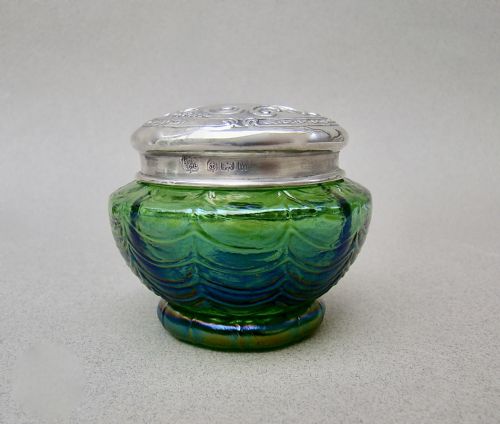
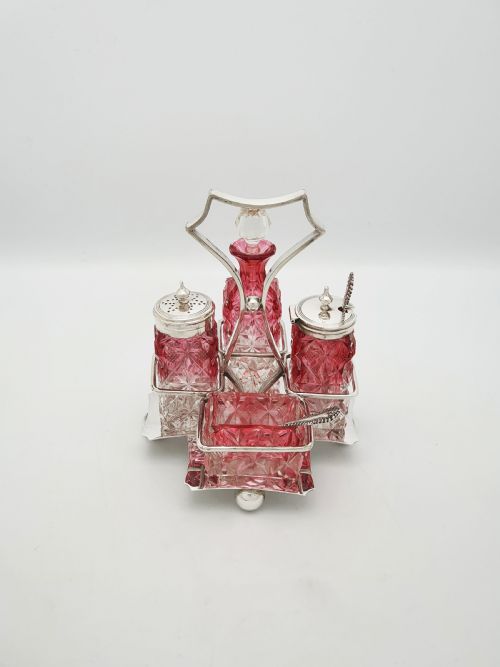
Craftsmen utilised cut glass, cobalt blue glass, and cranberry flashed glass for the bodies, often shaping them with flutes or facets to catch the light. These glass elements provide the translucent lower section of the condiment container.
Silversmiths added sterling silver or silver plate for the pierced tops, collars, and stands. The metal components screw or push onto the glass necks, featuring decorative piercing to allow the pepper to shake through.
Certain pieces integrate wood or velvet elements into stands, while novelty variants employ pewter or moulded metal to form animals and musical instruments.
Listings feature items from the Victorian, Edwardian, and Art Deco periods, utilising sterling silver, silver plate, cut glass, and cobalt blue glass.
What varies in quality
The precision of the glass cutting and the depth of the facets set finer examples apart from simpler moulded wares. Crisp, clean edges on the glass body indicate superior manufacturing standards.
The weight and thickness of the silver or silver plate on the mounts dictate the durability and tactile feel of the object. Substantial metal collars and intricately pierced caps distinguish higher grade items from thin electroplated alternatives.
Novelty forms and pieces bearing clear hallmarks for specific silversmiths demonstrate greater craftsmanship and desirability among collectors.
A. J. Pepper & Co·William Neale·Mappin Brothers·Charles Stuart Harris
The Silver Glass Pepper Pot Glossary
- Cruet set
- A matched collection of bottles, jars, or pots designed to hold condiments like oil, vinegar, salt, pepper, and mustard upon a dining table. These sets often sit within a dedicated silver plated or wooden frame.
- Silver plate
- A base metal, such as copper or nickel brass, coated with a thin layer of pure silver through electroplating or older fusion methods. This technique provided the appearance of solid silver at a lower cost.
- Cranberry glass
- A rich red or pink transparent glass created by adding gold chloride to the molten glass batch. It frequently appears in Victorian cruet bottles and pepper pots.
- Pepperette
- An alternative term for a pepper pot or shaker, commonly used in nineteenth-century and early twentieth-century catalogues. These small vessels feature perforated lids for shaking ground pepper.
- Hallmark
- An official stamp applied by an assay office to indicate the purity of precious metal, the maker, and the year of production. British sterling silver pieces typically display a series of small punched symbols.
Silver Glass Pepper Pot: Frequently Asked Questions
How do I clean the glass safely?
Wash the glass body in warm, soapy water using a soft cloth, taking care to keep any vintage cork lining or delicate silver mounts dry.
Avoid submerging silver plated caps or metal collars in water for extended periods to prevent corrosion of the base metal underneath.
Are these pepper pots safe for daily use?
Most antique glass and silver condiment containers function well for modern dining if handled with reasonable care and cleaned gently after use.
Older electroplated mounts require mild polishing compounds to maintain their finish without wearing away the thin silver layer.
How can I tell Victorian from Edwardian pieces?
Victorian examples often display heavier, more ornate ornamentation with deep cut glass patterns and elaborate novelty shapes.
Edwardian pieces tend to lean towards lighter, refined Edwardian elegance and simpler silhouettes influenced by changing domestic fashions.
Why do some pots have blue glass liners?
Cobalt blue glass liners were used to protect metal frames from the corrosive properties of vinegars and salts held within the cruet set.
In pepper pots, the blue glass adds a decorative contrast beneath pierced silver tops and cut glass facets.