


Vintage Glass Pepper Caster
A vintage glass pepper caster is a small dining table vessel for ground spice, combining utility with period craftsmanship.
Vintage Glass Pepper Caster
When you search for a vintage glass pepper caster, you encounter tabletop accessories originating from periods spanning the eighteenth century through the mid twentieth century. These pieces frequently appear either as individual pepper pots or as components within larger cruet sets and condiment stands.
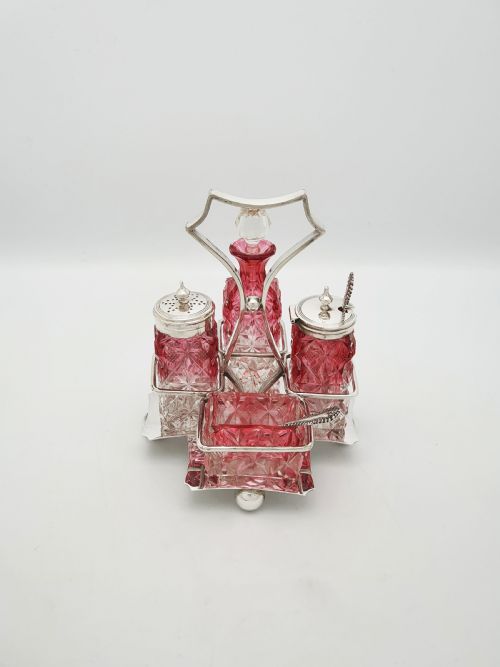
The selections on this page demonstrate considerable variety in form, encompassing Edwardian silver plated frames, Georgian designs, and novelties such as figural animal pepperettes. Glass vessels paired with silver, silver plate, or pewter form the core of the available options.
Makers and manufacturers of these tablewares ranged from standard commercial silversmiths to specific named firms like Walker & Hall, alongside individual silversmiths active during the nineteenth and twentieth centuries.
Materials and construction methods
The construction of these pieces relies heavily on the combination of cut glass bodies with metal mounts, notably sterling silver or silver plate. Artisans shaped the glass through moulding and cutting, producing faceted or flashed surfaces that caught the light on formal dining tables.
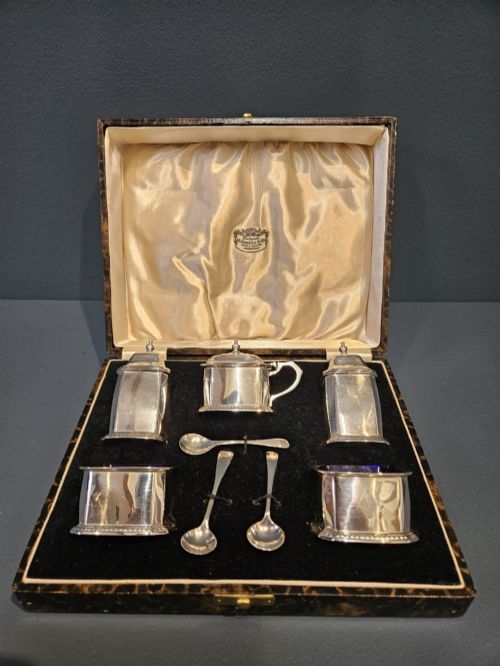
Metal components, including pierced lids and carrying frames, were cast, spun, or soldered by silversmiths and metalworkers. Pewter and specialised alloys also appear in novelty items, while fabric linings such as velvet occasionally feature in fitted presentation cases.
Some nineteenth-century makers turned dinner tables into menageries by shaping pepper pots as faithful dogs and wide-eyed owls.
Distinctions in grade and execution
Quality in these items is determined by the crispness of the glass cutting and the weight of the metal mounts. Heavier gauge silver plating and substantial silver content distinguish standard production wares from finer examples.
The presence of hallmarks, the complexity of the frame design, and the survival of the complete matched set or original bottles elevate the standing of an individual piece.
Goldsmith & Silversmith's·Walker & Hall
The Vintage Glass Pepper Caster Glossary
- Cruet set
- A matched collection of bottles, casters, and jars held together in a metal stand for the dining table. These sets typically contained oil, vinegar, mustard, and pepper.
- Caster
- A small container with a pierced lid used for sprinkling dry condiments like sugar or ground pepper over food. They are often taller than open salt cellars.
- Flashed glass
- Glass that has been coated with a thin layer of coloured glass on top of a clear or contrasting base body before being cut. Cranberry flashed glass is a common example seen in Edwardian tablewares.
- Pepperette
- An alternative historical term for a pepper pot or shaker. The word appears frequently in descriptions of nineteenth-century novelty pepper casters.
- Silver plate
- A base metal, typically copper or nickel brass, coated with a thin layer of pure silver through electroplating or older mechanical methods. This technique allowed makers to produce domestic wares that resembled solid silver at a lower cost.
Vintage Glass Pepper Caster: Frequently Asked Questions
What is a pepper caster used for?
A pepper caster serves to dispense ground black or white pepper onto food at the dining table. The pierced lid allows the spice to be shaken evenly over dishes during or after meal preparation.
Historically, these vessels sat alongside mustard pots and oil cruets within a frame at the centre of the table for easy access by diners.
How do I clean silver plated mounts?
Silver plated mounts require gentle cleaning with a soft cloth and a specialised silver polish that does not contain harsh abrasives. Care must be taken to avoid getting polish trapped in the pierced holes of the pepper lid.
Wash the glass body separately in warm soapy water and dry thoroughly before reassembling the piece to prevent moisture damage to the metal.
How can I date a glass pepper caster?
Dating relies on stylistic clues, glass cutting techniques, and any metal hallmarks present on the silver lids or collars. Edwardian and Victorian pieces often exhibit distinct manufacturing marks or registry numbers stamped into the metal.
Comparing the form of the cut glass and the design of the cruet frame to documented periods helps narrow down the decade of manufacture.
Are these pieces safe to use daily?
Many vintage pepper casters remain fully functional for modern dining provided the glass and metal components are structurally sound and clean. Inspecting the interior for residue and ensuring the shaker lid fits securely is advisable before use.
Gentle hand washing is recommended rather than placing antique glass and silver plate into a mechanical dishwasher.