
Silver Glass Dressing Bottle
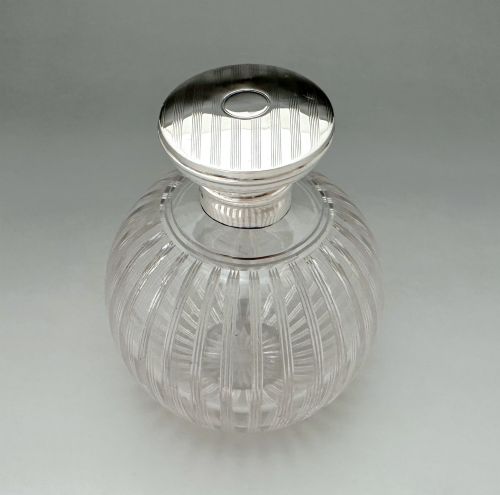
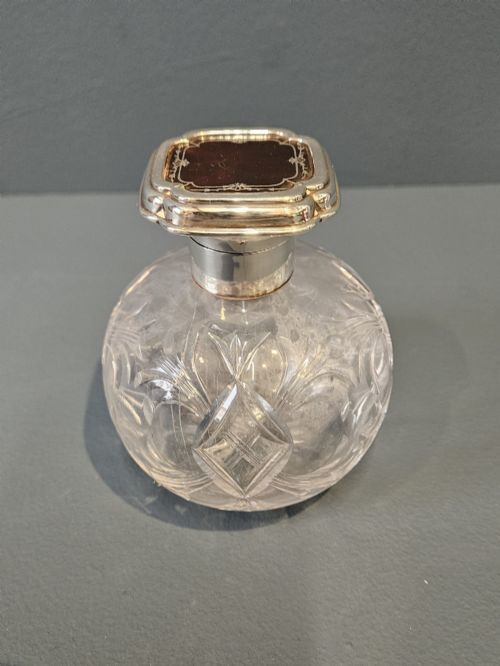
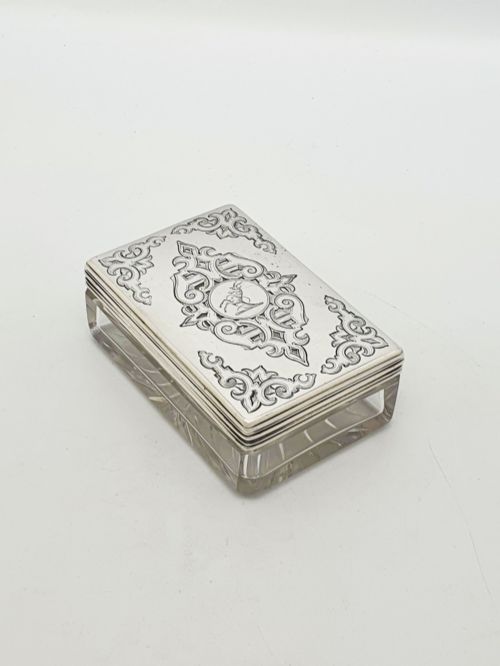
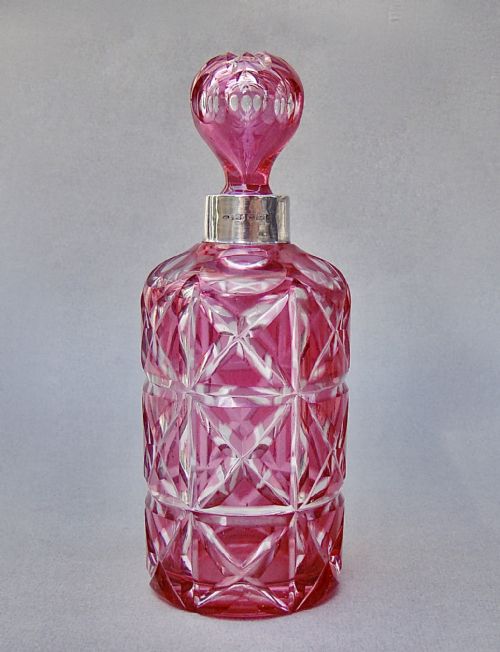
A silver glass dressing bottle brings together heavy cut crystal and gleaming metal mounts to sit upon a dressing table.
Silver Glass Dressing Bottle
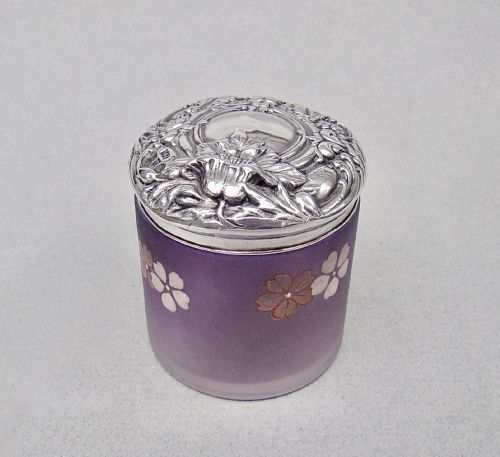
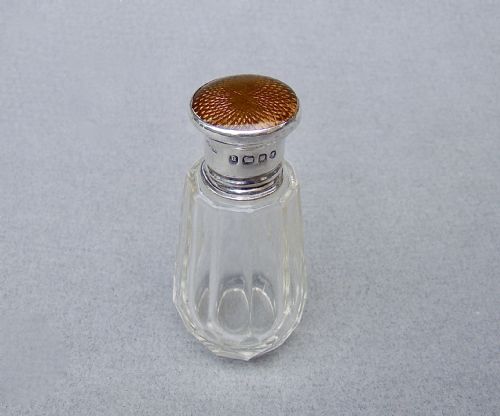
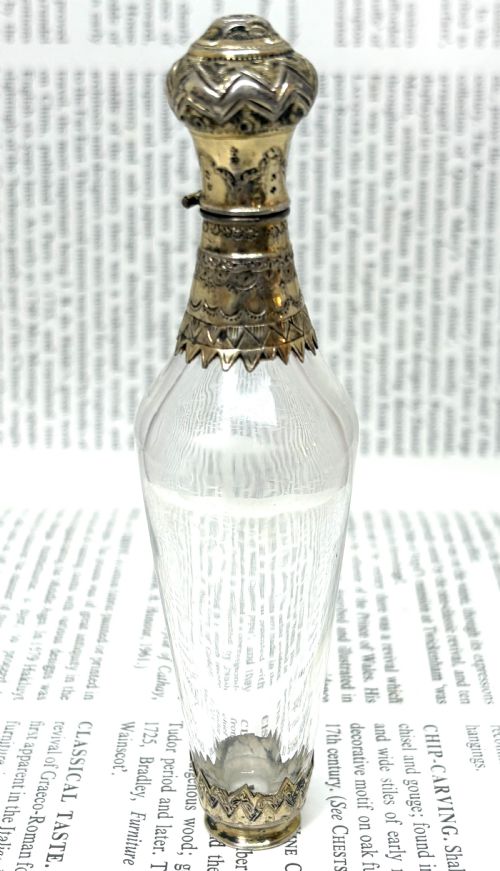
A silver glass dressing bottle functions primarily as a vanity container for perfumes, colognes, and toiletries, featuring a protective metal collar and cap. These vessels span various periods from the nineteenth century through the Art Deco era, encompassing both British hallmarked designs and continental European works.
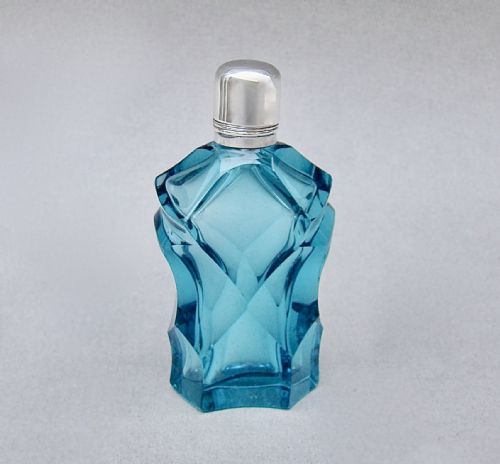
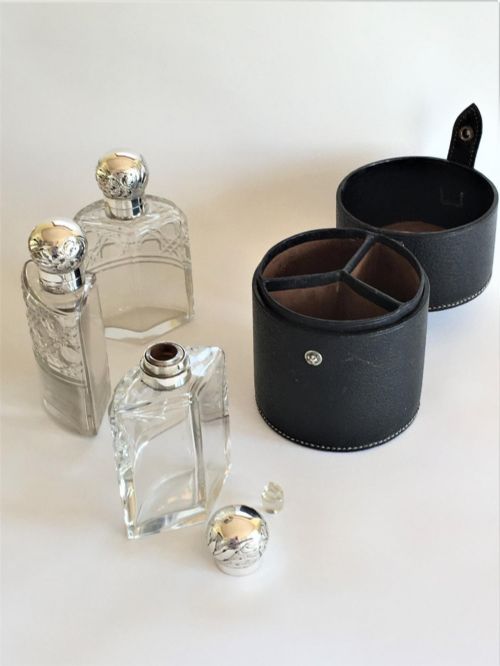
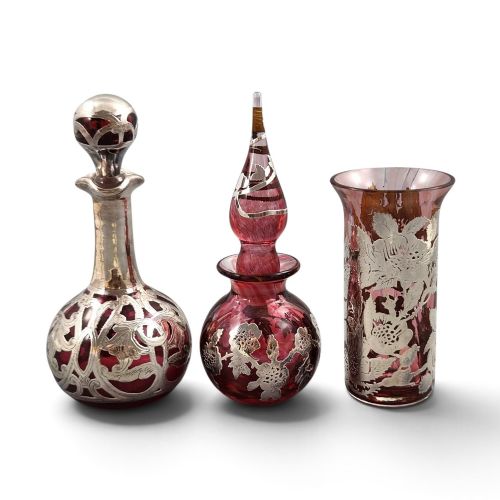
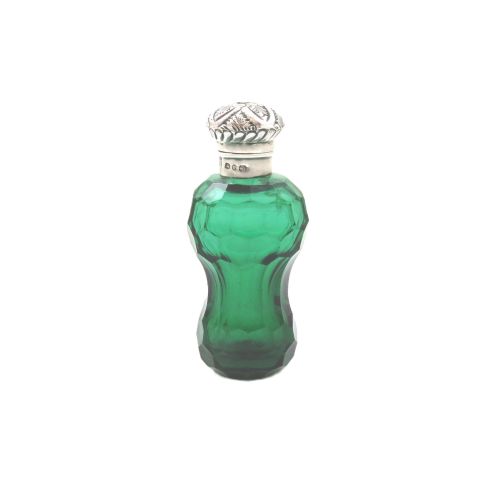
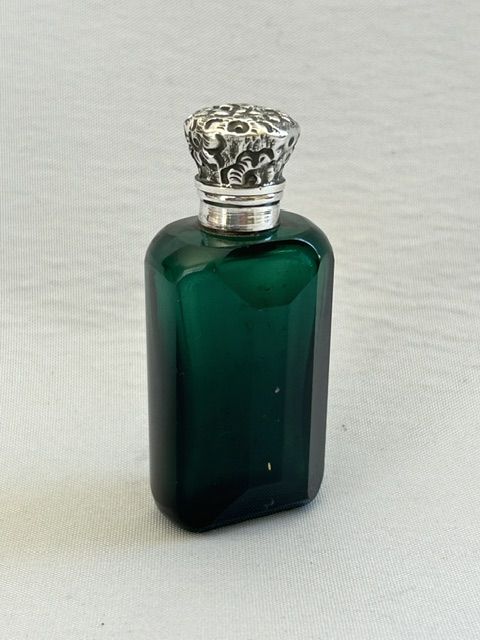
Collectors encounter numerous forms, ranging from single faceted flasks to matching travelling trios and larger dressing table jars. The glass body frequently displays rich hues such as teal, ruby, cranberry, Bristol green, and amethyst, alongside clear cut crystal and frosted surfaces.
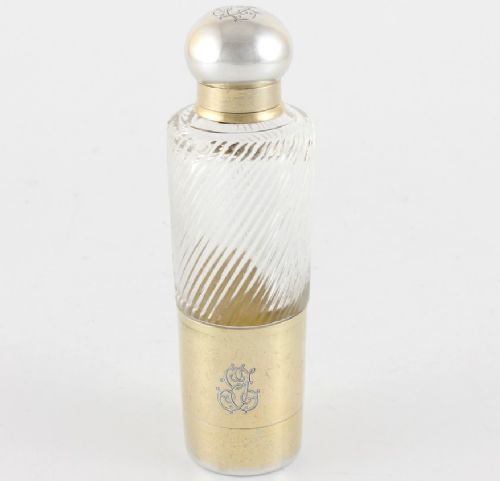
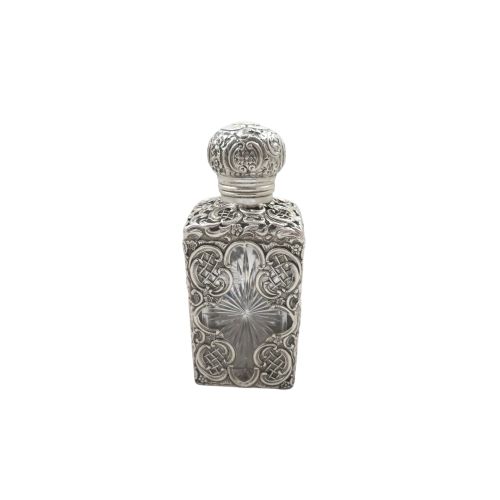
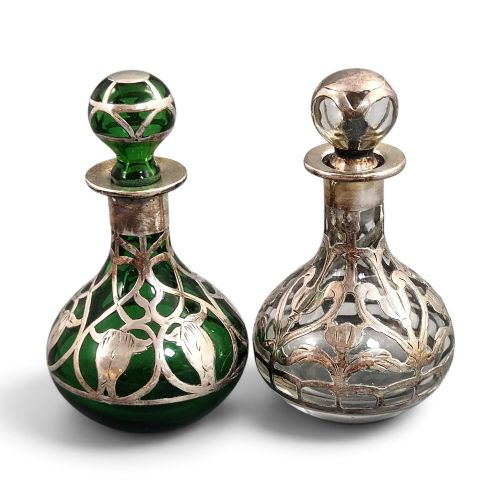
Makers often paired the glass with sterling silver, silver gilt, or tortoiseshell, sometimes incorporating intricate enamel work or silver overlay. The surviving pieces demonstrate the evolution of dressing table accessories from the Victorian period into the twentieth century.
Materials and construction methods
Craftsmen shaped the vessels using blown or moulded glass techniques, subsequently applying wheel-cut facets to clear crystal or coloured glass bodies. The metal components, predominantly sterling silver, were cast or stamped before receiving hand-engraved details or applied silver overlays.
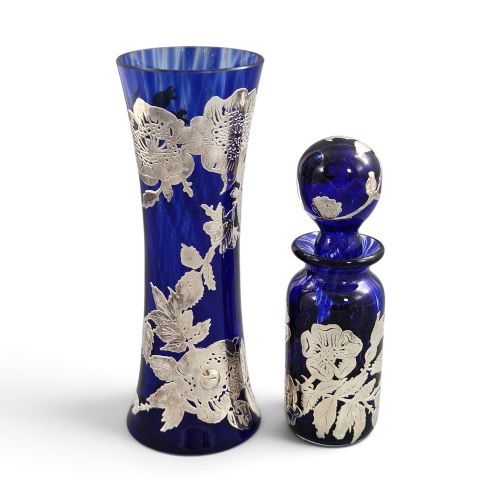
Coloured glass variations relied on metallic oxide additives during the melting process to achieve deep blue, green, or red tones. Enamelled and guilloche elements were fused to the silver mounts through high-temperature firing, while tortoiseshell panels were carefully pinned or secured into the metal framework.
Materials recorded across the inventory include sterling silver, cut glass, enamel, and tortoiseshell.
Evaluating craftsmanship and distinction
Quality rests upon the depth and crispness of the glass cutting, where sharper facets catch the light more effectively than soft or moulded impressions. The weight of the metal mount and the precision of the hinge or screw thread indicate the original workshop's standard of production.
The presence of undamaged enamel work, intact silver overlay, or unusual glass colours such as cranberry and amethyst elevates an example above standard transparent pieces. Complete sets and items bearing clear hallmarks with identifiable maker marks offer greater historical clarity.
Gorham·Laugharne Glass·Harold Bushell and Co·Henry Perkins·Karl Palda·Barnsley and Co·Adie Brothers Ltd·Mappin and Webb·Tonnel Paris·Asprey
The Silver Glass Dressing Bottle Glossary
- Guilloche
- An intricate mechanical engraving technique that produces precise, repeating geometric patterns beneath a translucent enamel layer.
- Sterling silver
- A silver alloy containing substantial pure silver content alongside other metals to ensure structural durability for dressing table mounts.
- Silver overlay
- Decorative metal work permanently fused or applied directly onto the exterior surface of a glass vessel.
- Slice-cut
- A glass cutting technique utilising flat, broad planes to create reflective facets across the body of a bottle.
- Hallmark
- Official stamped markings on metal components indicating the assay office, standard of metal, and date of manufacture.
Silver Glass Dressing Bottle: Frequently Asked Questions
How were these bottles used?
These containers held personal fragrances, colognes, and smelling salts for daily grooming rituals at the dressing table. Owners kept them filled within domestic bedrooms or packed them into fitted travel cases.
The secure screw caps and stoppers prevented liquid evaporation and spilling during transit. Matching trios allowed users to separate different scents for day and evening use.
What periods do these pieces represent?
The examples span the Victorian, Edwardian, and Art Deco eras, alongside George V and late twentieth-century studio glass works. Victorian pieces often feature deep-coloured glass and heavy silver mounts, while Art Deco designs showcase geometric enamel.
Twentieth-century variations introduce cleaner lines and different manufacturing techniques. Earlier nineteenth-century specimens occasionally display French silver gilt or continental origins.
How do I care for silver and glass?
Clean the glass body using warm water and mild detergent while keeping moisture away from any internal cork or paper liners. Polish the silver mounts gently with a soft cloth to avoid disturbing applied enamel or tortoiseshell panels.
Store the bottles away from direct sunlight to preserve the rich colours of the glass. Avoid submerging items that feature glued components or delicate hinged lids.
How do I identify a silver mount?
Examine the metal collar or lid for stamped hallmarks, which indicate the assay office and the year of production. British pieces typically show standard marks like the lion passant alongside maker initials.
Continental items often feature alternative national control marks denoting silver purity. These tiny stamps help verify the exact age and origin of the metalwork.