
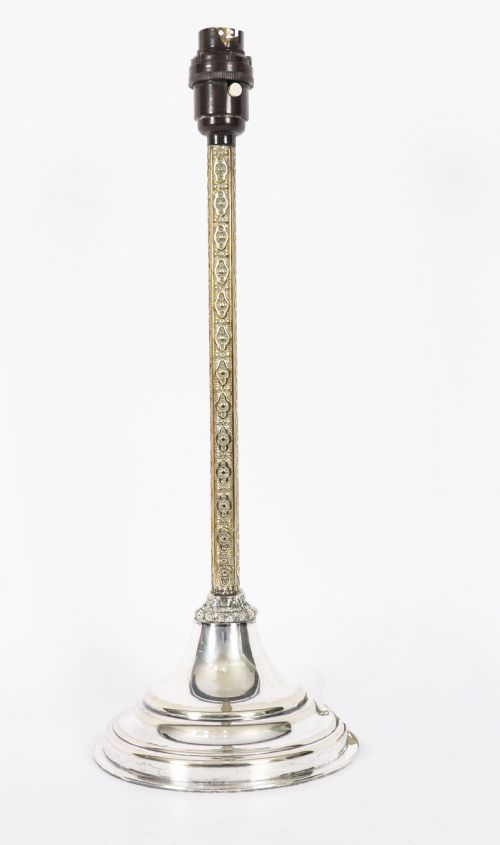
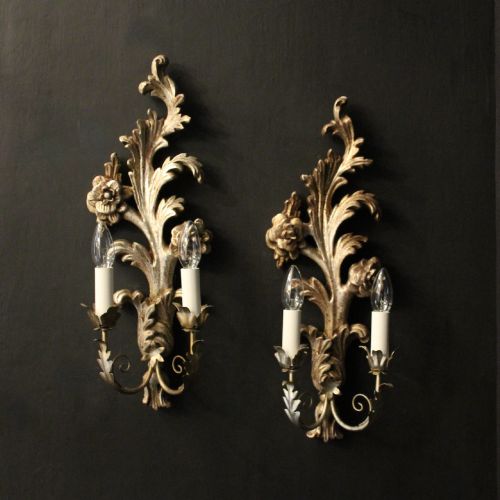
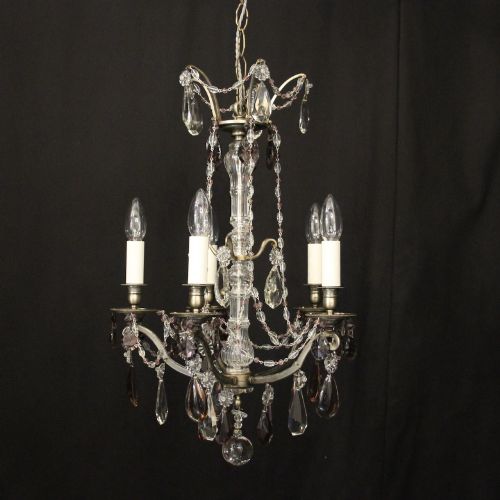
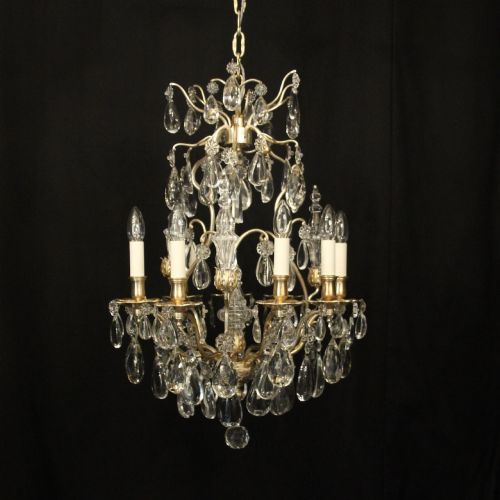





Silver Gilt Lighting
Silver gilt lighting brings together gilded surfaces and reflective crystal across chandeliers, wall lights, and candelabra from the seventeenth century to the mid-twentieth century.
Silver Gilt Lighting
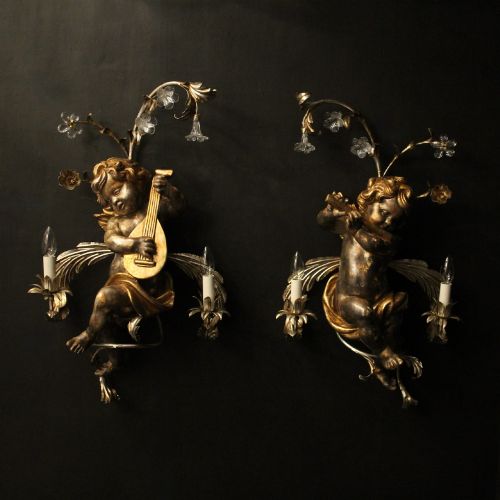
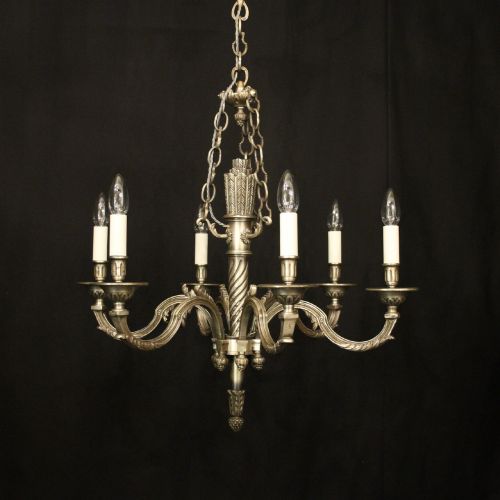
Silver gilt lighting comprises illumination fixtures treated with silver leaf, silver giltwood, or silver gilding over bronze, brass, wood, and metal. When searching for silver gilt lighting, buyers encounter multi-light chandeliers, wall sconces, candelabra, and table lamps originating from French, Italian, and Florentine workshops.
Stylistic influences lean towards French Rococo, French Neoclassical, and Italian Rococo Revival, often incorporating carved cherubs, floral motifs, and gilded armatures. Pieces span centuries of design, reflecting both formal domestic interiors and ecclesiastical settings.
Materials and construction
Makers utilised carved wood, giltwood, bronze, and brass as structural bases for applying silver leaf and silver gilding. Wooden components, particularly in Florentine wall lights and Italian altar candlesticks, relied on hand carving before the application of silvered finishes.
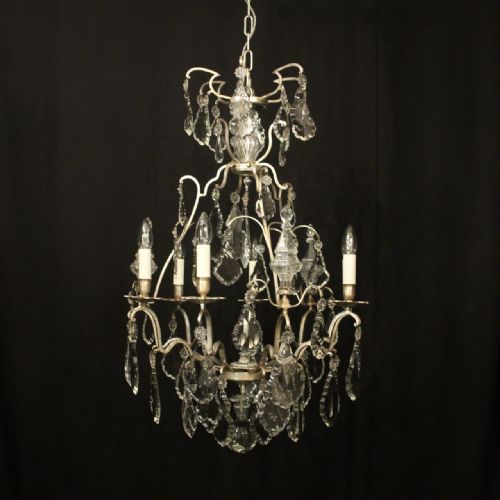
Bronzes and metals were cast into complex multi-light armatures, sometimes incorporating Murano glass and crystal drops to enhance light reflection. Giltwood surfaces combined gold and silver leaf techniques to achieve layered, luminous tones across arms and backplates.
Listings include French chandeliers, Florentine wall lights, and Italian altar candlesticks spanning wood, bronze, crystal, and silver leaf.
Judging quality in silver gilt lighting
Quality rests in the crispness of the hand-carved wooden details, the precision of bronze casting, and the integrity of the original silver gilding. Superior examples maintain intact silver leaf and well-defined ornamentation, such as carved cherubs and acanthus leaves, without heavy modern intervention.
The harmony between structural metalwork or carved wood and integrated crystal elements defines the higher tier of these pieces. Original wiring components, balanced arm proportions, and authentic period patination separate exceptional chandeliers and wall sconces from standard reproductions.
Mappin & Webb
The Silver Gilt Lighting Glossary
- Silver gilt
- Metal or wood coated with a thin layer of silver leaf or applied silver. This finish provides a bright, reflective surface distinct from standard gold gilding.
- Giltwood
- Timber, usually lime or pine, that has been prepared and coated with gold or silver leaf. It forms the carved structure of many Florentine wall lights and mirrors.
- Sconce
- A wall-mounted lighting fixture designed to hold candles or electric lamps. These often feature multiple arms and decorative backplates.
- Candelabra
- A multi-branched candlestick holder designed to support several candles simultaneously. They frequently appear in bronze or carved wood with silvered finishes.
- Mecca
- A traditional transparent yellow or golden lacquer applied over silver leaf to imitate gold. It creates a warm, aged tone on eighteenth-century Italian woodwork.
Silver Gilt Lighting: Frequently Asked Questions
What periods do these pieces span?
The lighting options displayed on this page span from the seventeenth century through the nineteenth century and into the twentieth century, specifically covering the nineteen-twenties, thirties, and forties.
Earlier items include eighteenth-century Italian altar candlesticks, while later decades offer French chandeliers and Florentine wall lights reflecting traditional revivalist styles.
How were silver gilt chandeliers wired?
Original period chandeliers and wall sconces were manufactured exclusively for candles before being adapted for electricity during later restorations. Many twentieth-century pieces incorporate internal wiring channels running through cast bronze or brass arms.
Buyers should inspect existing electrical fittings to determine whether rewiring is required for modern installation standards.
Where were silver gilt wall lights made?
The geographical origins recorded in these pieces are primarily French and Italian, with a strong representation of Florentine craftsmanship. French workshops specialised in cast bronze chandeliers and lanterns.
Italian makers focused heavily on carved giltwood wall lights and wooden altar-style candlesticks utilising silver leaf.
How do I clean silver gilt surfaces?
Silver gilt surfaces require delicate maintenance using a soft, dry duster to remove surface dust without abrasive pressure. Liquid polishes and chemical cleaners must be avoided entirely because they strip away the thin layer of silver leaf.
Professional restoration is recommended for pieces showing significant tarnishing or loss of the underlying gesso and leaf.