


Silvered Brass Pendant
These silvered brass pendant fixtures catch the light beautifully and bring genuine period character to a high ceiling.
Silvered Brass Pendant
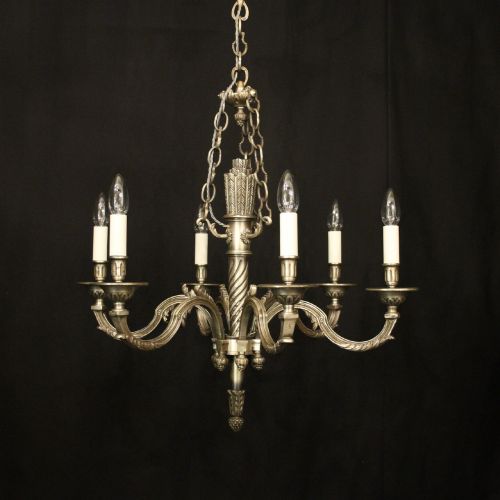
When you search for a silvered brass pendant, you are looking at hanging light fixtures and lanterns that feature reflective metallic finishes suspended from above. The selection on this page draws heavily from early twentieth century French designs and Edwardian English interiors, spanning eras from the Victorian period through to the nineteen thirties. These objects take the form of multi armed chandeliers, hall lanterns, and single drop glass pendant lights designed to illuminate grand spaces.
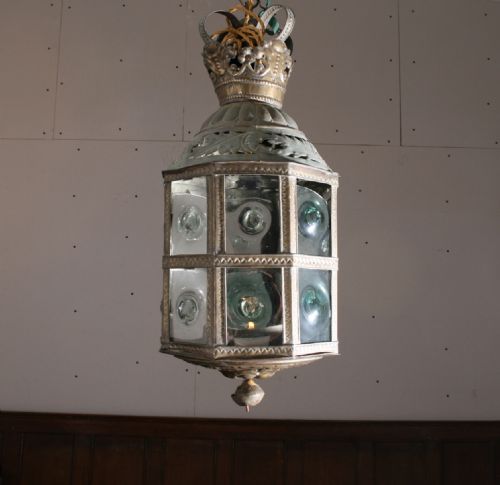
The pieces available most frequently showcase French Neoclassical, Rococo, and Chateau styles alongside sturdy Edwardian brasswork. Buyers will encounter robust steel and brass combinations, mercury mirrored glass shades, and large scale lanterns fitted with hand blown bullseye glass. Each example brings a distinct architectural presence shaped by its original nineteenth or twentieth century setting.
How they were made
Makers utilised solid brass, bronze, and steel frameworks, often applying silver plating or silver gilding to create a brilliant reflective surface. Glass components were hand blown, incorporating mercury mirrored finishes or thick bullseye lenses to diffuse and amplify the candle or early electric light within. Structural elements were cast, forged, and assembled by hand to support the heavy glass and metal weights required for large chandeliers and lanterns.
Details across the surviving inventory point to traditional metalworking techniques combined with specialised glass production. Gilded bronze and silvered brass received careful hand finishing to achieve the subtle patination seen today. The integration of crystal droplets and cut glass panels further demonstrates the high level of craftsmanship involved in period lighting construction.
Bullseye glass lenses were originally spun by hand, leaving a charming thumbprint swirl right in the glass.
What varies in quality
The distinction between ordinary and exceptional pieces lies in the crispness of the cast metal ornamentation and the weight of the frame. Superior examples feature deeply chased brass or bronze details, substantial proportions, and original hand blown glass rather than later replacements. The quality of the silver gilding or plating also dictates longevity, with finer applications retaining their reflective lustre evenly across intricate scrollwork and arms.
Scale and ambition separate standard domestic fixtures from grander architectural commissions. Multi armed chandeliers with crystal elements and large lanterns housing mercury mirrored glass demonstrate superior workshop capabilities from the nineteenth and early twentieth centuries. The integration of robust steel framing with delicate brass mounts marks out the most accomplished makers of the period.
The Silvered Brass Pendant Glossary
- Mercury glass
- A double walled glass blown with a silvering solution trapped between the layers, creating a reflective mirrored appearance. This technique was popular during the Victorian and Edwardian eras for decorative pendant lights.
- Bullseye glass
- A thick, round pane of glass featuring a central circular knob or protrusion where the glassblower's pontil rod was detached. It distorts light wonderfully when used in heavy hall lanterns.
- Gilded bronze
- Bronze metal coated with a thin layer of gold or silver leaf, providing a durable and luminous finish. It was extensively used in French Neoclassical and Rococo lighting design.
- Silver plate
- A thin layer of silver bonded to a base metal core such as brass or copper. This method allowed makers to achieve the look of solid silver at a more accessible scale.
- Chandelier
- A branched ornamental light fixture suspended from the ceiling designed to hold multiple candles or bulbs. These fixtures often incorporate glass pendants and crystal prisms to multiply illumination.
Silvered Brass Pendant: Frequently Asked Questions
How do I hang a heavy pendant light?
Suspended lighting fixtures require secure anchorage into ceiling joists or structural nogging using appropriate metal hooks and chains capable of supporting the full weight of the brass and glass frame. Professional installation is strongly advised to ensure the electrical wiring meets current safety standards.
Weight distribution matters immensely with large multi armed chandeliers and oversized steel lanterns. Consult a qualified electrician before mounting any antique fixture to your ceiling.
Can I use modern bulbs in these fittings?
Most period hanging lights can accommodate modern LED bulbs provided the Edison screw or bayonet fitting matches the existing internal wiring. It is essential to check the maximum wattage recommendations of the lamp holder to prevent overheating.
When working with fragile hand blown glass shades and mercury mirrored panels, low heat LED options help preserve the historic materials. An electrician can safely update internal wiring while retaining the original sockets where possible.
What period do these light fittings come from?
The lighting inventory spans from the nineteenth century through the Edwardian era and into the nineteen twenties and thirties. Pieces from the eighteen fifties sit alongside Art Deco designs from nineteen thirty.
Stylistic cues such as French Rococo scrolls, Gothic Revival ironwork, and streamlined nineteen twenties geometry help pinpoint the exact era of manufacture. Examining the construction methods offers further clues to the date.