



Silver Gemstone Necklace
A silver gemstone necklace brings together precious minerals and lustrous metal across periods from Georgian crosses to mid-century modernist designs.
Silver Gemstone Necklace
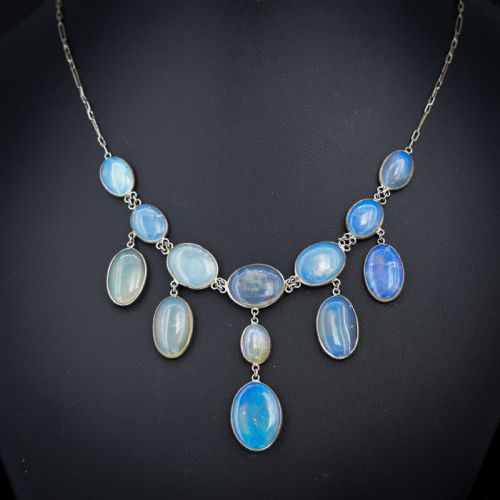
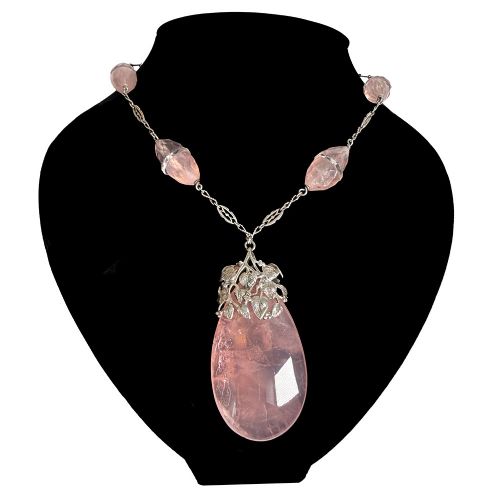
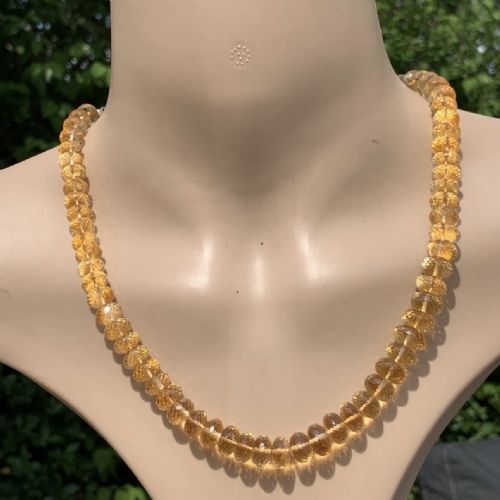
When you search for a silver gemstone necklace, you encounter pieces spanning the Georgian, Victorian, Edwardian, Arts and Crafts, Art Nouveau, Art Deco, and mid-century eras. The forms range from simple pendant drops and cross pendants to elaborate festoons, sautoirs, and beaded strands with silver clasps.
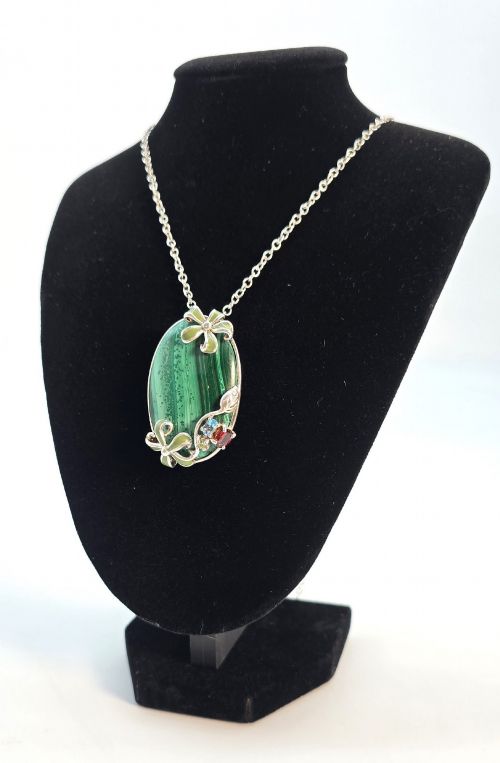
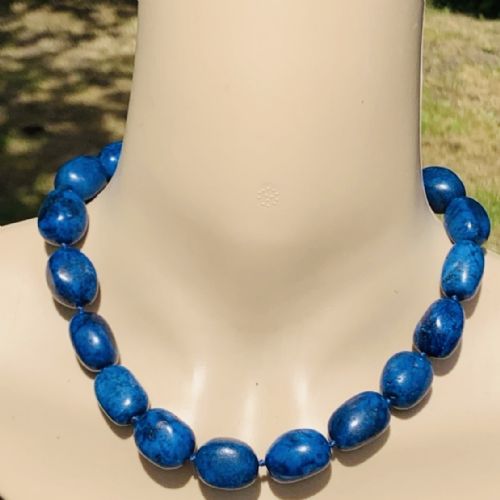
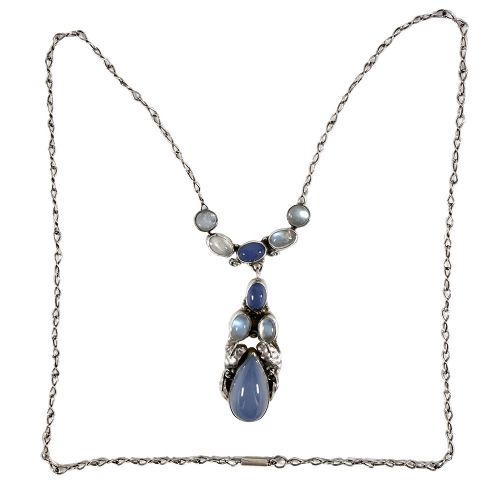
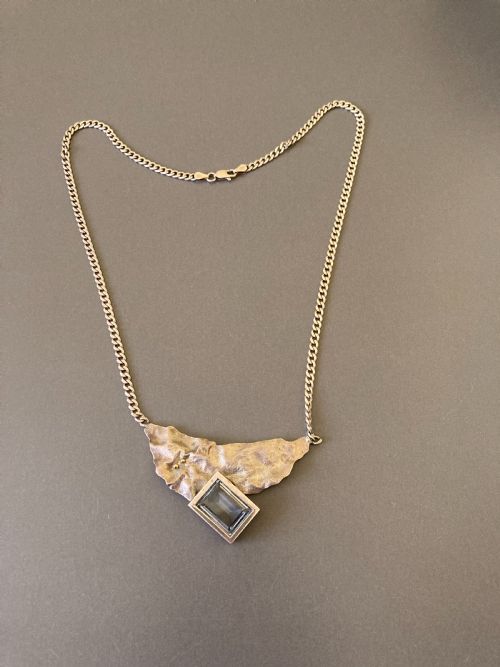
Arts and Crafts and Art Nouveau examples frequently pair silver with moonstones, amethysts, and enamel work, whilst mid-century pieces often showcase single large stones such as citrine, lapis lazuli, or blue topaz in clean settings.
How they were made
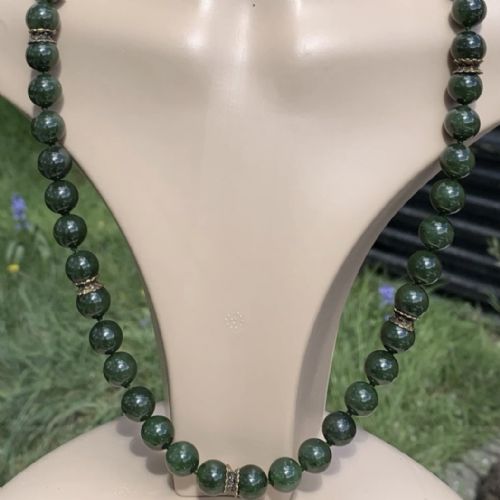
Makers utilised sterling silver, silver gilt, and occasionally gold combinations alongside a diverse array of stones including opal, nephrite jade, chalcedony, chrysoprase, and rock crystal. Techniques such as plique-à-jour enamel add translucent colour to metal frameworks.
Construction methods vary from hand-beaded gemstone strands with silver clasps to elaborate wirework, collet settings, and fringe drops characteristic of early twentieth-century workshops.
Some Edwardian designers managed to incorporate enough opal fringe and festoon drape into a single necklace that the wearer required a tactical breathing strategy.
What varies in quality
The distinction between standard and exceptional pieces lies in the artistry of the metalwork and the selection of the gemstones. Master jewellers from periods like the Arts and Crafts movement achieved balance through hand-wrought silver settings that complement rather than overpower the natural stones.
Workmanship is evident in the execution of fine details such as enamel work, secure stone settings, and the harmonious arrangement of multiple gem types within festoon and multi-stone necklaces.
Amy Sandheim·Mary Thew·Dorrie Nossiter·Liberty and Co·John Paul Cooper·Theodor Fahrner
The Silver Gemstone Necklace Glossary
- Festoon
- A necklace featuring a curved drape of chains, beads, or drops suspended across the collarbone. This style was particularly favoured during the Edwardian and Arts and Crafts periods.
- Plique-à-jour
- An enamelling technique where the enamel is applied without a backing, creating a stained-glass effect that lets light pass through the transparent or translucent colour.
- Silver Gilt
- Silver that has been coated with a thin layer of gold, providing a warm golden tone while retaining a silver base. This finish appears frequently in Art Nouveau and period pieces.
- Sautoir
- A long necklace, often featuring a pendant or tassel at the end, which gained popularity during the early twentieth century.
- Paste
- Hand-cut and polished glass used to imitate gemstones, often foiled on the reverse to enhance brilliance as seen in Georgian cross pendants.
Silver Gemstone Necklace: Frequently Asked Questions
How do I date a silver gemstone necklace?
Dating relies on stylistic clues, mounting techniques, and the cut of the stones. Georgian and Victorian pieces often use closed-back settings and foiled paste, whilst Arts and Crafts examples display hand-hammered silver and moonstones.
Later mid-century pieces tend toward clean lines and large faceted stones like citrine or blue topaz. Examining the clasp and any maker's marks provides further chronological context.
What is the difference between a pendant and a necklace?
A necklace refers to any decorative band or chain worn around the neck, which may include beads, stones, or integrated metal elements distributed along its length.
A pendant is a specific ornament that hangs loose from a chain or collar. Many antique pieces combine both terms by featuring a central pendant suspended from a detailed silver chain or festoon.
How were these necklaces worn originally?
Victorian and Edwardian necklaces were often chosen to complement high-collared garments or evening gowns, with festoon designs resting across the upper chest. Sautoir necklaces were worn long, sometimes looped or layered over flapper dresses during the Art Deco era.
Shorter pendant drops and cross pendants sat close to the collarbone on delicate silver chains.
Are all the stones natural?
The stones span a wide spectrum from natural amethyst, moonstone, opal, and turquoise to historical alternatives such as foiled paste used in Georgian jewellery. Each era favoured specific materials, from the cabochon moonstones of the Arts and Crafts movement to the faceted citrines of the nineteen-fifties.
Examining the internal characteristics under magnification helps distinguish natural minerals from glass or synthetic substitutes.