



Silver Teardrop Pendant
These silver teardrop pendant pieces combine bright metalwork with tapered stones, offering collectors a wearable piece of history from multiple distinct eras.
Silver Teardrop Pendant
A silver teardrop pendant brings together polished silver settings and distinctive tapered drop forms. When you search for this phrase, you find items spanning Victorian, Edwardian, Arts and Crafts, Art Deco, and Mid-Century periods.
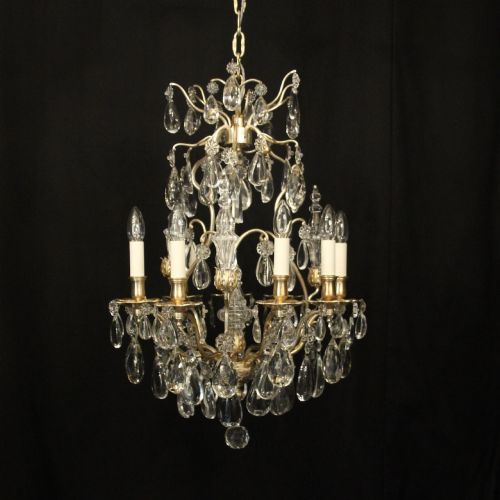
The evidence shows these pieces frequently appear alongside related drops, necklaces, earrings, and larger chandeliers. Most examples on this page date from the early twentieth century, particularly the nineteen-thirties.
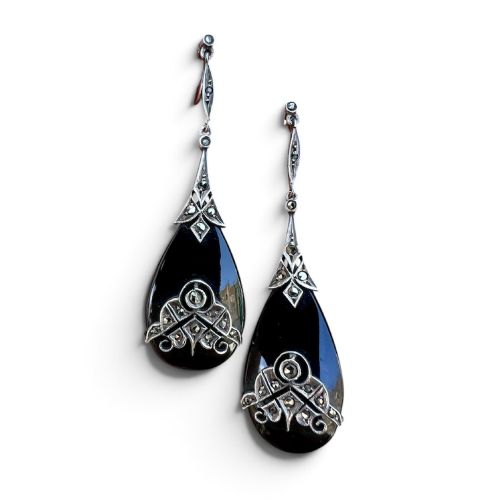
Makers utilised various stones within the silver tear-shaped frames. Amber, onyx, marcasite, rock crystal, diamond, and opal all appear across these listings.
Materials and construction
Silversmiths shaped metal frames to hold tapered drops of rock crystal, amber, or onyx. Many pieces incorporate sparkling marcasite stones or diamonds set directly into the silver work.
Techniques range from Victorian wirework to Art Deco geometric precision and Arts and Crafts hand-beating. Several examples feature detailed intaglio carving or gold gilding alongside the primary silver structure.
Silver teardrop pendant searches return items incorporating eight different materials, including amber, marcasite, rock crystal, opal, and diamond.
Assessing quality
Quality rests upon the crispness of the silver work and the matching of the central teardrop stone. Pieces with original chains and intact marcasite or diamond pavé settings stand out above altered examples.
The hand of the maker dictates desirability, particularly in Arts and Crafts pieces attributed to specific workshops. Superior items display harmonious proportions between the suspension loop and the teardrop body.
Amy Sandheim
The Silver Teardrop Pendant Glossary
- Marcasite
- Small faceted pyrite stones set into silver to create a diamond-like sparkle. They are typically secured in clusters around the central drop.
- Intaglio
- A design carved into the surface of a gemstone rather than protruding from it. This technique allows light to catch the hidden motif beneath the glass or crystal.
- Rock crystal
- Clear colourless quartz used as a substitute for diamond in antique jewellery. It is cut to catch the light within the silver teardrop frame.
- Arts and Crafts
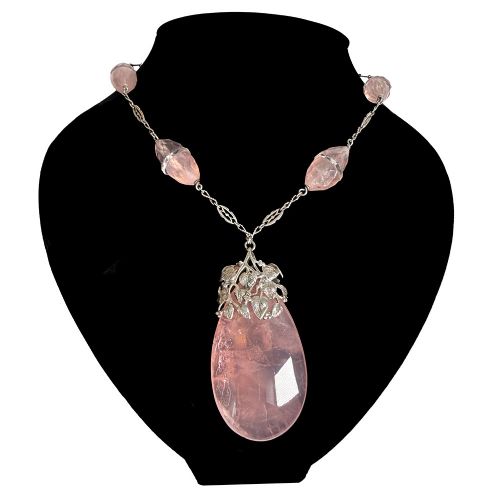
- A design movement valuing handcraftsmanship and simple natural forms over industrial mass production. Pieces from this era often feature visible hammer marks and natural stones like amber or rose quartz.
Silver Teardrop Pendant: Frequently Asked Questions
What periods do these pendants come from?
The pieces span the Victorian, Edwardian, Arts and Crafts, Art Deco, and Mid-Century Modern eras. Most examples date from the late nineteenth century through to the nineteen-fifties.
Specific decades represented include the eighteen-eighties, nineteen-tens, nineteen-twenties, and nineteen-thirties.
What stones are set in the silver drops?
Makers used a wide variety of materials inside the silver teardrop frames. These include amber, onyx, rock crystal, opal, and diamond.
Some designs also incorporate marcasite stones or intaglio-carved glass to add texture and catch the light.
Are original chains usually included?
Some listings mention original components, such as pearl chains accompanying Art Nouveau rock crystal drops. Other pieces appear on long silver chains added later.
Examining the attachment loops helps determine if the chain and pendant share the same period.
How do Art Deco and Arts and Crafts styles differ?
Art Deco pieces tend to feature geometric symmetry, marcasite pavé work, and sleek polished onyx or crystal drops. They reflect the industrial optimism of the nineteen-thirties.
Arts and Crafts examples showcase individual handwork, prominent silver bezels, and organic materials like amber or rose quartz, often linked to named makers.