


Victorian Crystal Pendant
A victorian crystal pendant gathers candlelight and daylight alike, offering a brilliant focal point for period interiors and personal wear.
Victorian Crystal Pendant
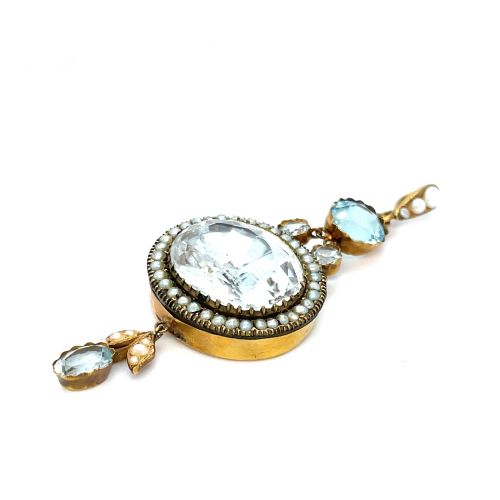
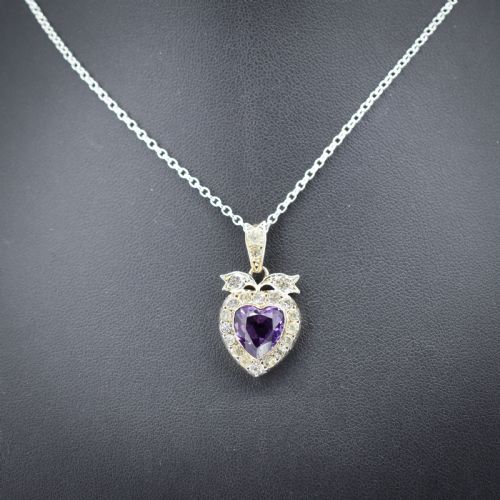
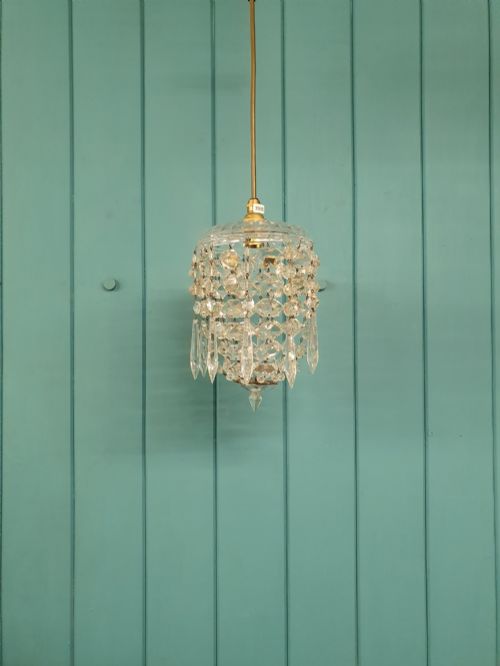
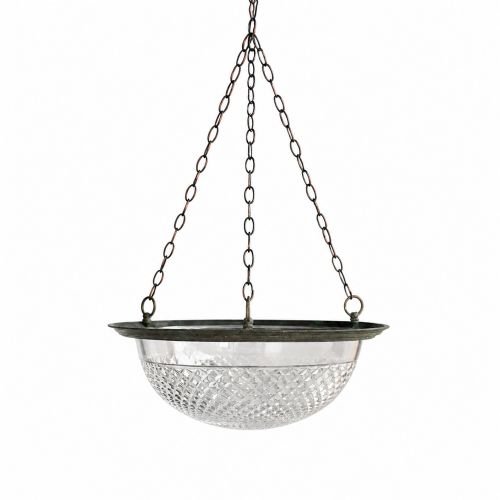
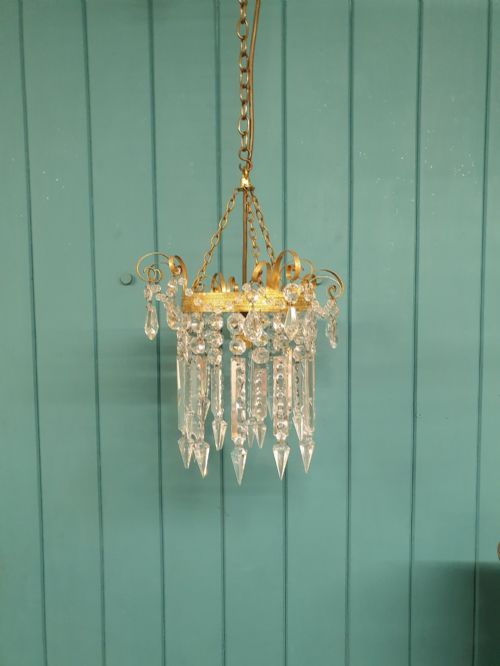
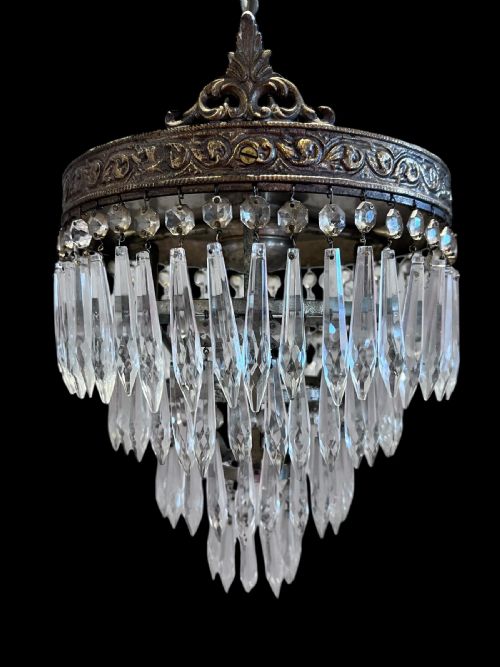
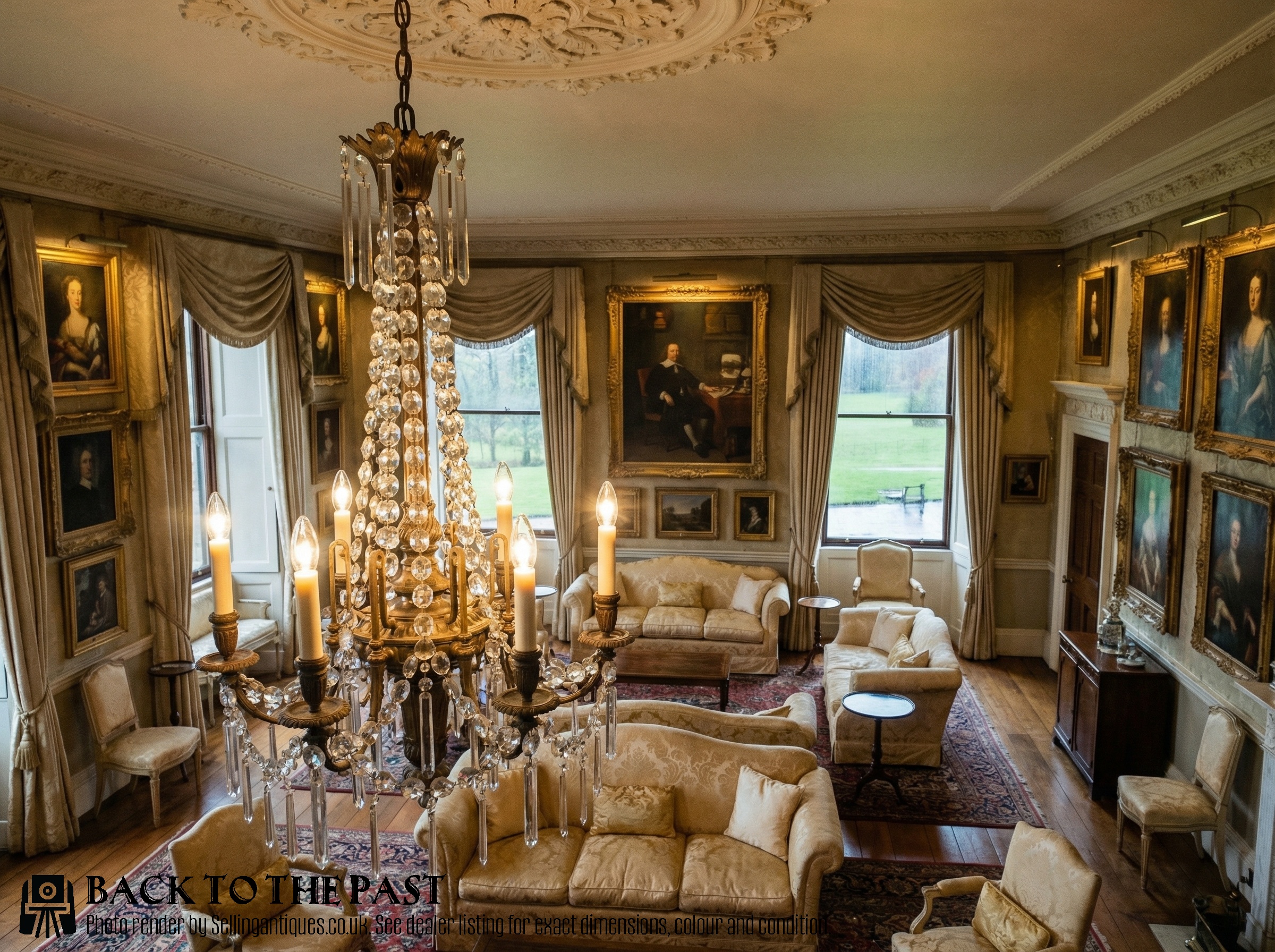
The jewellery forms include rock crystal cabochons, foil-backed aquamarines, and diamond-set gold pieces originating from the nineteenth century. Lighting variations range from single-light ceiling domes and basket lanterns to multi-branched chandeliers composed of cut glass and crystal.
Originating predominantly from English and French workshops, these pieces reflect Victorian, Edwardian, and Regency aesthetic movements. The selection bridges intimate personal lockets and substantial brass-mounted electroliers sharing a common vocabulary of faceted glass.
Materials and construction methods
Metals form the structural framework for these items, with makers utilising yellow gold, silver, brass, and gilt bronze to secure the stones and glass elements. Gilded bronze and solid brass provide the rigid armature for heavy ceiling fixtures, while fifteen-carat gold and silver support wearable pendants.
Cutter and glassblower guilds shaped the transparent components by hand, producing diamond-cut crystal, moulded dome shades, and hanging prisms. Metalworkers mounted these glass drops onto frames embellished with cast details such as lion masks and intricate filigree work.
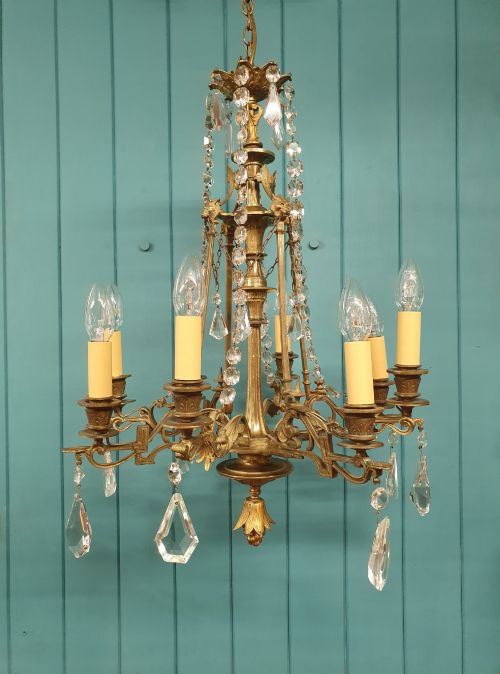
Several chandeliers feature cast brass lion masks keeping a watchful gaze over the descending crystal drops.
Distinguishing quality across pieces
The refinement of the metalwork and the clarity of the transparent components determine the standing of each item. Superior examples exhibit precise diamond cutting on glass surfaces and intricate, hand-chased mounts in bronze or gold.
Integration between the structural frame and the hanging elements separates standard items from exceptional ones. Coherence in style, such as matched French cage frames or uniform rock crystal cabochons, marks the finest examples.
Baccarat
The Victorian Crystal Pendant Glossary
- Rock crystal
- A naturally occurring colourless quartz mineral carved and faceted by hand into brilliant gems or decorative drops. Unlike manufactured glass, genuine rock crystal remains cold to the touch and possesses natural inclusions.
- Foil back
- A historical jewellery technique where a reflective metallic sheet is placed behind a transparent gemstone or paste to enhance its brilliance. This method maximises the play of light within antique pendants.
- Plafonnier
- A ceiling-mounted light fixture that sits flush or close to the surface, diffusing illumination through glass or crystal panels. These fixtures suit rooms with lower ceiling heights.
- Cage chandelier
- A lighting form featuring an open metal framework shaped like a birdcage, entirely draped in glass beads and crystal pendeloques. The frame supports internal candle arms or electric lamp holders.
- Paste
- Hand-cut and polished lead glass used historically as a substitute for precious gemstones. Antique paste exhibits high refractive brilliance and precise faceting.
Victorian Crystal Pendant: Frequently Asked Questions
How do I hang a heavy crystal pendant?
Ceiling-mounted crystal pendants and small chandeliers require proper ceiling joist anchorage to support their considerable metal and glass weight safely.
Professional electrical installation ensures that brass frames and wired gasoliers hang securely without straining historical ceiling roses.
Are these pendants wearable or decorative?
The phrase covers two distinct categories, separating jewellery items intended for the neck from architectural light fixtures meant for rooms.
Wearable pieces utilise gold, silver, and precious stones, whereas lighting items employ brass, bronze, and cut glass components.
How do I clean antique crystal?
Maintenance requires gentle washing with warm water and a mild solution, wiping each glass drop by hand to preserve the metal settings.
Harsh chemical immersion damages historical gilding on bronze frames and degrades foil backings behind antique gems.
What defines a Victorian lighting fixture?
Nineteenth-century lighting incorporates heavy brass or gilt bronze armatures paired with hand-blown and diamond-cut crystal drops.
Design influences range from French chateau styles to English basket frames adorned with cascading glass prisms.