
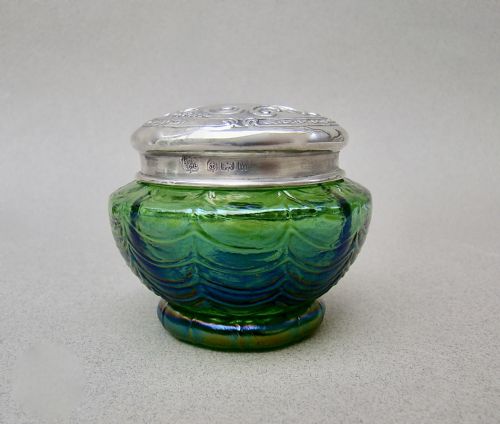
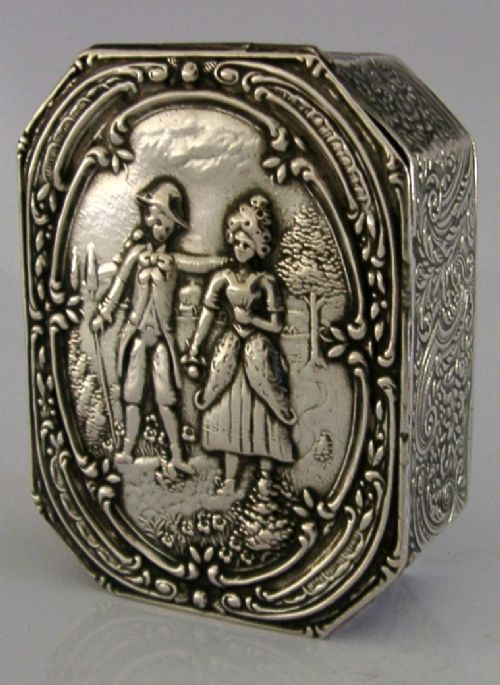
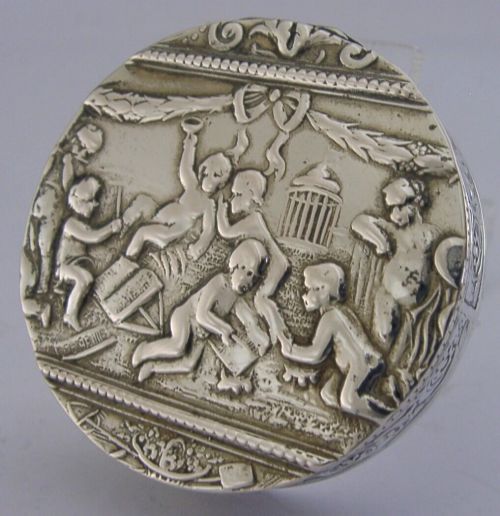

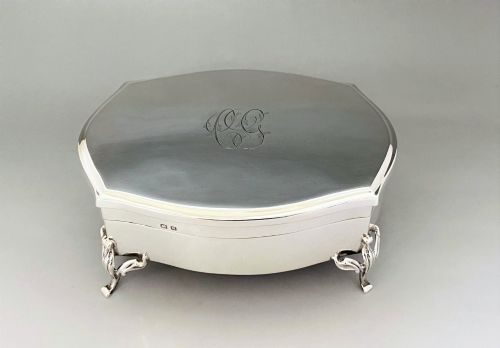
Silver Dress Table Box
A silver dress table box sits upon a vanity to hold trinkets, rings, and cosmetics.
Silver Dress Table Box
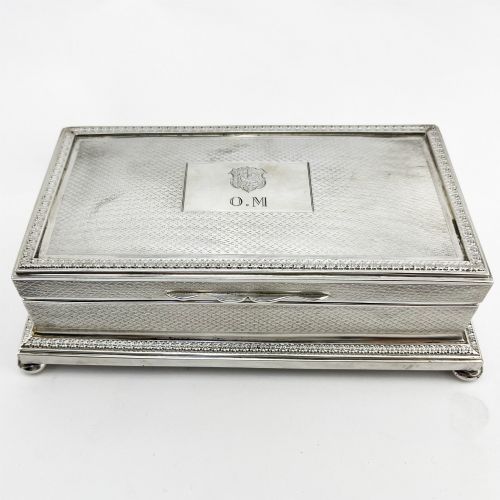
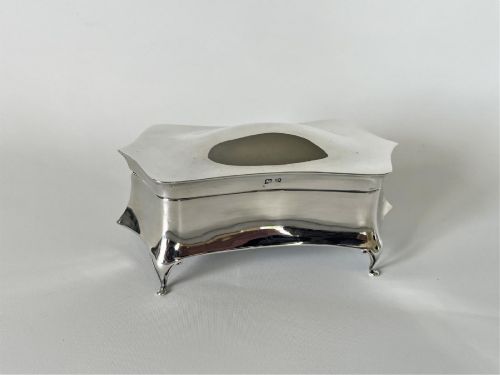
A silver dress table box serves as a receptacle for jewellery, hairpins, and cosmetics, originally kept in private dressing rooms. These vessels range from small circular pill pots to large rectangular caskets intended for display.
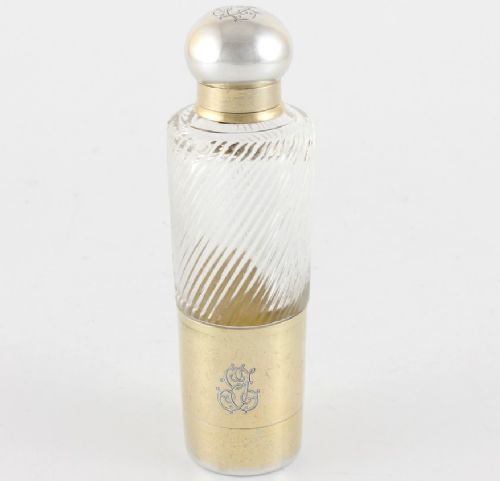
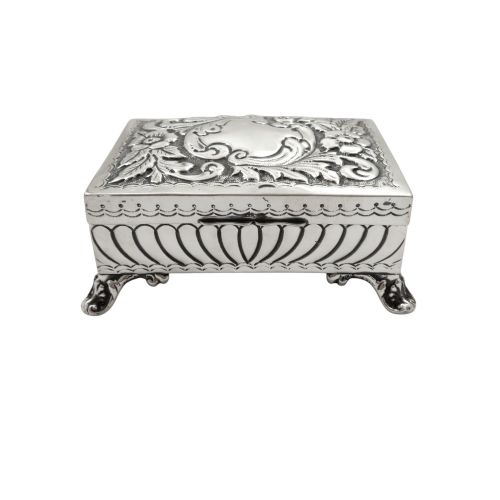
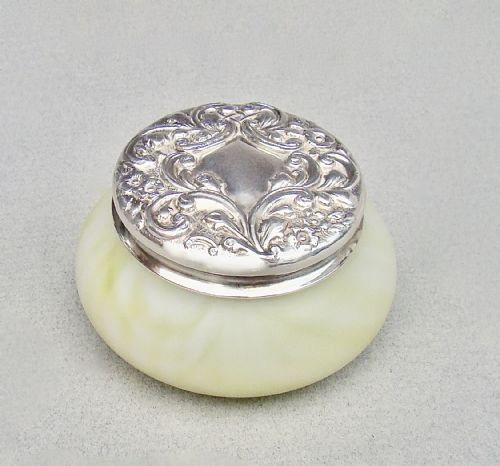
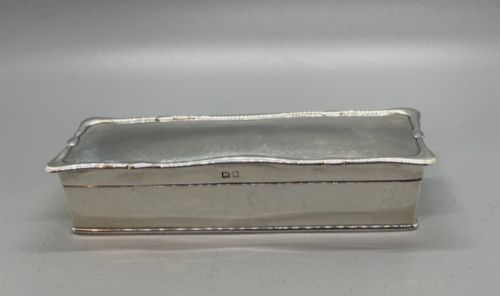
The objects seen here span from the Victorian and Edwardian eras through to the Art Deco period, incorporating British assay office marks alongside continental imports. Common variations include hinged lids with velvet linings or glass bodies fitted with sterling silver mounts.
Makers produced these items to complement complete dressing table sets, often matching brushes and trays. Surviving examples reflect the shifting tastes of the nineteenth and twentieth centuries, moving from ornate revivalist styles to geometric modernist lines.
How they were made
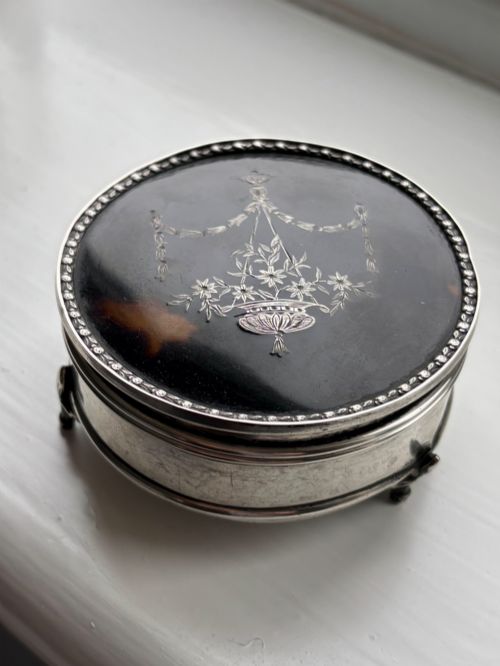
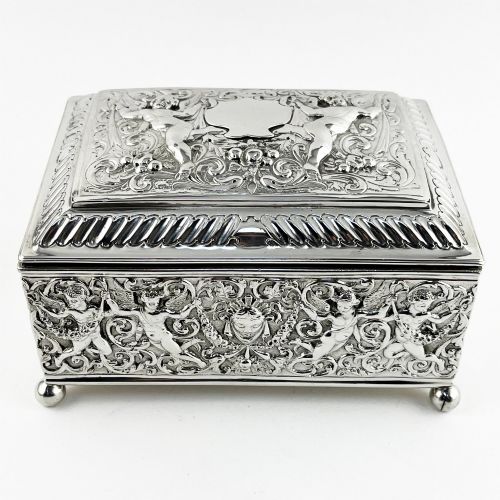
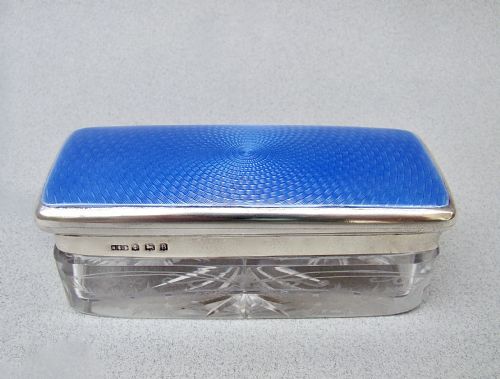
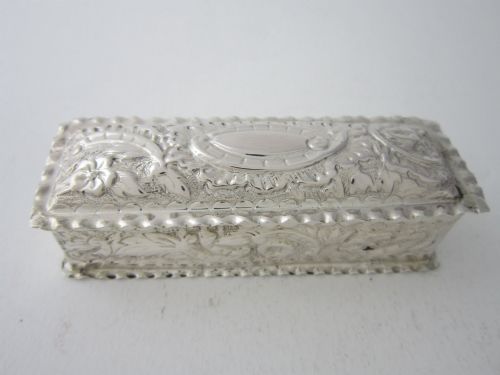
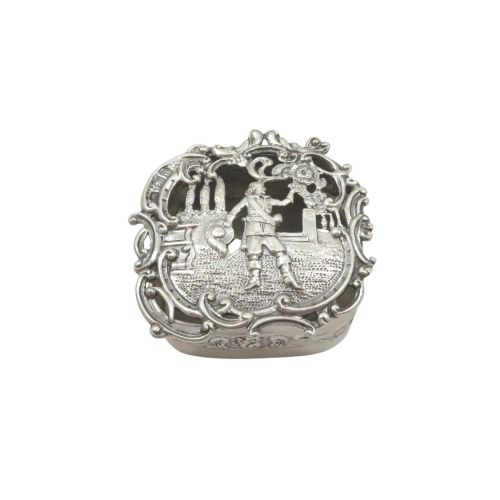
Silversmiths constructed solid metal bodies through stamping, casting, and hand-beating techniques, applying repoussé and chasing for decorative relief. Lids frequently incorporate organic materials such as tortoiseshell or translucent guilloché enamel over engine-turned metal bases.
Glass and crystal dressing table jars rely on heavy cut or moulded vessels fitted with removable sterling silver collars and lids. Makers utilised gilt interiors, known as silver gilt or vermeil, to prevent tarnishing from cosmetics and powders.
Listings feature items from the Georgian era through to the Art Deco period, executed in sterling silver, cut glass, and enamel.
What varies in quality
The thickness of the metal gauge and the integrity of the hinges dictate the structural standard of a box. Superior pieces maintain crispness in chased decoration and secure closures without alignment gaps.
Craftsmanship is further judged by the execution of specialist details like pique work inlay, multi-colored enamel, and hand-cut crystal bodies. Maker attribution to notable workshops often denotes higher standards of design and finishing.
A. J. Pepper & Co·Henry Clifford Davis·Ollivant & Botsford·Paul Storr·William Comyns·Mappin & Webb·William Hutton·Elkington & Co·Goldsmiths & Silversmiths·William Neale·Emile Langlois·Walker & Hall
The Silver Dress Table Box Glossary
- Guilloche enamel
- A decorative technique where translucent enamel is layered over machine-turned metal engraving. This method creates geometric patterns that show through the coloured glass surface.
- Repoussé
- A metalworking method in which the smith hammers the design from the reverse side to form raised relief on the front. It defines much of the ornamentation found on Victorian pieces.
- Silver gilt
- Sterling silver that has been coated with a thin layer of gold on the interior surfaces. This treatment protects the metal from corrosive cosmetic powders.
- Pique work
- The insertion of tiny gold or silver pins into tortoiseshell or ivory to form delicate motifs. It appears frequently on Edwardian vanity items.
- Castle top
- A pictorial engraving of a specific building or landscape on the lid of a silver box. These scenes are typically cast or heavily embossed into the metal.
Silver Dress Table Box: Frequently Asked Questions
What were silver dress table boxes used for?
These boxes served to store rings, pins, and personal trinkets on a bedroom dressing table. They kept small valuables organised and protected from dust.
Larger versions held cosmetics, powder puffs, or matching glass jars for lotions and scents. Their presence added an element of luxury to the daily dressing routine.
How do I date an antique silver box?
Dating relies heavily on the hallmarks stamped into the silver, which include assay office symbols, date letters, and maker's marks. British pieces usually feature a lion passant indicating sterling standard alongside the reigning monarch's head for specific periods.
Stylistic cues also help narrow down the age when marks are rubbed. Rococo revival and heavy floral embossing point to the Victorian era, while clean geometric lines suggest Art Deco.
How should I clean my silver box?
Dust the piece gently with a soft microfiber cloth to remove surface particles without scratching the metal. Avoid abrasive dips or harsh commercial polishes that strip away original patina and damage delicate enamel or glass.
Take care around fitted velvet linings and inset materials like tortoiseshell or enamel. Moisture can loosen adhesives or cause discoloration if it seeps into the seams.
Are glass jars considered dress table boxes?
Glass and crystal jars fitted with silver lids belong firmly to the dressing table box category. They were produced alongside solid metal caskets to hold creams, salts, and powders.
The combination of cut glass and hallmarked silver mounts represents a standard form of vanity storage from the Victorian period onward.