





Silver Dish with Cover
A silver dish with cover brings elegance to any dining table, offering both practical warmth and fine craftsmanship for the home.
Silver Dish with Cover
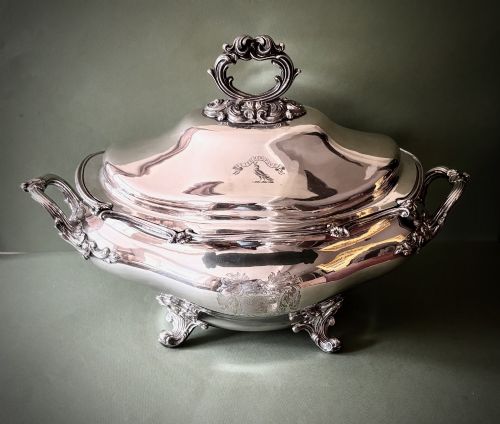
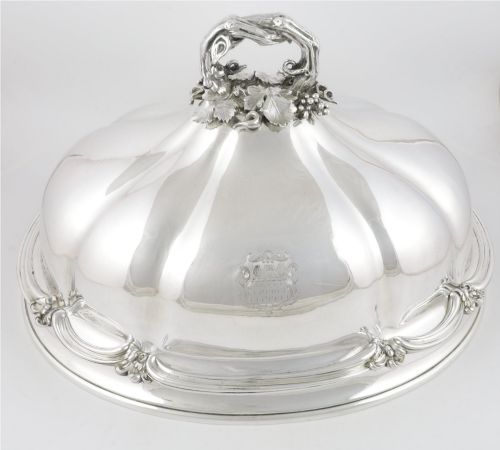
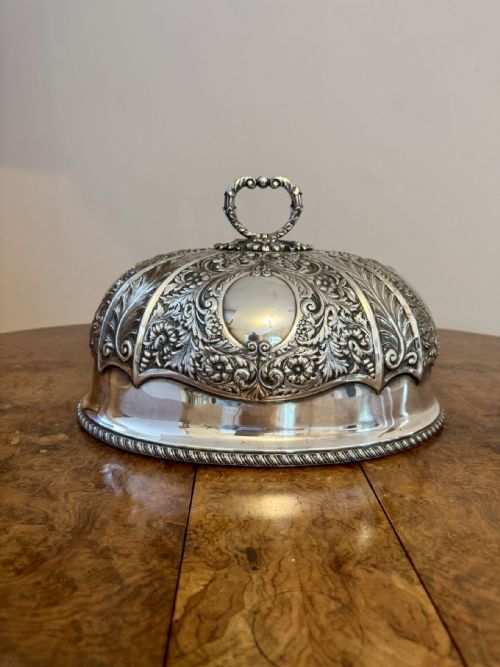
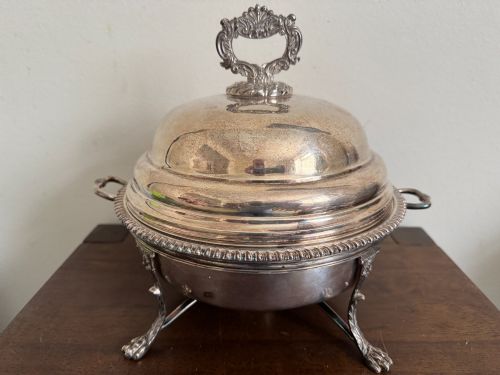
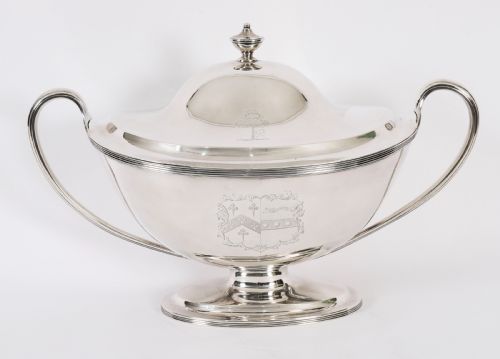
When you search for a silver dish with cover, you encounter a variety of serveware designed to keep food warm and presentable at the table. These pieces range from simple butter dishes with glass liners to elaborate entree dishes and sauce tureens.
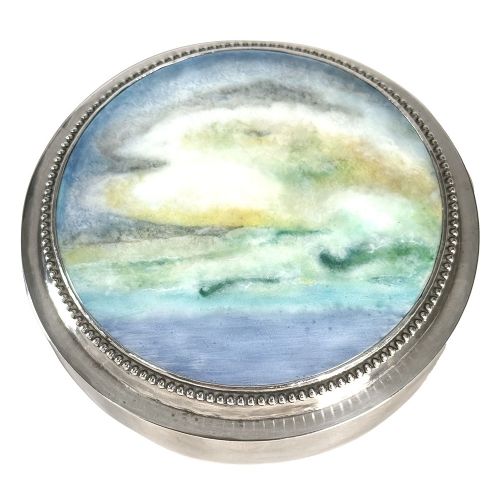
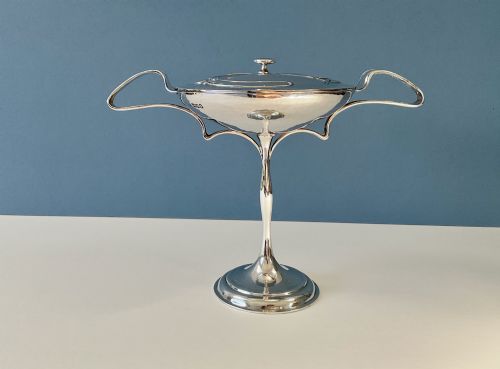
The selections available here span from the Georgian period through the Victorian and Edwardian eras into Art Deco, showcasing diverse forms including rectangular entree dishes, warming dishes, and circular lidded boxes.
Materials and construction methods
Makers utilised solid sterling silver alongside various plated methods such as Sheffield plate and electroplated nickel silver, applying thin layers of precious metal over copper or base metal substrates. Cut glass and coloured glass feature prominently as internal liners for butter dishes and serving vessels.
Manufacturing techniques involved traditional silversmithing methods, including hammering, casting, and piercing, alongside early industrial plating processes that emerged during the nineteenth century. Details were often hand-finished, with engraved crests, applied borders, and mixed metal highlights appearing on specific decorative pieces.
Silver Dish with Cover Retail Price Guide 2026
Typical asking prices for silver dish with cover among the pieces listed under this phrase on Sellingantiques today, from the lower quarter to the upper quarter. They describe what is for sale here now, not the wider market.
Materials represented across the collection include sterling silver, silver plate, Old Sheffield plate, copper, glass, and bronze.
Factors that distinguish quality
The standard of a silver dish with cover depends heavily on the crispness of its chased or applied ornamentation and the weight of the underlying metal. Thicker plating or solid sterling construction ensures greater longevity through generations of use and polishing.
Completeness also influences desirability, such as retaining original components like matching glass liners, burner lampstands, or serving ladles. Finer examples display balanced proportions, secure fitting lids, and clear maker marks that indicate reputable workshops.
William Grundy·Daniel and Arter·Matthew Linwood·Christofle Gallia
The Silver Dish with Cover Glossary
- Sheffield Plate
- An early composite material made by fusing a sheet of silver to a thicker copper base before rolling and fabrication. This technique creates a distinctive appearance where the underlying copper can occasionally show through high wear areas.
- Entree Dish
- A lidded serving vessel specifically designed for holding individual courses or side dishes at formal meals. These are frequently rectangular or oval in outline and often feature removable handles for versatile table service.
- Sauce Tureen
- A small, deep vessel with a fitted cover and handles, used for serving gravies, sauces, or custard. They usually rest on an attached or matching underted and often include a small ladle.
- Glass Liner
- A removable bowl made of clear or coloured glass that sits inside butter or preserve dishes. This protects the metal body from acidic contents and allows for easy cleaning.
Silver Dish with Cover: Frequently Asked Questions
What was a silver dish with cover used for?
These covered vessels served distinct culinary roles, from presenting butter and sauces to keeping main courses warm at the dining table.
Lids helped retain heat and protected food between courses during formal meals.
How do I clean a silver dish with cover?
Cleaning requires a soft cloth and a gentle silver polish formulated to remove tarnish without abrading the surface layer.
Glass liners should be removed and washed separately in warm soapy water to avoid damaging the surrounding metal.
How can I tell the period of these dishes?
Dating relies on stylistic clues, maker marks, and manufacturing techniques such as the transition from Sheffield plate to electroplating.
Georgian and Victorian pieces often exhibit heavier casting and hand-engraved details compared to later Edwardian or Art Deco designs.
Can I use these dishes for daily dining?
Many of these pieces remain robust enough for regular use, particularly solid sterling silver and substantial plated items.
Care must be taken with delicate glass liners and antique silver plate to prevent excessive wear on the metal surfaces.