
Silver Desk Picture Frame
A silver desk picture frame brings polished metal and personal portraits together on a writing surface, offering a refined way to display family keepsakes.
Silver Desk Picture Frame
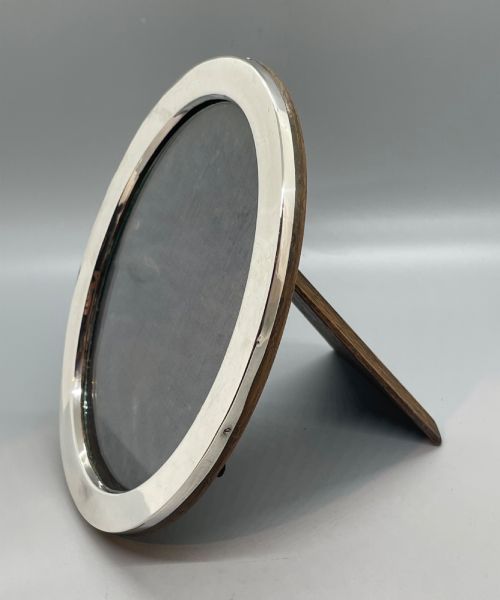
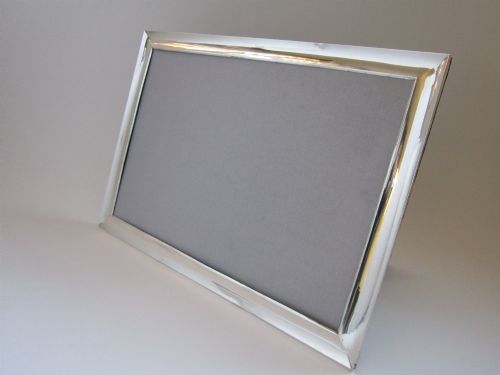
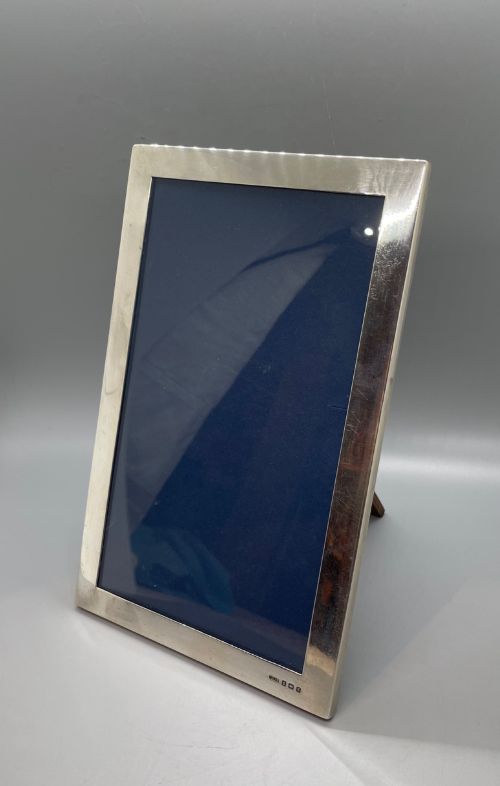
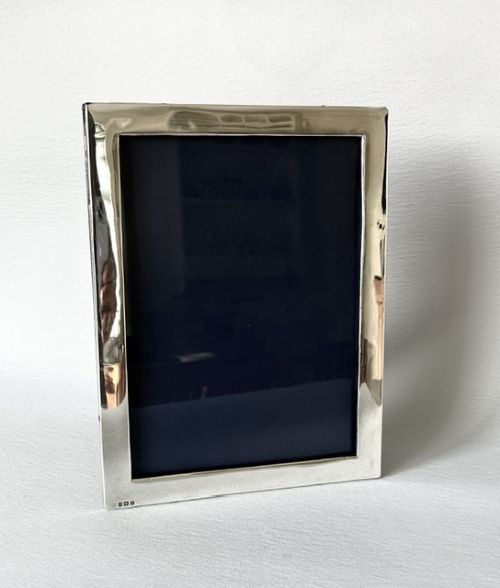
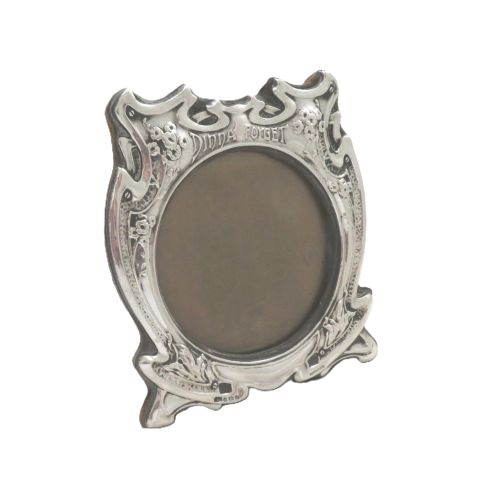
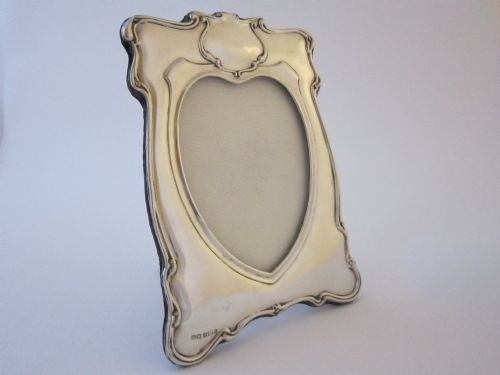
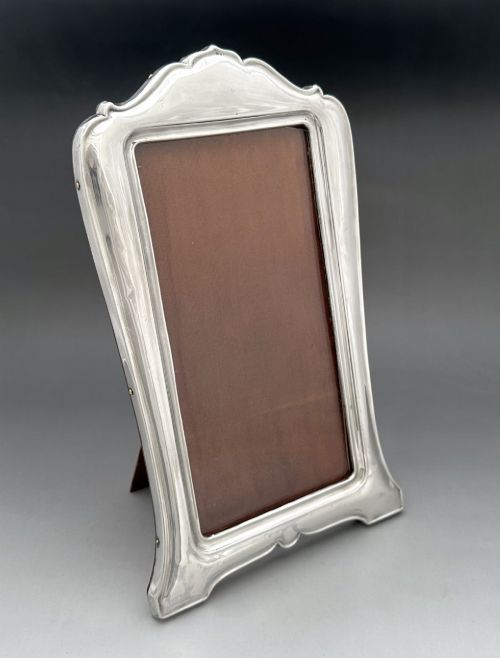
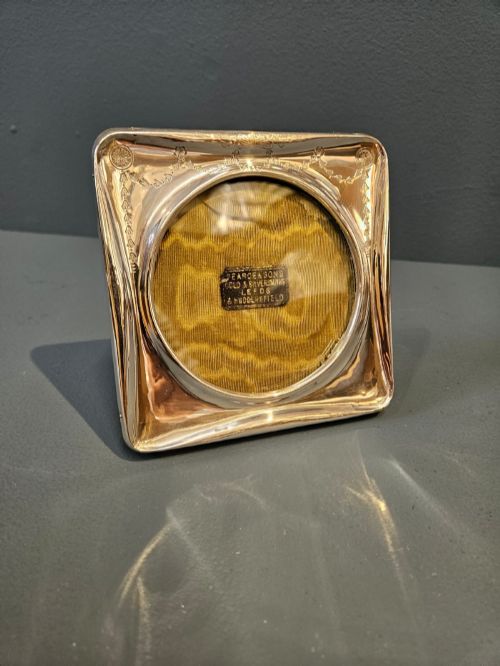
A silver desk picture frame is an accessory designed to hold portrait or landscape photographs upon a flat surface. These items appear primarily from the Victorian, Edwardian, and George V periods, spanning the late nineteenth and early twentieth centuries. The most common versions met on this page are rectangular or oval sterling silver designs originating from Birmingham assay offices.
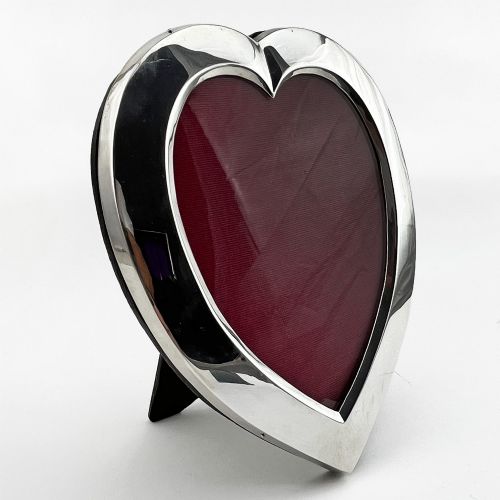
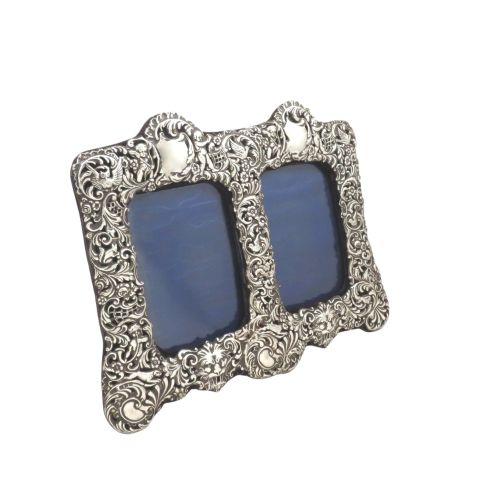
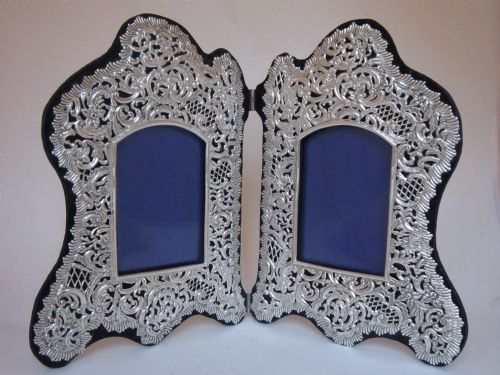
Makers produced these objects in various scales, from small miniature items to exceptionally large table displays. Alongside standard rectangular shapes, examples emerge in heart-shaped formats and double configurations that fold together. Each iteration serves the practical purpose of protecting and exhibiting photographic prints.
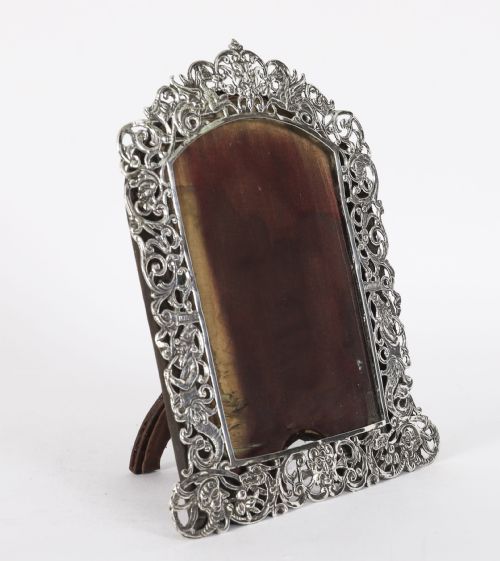
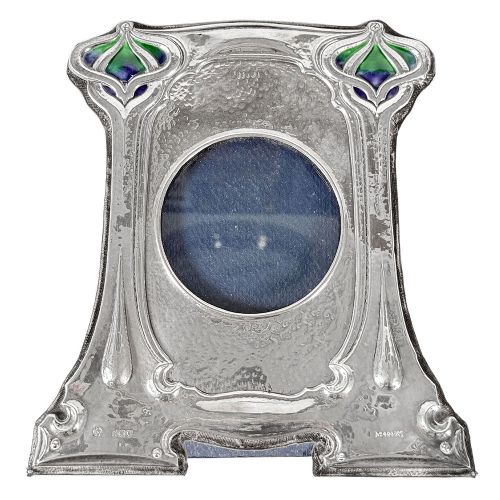
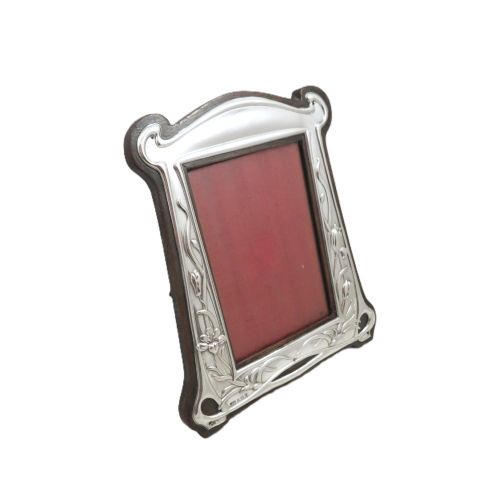
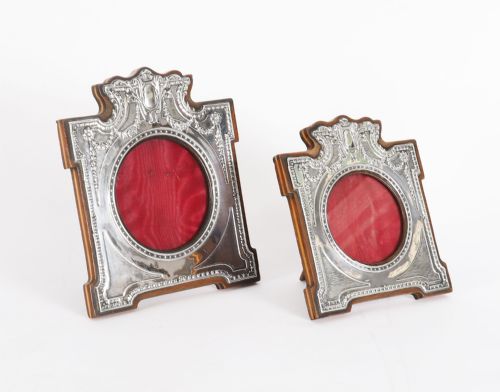
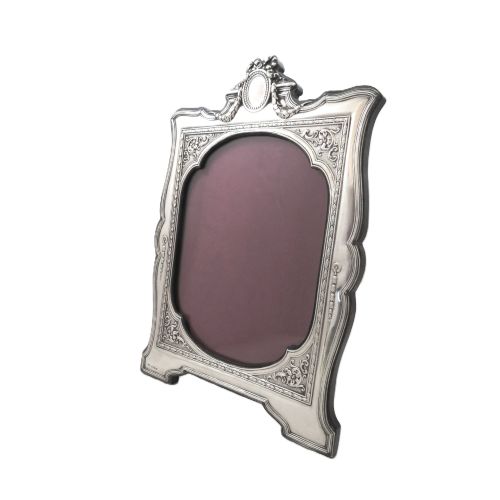
The selection includes specialty pieces incorporating decorative motifs such as embossed angels, birds, and botanical patterns. Art Nouveau and Arts and Crafts examples introduce flowing lines and enamel detailing to the desk environment. Such variations reflect the shifting tastes of the periods in which they were manufactured.
How they were made
Silversmiths constructed these frames using sterling silver sheets shaped by stamping, embossing, or hand-chasing. The decorative borders often display repoussé work, where designs are hammered from the reverse to create raised surface relief. Makers mounted these silver fronts onto supportive structural backing materials.
Wooden struts and panels provide the necessary rigidity behind the metal face, covered externally with velvet, fabric, or leather. Glass protects the photographic paper within the aperture, held securely by internal metal tabs or backing clips. This combination of sterling silver, glass, and wood ensures stability when the frame stands upright.
Silver Desk Picture Frame Retail Price Guide 2026
Typical asking prices for silver desk picture frame among the pieces listed under this phrase on Sellingantiques today, from the lower quarter to the upper quarter. They describe what is for sale here now, not the wider market.
One exceptional desk accessory takes the form of a miniature George III pole screen.
What varies in quality
Quality rests in the crispness of the chased decoration and the structural integrity of the backing assembly. Superior pieces retain clear hallmarks, deep relief work in motifs like cherubs or floral scrolls, and original fittings. Lesser examples exhibit worn embossing, thin metal gauge, or replacement backing struts.
The choice of secondary materials also separates standard production from finer output. Frames featuring high-grade velvet linings, fitted leather backs, and hand-applied enamel work demonstrate greater attention to detail by the original manufacturer.
Rosenthal Jacob And Co·William Comyns·William Hutton And Sons·Mappin Bros·W I Broadway And Co
The Silver Desk Picture Frame Glossary
- Sterling silver
- An alloy containing 92.5 percent silver by mass, with the remainder consisting of other metals like copper. This standard composition is stamped with assay office marks to guarantee purity.
- Repoussé
- A metalworking technique where a silversmith hammers a design from the reverse side to create a raised pattern on the front. This method appears frequently on Edwardian and Victorian picture frames.
- Hallmark
- A series of official marks stamped onto precious metal items indicating the maker, assay office, and year of testing. These stamps provide verifiable provenance for dating antique pieces.
- Easel back
- A hinged support strut attached to the rear of a frame allowing it to stand upright on a desk. These backs are commonly wrapped in velvet, leather, or fabric.
Silver Desk Picture Frame: Frequently Asked Questions
How do I clean silver desk picture frames?
Maintenance requires a soft cloth and a specialised silver polish applied gently to avoid abrading embossed details. Care must be taken to keep moisture away from the wooden or fabric backing materials.
Frequent light dusting preserves the surface finish better than heavy cleaning sessions. Avoiding harsh chemical dips protects the integrity of the underlying metal and any remaining lacquer.
What periods do these frames represent?
The inventory spans several distinct eras, beginning with late Victorian and Edwardian items from the turn of the twentieth century. George V and Art Deco examples follow, representing the aesthetic shifts of the interwar years.
Later mid-century Italian imports also appear, showing different regional design approaches. Each period brings distinct styling, from ornate Victorian cherubs to streamlined Art Deco borders.
How were old photographs inserted?
Early pieces typically utilised a removable wooden backboard held in place by small pivoting metal clips or pins. Lifting these fasteners allowed the backing, glass, and portrait to slide out together.
The photograph was placed directly behind the glass before reassembling the inner components. Velvet or leather linings on the reverse often concealed the internal holding mechanism.
Are original glass panels common?
Many surviving frames retain their original curved or flat glass, though replacements occur due to accidental breakage over time. Original glass often shows minor surface bubbles or imperfections characteristic of early manufacturing methods.
Examining the fit and thickness helps determine whether the glass pane contemporary to the silver mount remains intact. Replacement glass is generally clear and uniform compared to antique equivalents.