




Silver Creamer Pitcher
A silver creamer pitcher is a compact pouring vessel designed for tea service, appearing across Georgian and Victorian periods in sterling silver and silver plate.
Silver Creamer Pitcher
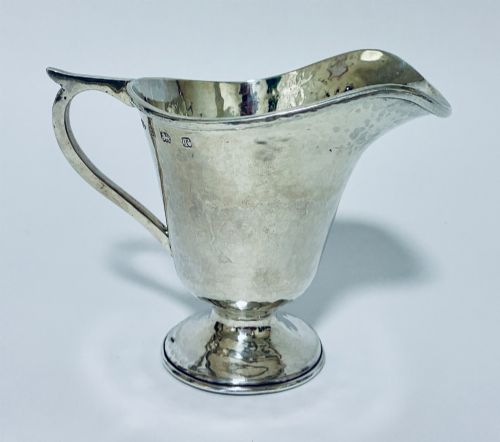
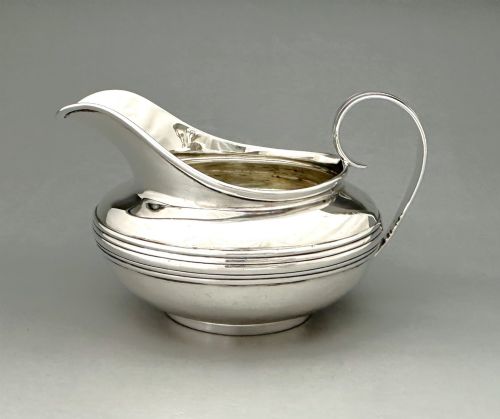
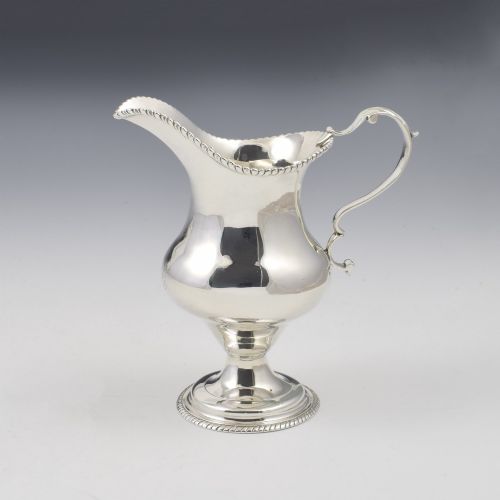
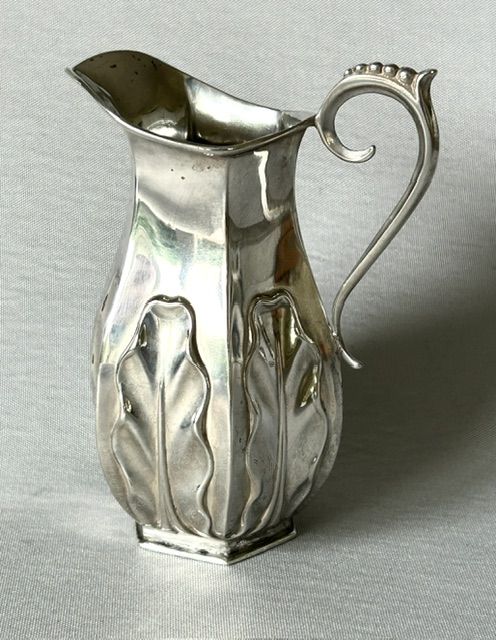
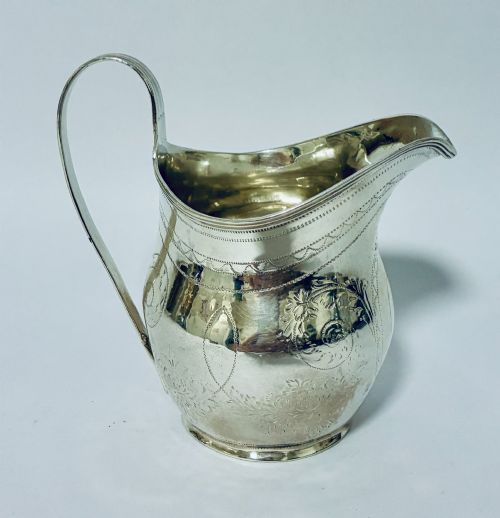
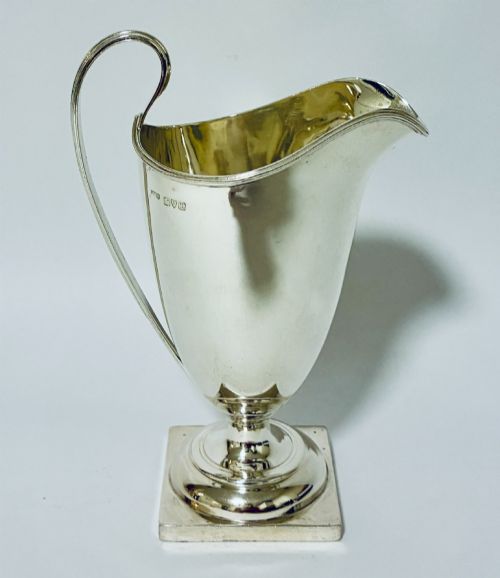
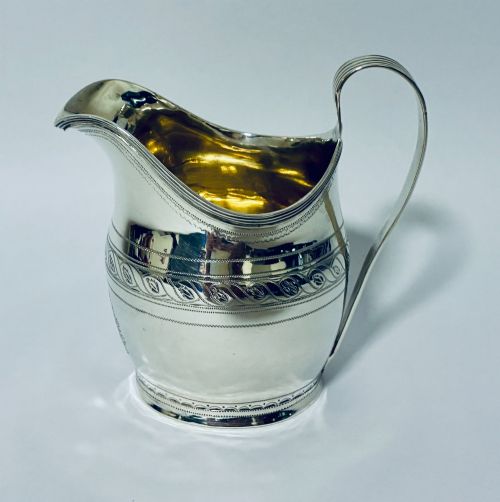
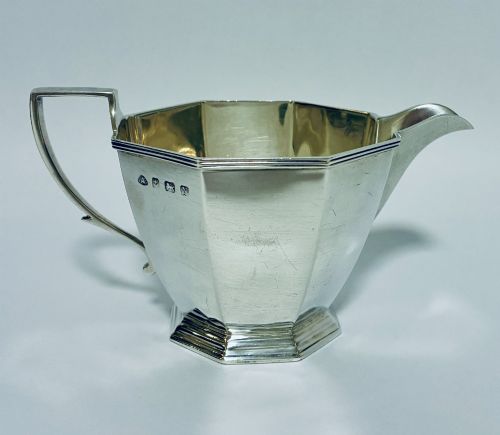
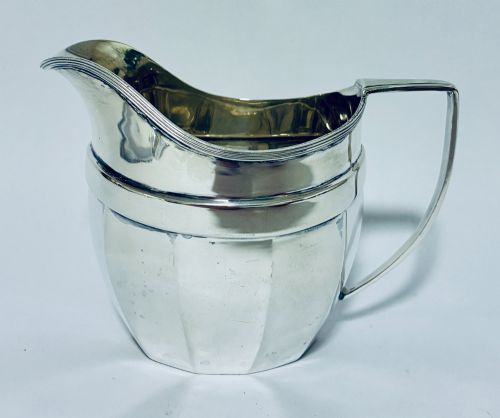
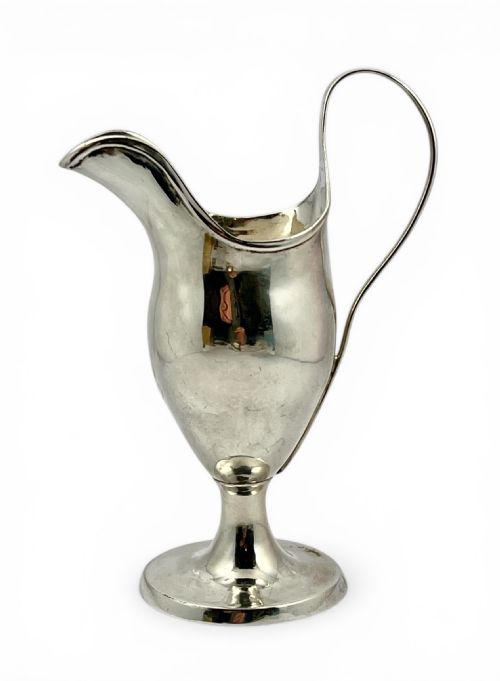
A silver creamer pitcher serves the tea table by holding milk or cream, taking forms such as the helmet jug, the sparrow beak jug, and the pedestal jug. These pieces emerge predominantly from the Georgian and Victorian eras, alongside Edwardian and George V examples.
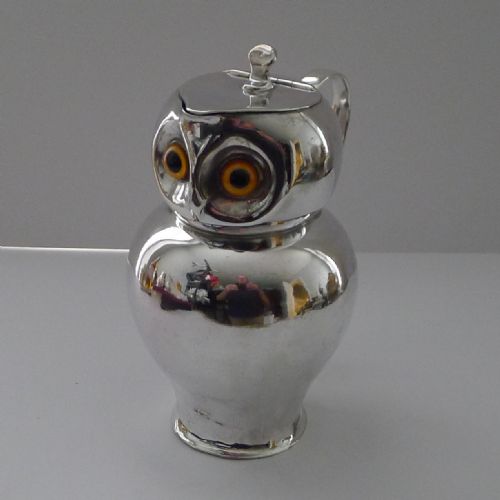
The buyer encounters items ranging from eighteenth-century provincial work to late nineteenth-century silver plate. Simple domestic milk jugs sit alongside bright cut engraved pieces and novelty animal designs.
Makers utilised various regional styles, from Scottish provincial smiths to London workshops, producing vessels that reflect the changing domestic habits of the tea table.
Materials and construction methods
Makers fashioned these vessels using sterling silver and silver plate, frequently incorporating gold gilt interiors known as wash. Some examples pair silver bodies with glass liners or bamboo handles.
Smiths employed techniques such as hand engraving, bright cutting, and casting to shape the metal. Handles were soldered to bodies, and some forms incorporated woven details or hinged lids.
Distinctions in craftsmanship and design
Quality rests upon the weight of the metal, the crispness of the hand engraving or bright cutting, and the balance of the handle against the body. Earlier eighteenth-century sparrow beak jugs demonstrate precise forming from heavy gauge silver.
Provenance and maker attribution elevate certain pieces, particularly those bearing clear hallmarks from known workshops or provincial makers. The integration of decorative elements like glass eyes in novelty animal pieces or fitted strawberry sets alters the character of the vessel.
Stalker & Mitchison·James Gordon·John Emes·Peter & Ann Bateman·George Unite·Robert Pringle & Sons·Luen Hing
The Silver Creamer Pitcher Glossary
- Bright cut
- An engraving technique utilising faceted V-cut grooves that reflect light from multiple angles. Smiths applied this geometric decoration widely on Georgian silver.
- Helmet jug
- A creamer shape featuring an elevated flared rim and a square foot, mirroring the profile of a classical helmet. This neoclassical form appears frequently in the eighteenth century.
- Sterling silver
- An alloy consisting of standard silver combined with small quantities of other metals to increase durability. Most British pieces carry hallmarks confirming this standard.
- Silver plate
- A base metal coated with a layer of silver through plating techniques. This material offered an accessible alternative to solid sterling during the nineteenth and twentieth centuries.
Silver Creamer Pitcher: Frequently Asked Questions
How do I date an unmarked silver creamer pitcher?
Dating relies upon stylistic markers such as the helmet shape of the Georgian period or the heavier ornamentation of Victorian design. Hallmarks, where present, provide exact assay office years and maker marks.
Form also guides attribution, as early sparrow beak jugs belong to the eighteenth century while novelty animal pieces typically date to the Edwardian era.
What is the difference between a cream jug and a milk jug?
Cream jugs were traditionally smaller vessels intended to hold rich cream for tea, whereas milk jugs possessed a larger capacity for everyday use. In practice, makers used the terms interchangeably across different periods.
Both forms share identical manufacturing techniques and decorative styles within matching tea sets.
How should I clean antique silver creamers?
Cleaning requires a soft cloth and a gentle silver polish formulated to preserve antique surfaces and hallmarks. Avoid harsh abrasive compounds that wear away bright cut engraving or thin plating.
Rinse the vessel thoroughly in warm water and dry it immediately to prevent tarnishing in the crevices of handles and feet.
Can I use these pitchers for daily service?
Solid sterling silver and sturdy silver plate withstand regular use provided they are washed by hand rather than placed in a dishwasher. Modern usage suits gatherings and tea service.
Delicate pieces featuring gilt interiors or fragile applied handles require careful handling during washing.