


Silver Cream Jug and Sugar Bowl
These silver cream jug and sugar bowl sets bring period elegance to the table, combining matched pouring and sweetening vessels for tea service.
Silver Cream Jug and Sugar Bowl
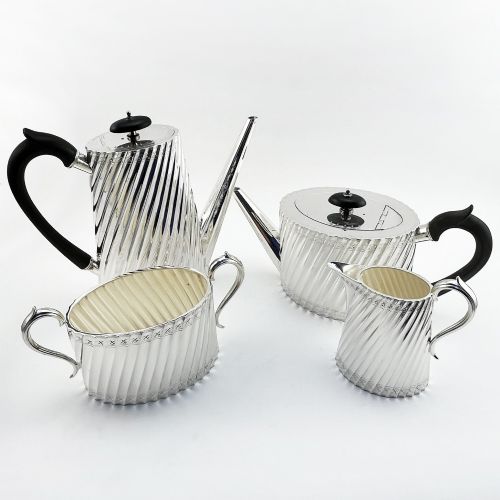
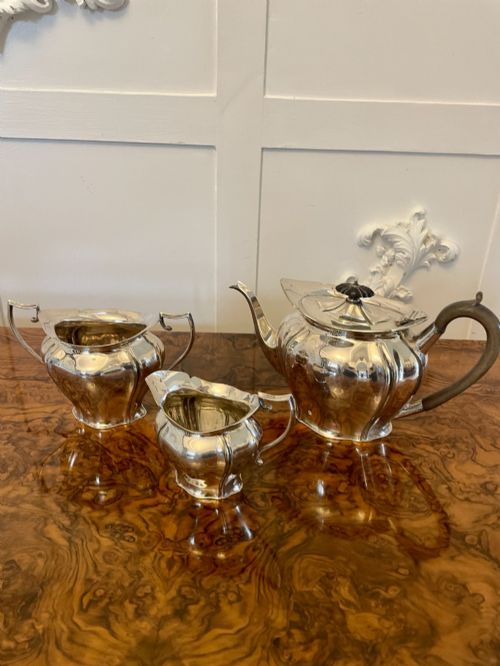
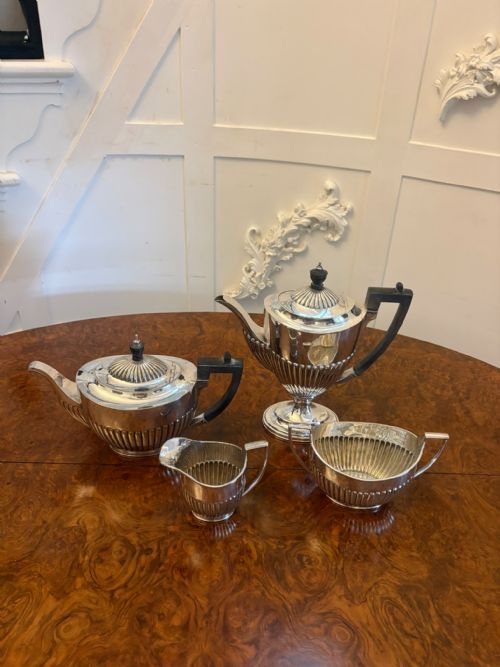
A silver cream jug and sugar bowl set comprises the essential pairing for taking tea, often found either as a standalone matched pair or as part of larger tea and coffee services. These functional vessels appear across a wide span of eras, reflecting shifts in dining habits from formal Georgian gatherings to Edwardian domestic rituals.
On this page, buyers will frequently encounter silver plated examples alongside solid sterling silver sets, spanning styles from Victorian and Edwardian periods through to Art Deco. Many of these pieces emerge from historic British silversmithing hubs like Sheffield and London, showcasing traditional forms designed for daily hospitality or display.
How They Were Made
The construction of these sets relies primarily on sterling silver or silver plate over a base metal, frequently shaped through traditional smithing techniques. Makers utilised supplementary materials such as ebonised wood for handles, while fitted presentation cases often incorporated internal linings of silk, velvet, and leather to protect the metalwork.
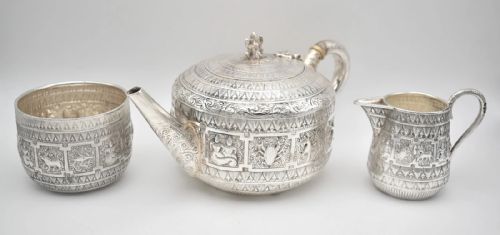
Surface decoration ranges from chased and engraved motifs to ornate grapevine detailing and Indianesque patterns, demonstrating the diverse skill of period craftsmen. Hallmarks stamped into sterling pieces provide official verification of the assay office, metal standard, and year of creation.
Design styles represented across the inventory range from classic William IV and Regency forms to decorative Victorian Anglo-Indian and streamlined Art Deco.
What Varies in Quality
The distinction between standard pieces and the finest examples rests on the weight of the metal, the crispness of chased or applied ornamentation, and the integrity of the original form. Sets retaining their matching tongs or housed in original fitted wooden cases command greater attention from collectors due to their completeness.
The reputation of the maker also heavily influences the standing of a set, with established workshops demonstrating superior finishing, balanced proportions, and durable silver plating. Pieces that display intentional design choices, such as specialised zodiac motifs or clean Art Deco lines, separate ordinary tableware from notable works of silversmithing.
Walker and Hall·Joseph Craddock·Benjamin Smith·Mappin and Webb·George Fox·Harry Atkin·Robert Hennell·James Deakin and Sons
The Silver Cream Jug and Sugar Bowl Glossary
- Sterling silver
- A silver alloy containing 92.5 percent pure silver and 7.5 percent other metals, usually copper, ensuring structural strength for tableware.
- Silver plate
- A base metal substrate, commonly copper or nickel silver, coated with a thin layer of pure silver through electroplating or old Sheffield plating techniques.
- Hallmark
- A series of official marks stamped onto precious metal items to indicate the standard of silver, the maker, and the year of assay.
- Sheffield plate
- An early method of fusing a thin sheet of silver to a thicker copper core by heating and rolling the metals together.
- Chasing
- A metalworking technique where the silversmith hammers decoration into the front surface of the silver to create raised ornamental designs.
Silver Cream Jug and Sugar Bowl: Frequently Asked Questions
What is included in a silver cream jug and sugar bowl set?
These sets traditionally pair a small pouring jug for milk or cream with an open or handled bowl designed for holding sugar lumps or granulated sugar. Some configurations also incorporate matching sugar tongs or arrive as part of larger multi-piece tea and coffee services.
Buyers will find that many historical sets were originally housed within fitted presentation boxes alongside their accompanying spoons or tongs, offering a complete tabletop ensemble.
How can I tell the difference between sterling silver and silver plate?
Sterling silver pieces generally feature official hallmarks stamped directly into the metal, indicating the purity standard, the assay office, and the maker's mark. Silver plated items lack these specific sterling hallmarks and may instead bear maker-specific electroplate marks or reveal base metal beneath worn areas.
Examining the underside or interior rims often clarifies the method of manufacture, as solid silver maintains a consistent metal composition throughout the piece.
How do I care for antique silver teaware?
Maintaining these silver vessels involves gentle cleaning with specialised silver polish and soft cloths to remove tarnish without abrading the surface detail or wearing away thin silver plating. Avoid harsh chemical dips, particularly on pieces with ebonised wooden handles or delicate applied decorations.
When not in use, storing the set in a dry environment away from direct sunlight helps preserve the finish and prevents rapid oxidation of the metal.
Are these sets safe to use for serving food and drink?
Many buyers utilise their antique silver cream jugs and sugar bowls for actual entertaining, provided the interior surfaces are thoroughly cleaned and free from harmful residues. Solid sterling silver and stable silver-plated items remain chemically suited for dairy and sugar service.
Collectors should inspect plated pieces to ensure the base metal is not exposed on interior surfaces where acidic liquids might cause unwanted reactions.