


Silver Compote Bowl
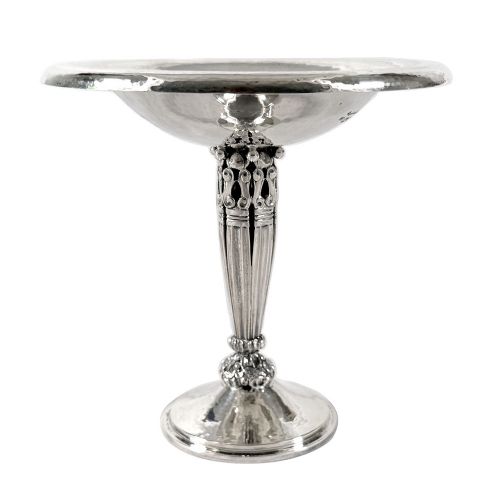
A silver compote bowl elevates fruit or flowers on an elevated pedestal, offering a striking focal point for the dining table.
Silver Compote Bowl
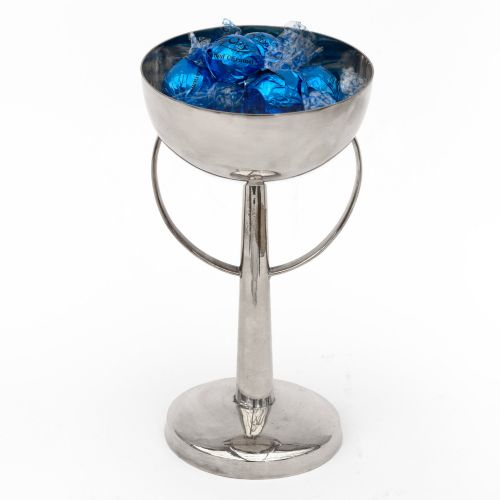
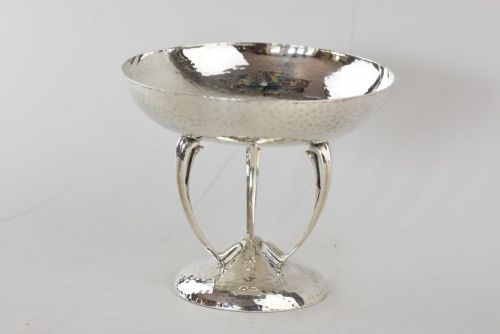
A silver compote bowl stands upon a raised foot or pedestal, serving historically as a centrepiece for fruit or confectionery on the dining table. When exploring the silver compote bowl selection, buyers encounter various forms including tazzas, pedestal dishes, and footed bowls.
The pieces span multiple periods from the eighteenth century through to the mid twentieth century, encompassing Georgian, Victorian, Edwardian, and Art Deco designs. English, French, and Continental workshops dominate the inventory, alongside Anglo-Indian and Chinese export pieces.
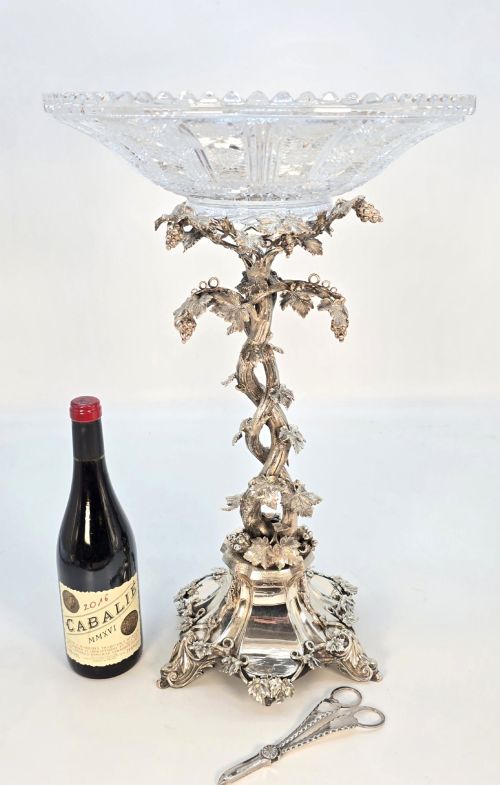
Most examples function as decorative bowls or table centrepieces, sometimes paired with cut glass or crystal inserts. Buyers frequently meet sterling silver and silver-plated versions, accompanied by occasional chrome, vermeil, and silvered bronze creations.
Materials and construction
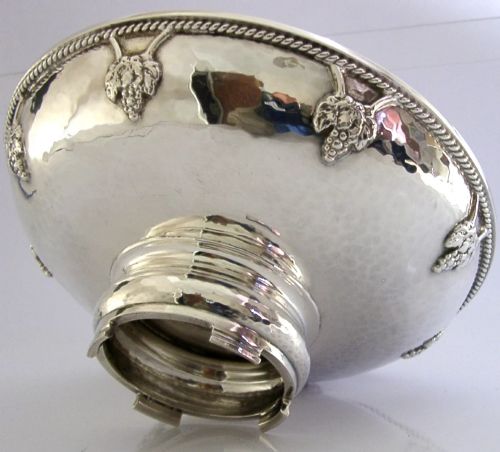
Silversmiths utilised sterling silver and silver plate over base metals, shaping the metal through hammering, casting, and spinning. Arts and Crafts examples display visible hand-hammered textures left by the maker's mallet.
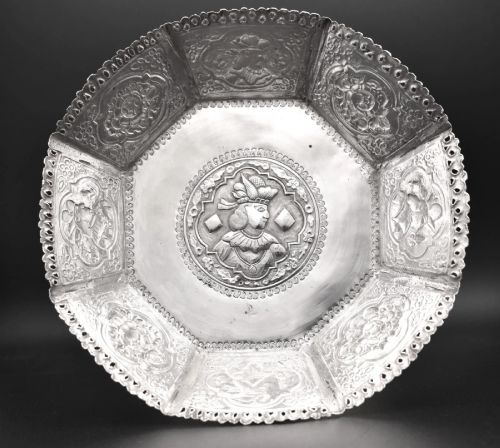
Decorative details often involved repoussé work, piercing, chasing, and wirework to create intricate patterns such as lattice designs and Persian motifs. Pedestals were securely joined to bowls either through seamless construction or reinforced structural mounts.
Many centrepieces combine metal bases with heavy cut glass or cut crystal inserts, secured within silver-plated or sterling frames. Gilt interiors, known as vermeil, appear on several Georgian and later pedestal dishes to protect the silver from acidic fruits.
Listings feature silver compote bowls across multiple eras, ranging from eighteenth-century Georgian pedestal dishes to mid-century modern chrome comports.
Evaluating quality and craftsmanship
Quality rests upon the weight of the metal, the crispness of the hand-chased or repoussé detail, and the overall balance of the pedestal and bowl. Heavier gauges of silver or substantial silver plating indicate superior manufacture compared to thinner, pressed alternatives.
The distinction between standard commercial production and master craftsmanship lies in the execution of decorative elements like pierced lattice or applied wirework. Maker attribution to known silversmiths or established firms elevates the standing of an individual piece within its period.
Integration between different materials, such as a crystal bowl fitted into a metal base, reveals the precision of the silversmith's engineering. Pieces retaining original gilding inside the bowl demonstrate better preservation and higher initial luxury.
A E Jones·Goldsmiths and Silversmiths Company·Charles Boyton·Walker & Hall·W M F·James Dixon & Sons·Christofle et Cie
The Silver Compote Bowl Glossary
- Compote
- A pedestal bowl used for serving fruit, compote, or sweets at the table. This form shares similarities with the tazza and the comport.
- Tazza
- A shallow bowl mounted on a stem and foot, originating from Renaissance Italy. It functions primarily as a display piece or serving dish.
- Repoussé
- A metalworking technique where the artisan hammers the design from the reverse side to form a raised relief on the front. This method creates tactile, highly decorative surfaces on bowls and dishes.
- Vermeil
- Sterling silver plated with a thin layer of gold. This finish provides a warm golden interior while maintaining a silver exterior.
- Pierced work
- Metal perforated with geometric or floral patterns to create openwork designs. Silversmiths used this technique to lighten heavy bowls and introduce delicate visual contrast.
Silver Compote Bowl: Frequently Asked Questions
What is a silver compote bowl used for?
These elevated vessels traditionally held fresh fruit, nuts, or sweetmeats at the centre of a formal dining table. Today they serve equally well as decorative centrepieces or display bowls in reception rooms.
Their raised profiles draw the eye upwards, making them effective for adding height and elegance to a tablescape or sideboard arrangement.
How do I clean an antique silver bowl?
Gentle washing in warm soapy water with a soft cloth removes everyday dust and oils. Proprietary silver polishes should be used sparingly and only on solid silver to avoid wearing through silver-plated surfaces.
Avoid immersing pieces that combine glass liners and metal frames, as moisture trapped between the materials can cause damage over time.
How can I tell sterling silver from silver plate?
British sterling silver pieces generally bear hallmarks indicating the standard of purity, the assay office, and the date letter. Silver-plated items often carry manufacturer marks denoting electroplate or specific plating marks.
Examining the edges and high points can also reveal whether the base metal shows through a worn silver coating.