



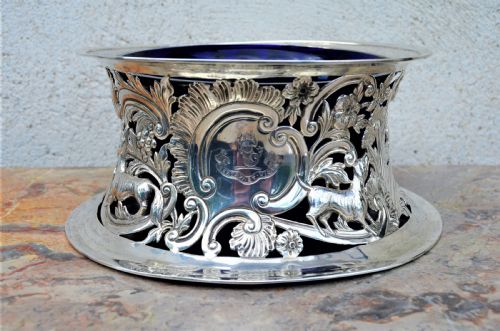


Silver Cobalt Glass Bowl
These silver cobalt glass bowl examples unite deep blue liners with intricate metalwork, offering striking contrast and historic utility for the discerning collector.
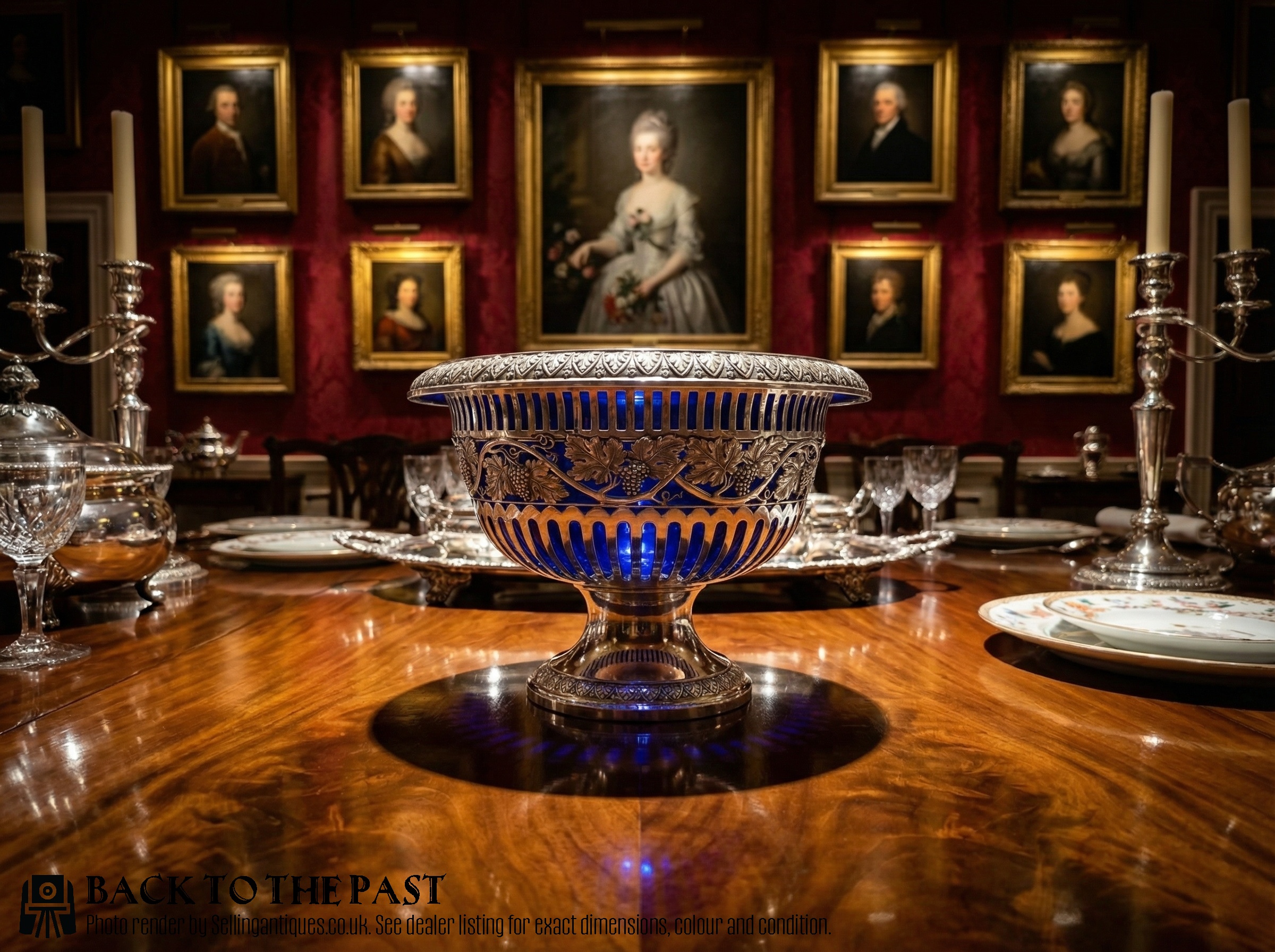
Silver Cobalt Glass Bowl
When you search for silver cobalt glass bowl items, you are looking at tableware designed to hold sugar, salt, or sweets, typically featuring a rich blue glass insert sheltered within a decorative metal framework. These pieces range from 18th Century sugar baskets to Edwardian bon bon dishes and Victorian centrepieces, reflecting centuries of dining traditions.
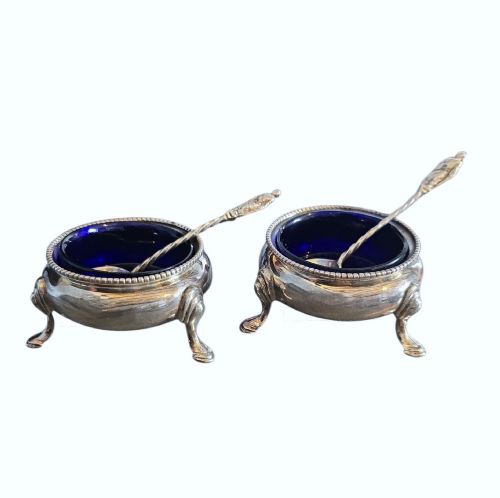
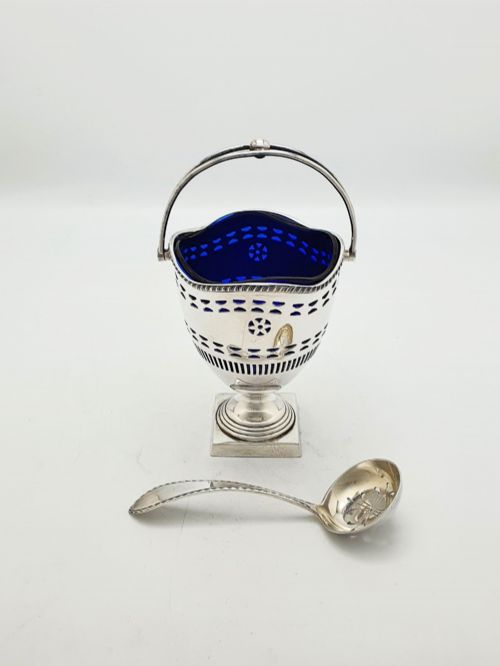
The most common form you will meet on this page is the sugar basket or bowl, often pierced and accompanied by its original cobalt blue glass liner. Other variations include dish rings and salt cellars, spanning periods from the Georgian era through to the early 20th century.
The materials recorded in these listings combine sterling silver, silver plate, or 800 silver with vibrant cobalt glass and occasionally silk linings. Styles move from formal Georgian Revival and Victorian designs to German Historicism and Edwardian delicacy.
How they were made
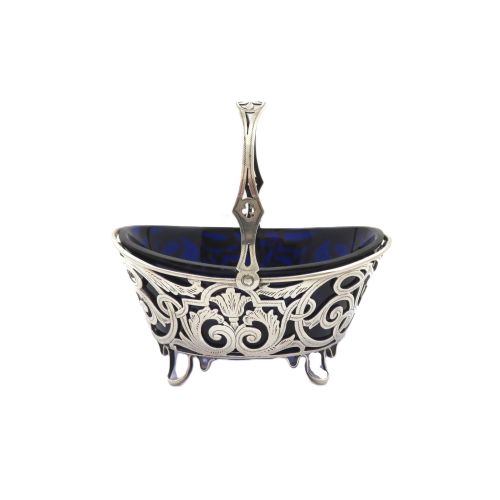
Makers shaped the metal components through casting, piercing, and silversmithing techniques to create structural baskets, dish rings, and frames. Piercing involved hand-cutting intricate geometric or floral patterns into the silver, allowing the dark blue glass beneath to show through.
The glass elements were blown into rich cobalt blue shades, providing a vivid contrast against the polished sterling silver or silver plate. Metalwork frames were then engineered to securely house these fragile glass liners, sometimes accompanied by fitted presentation cases.
Silver Cobalt Glass Bowl Retail Price Guide 2026
Typical asking prices for silver cobalt glass bowl among the pieces listed under this phrase on Sellingantiques today, from the lower quarter to the upper quarter. They describe what is for sale here now, not the wider market.
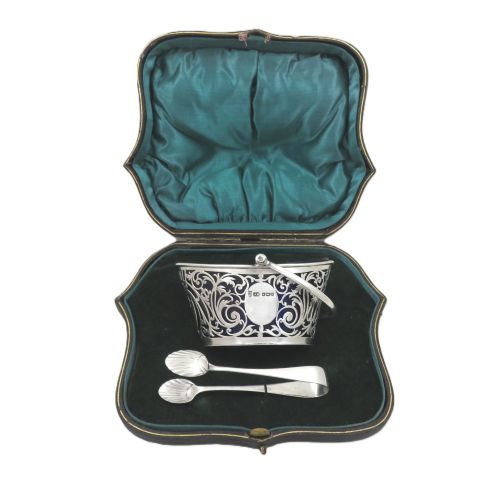
Some Edwardian bon bon dishes come tucked inside their original velvet-lined presentation cases, waiting quietly for a century-old party.
What varies in quality
Quality rests upon the crispness of the metal casting and the fineness of any pierced work, where sharper lines and deeper relief indicate higher craftsmanship. The weight and gauge of the sterling silver or 800 silver also distinguish heavier, more substantial vessels from lighter plated equivalents.
Preservation of the original cobalt glass liner without chips or cracks elevates a piece, as does the retention of matching spoons, fitted cases, or clearly struck hallmarks. The sophistication of design, whether a simple Edwardian bon bon dish or a large German historicist centrepiece, determines the overall calibre of the item.
Aldridge & Green
The Silver Cobalt Glass Bowl Glossary
- Cobalt glass
- Deep blue glass produced by adding cobalt oxide to the molten batch. It provides a striking visual contrast when encased in pierced silver.
- Sugar basket
- A small tabletop basket used during the Georgian and Victorian periods to hold sugar lumps or granules. They frequently incorporate removable glass liners.
- Dish ring
- A spool-shaped stand, also known as a potato ring, placed on the dining table to support hot dishes. Irish examples are particularly notable in silver form.
- Salt cellar
- A small open vessel used to hold loose salt at the dining table, often lined with blue glass and accompanied by tiny spoons.
- Pierced silver
- Metalwork decorated by cutting openings through the silver sheet to form patterns. This technique allows coloured glass liners to remain visible from the exterior.
Silver Cobalt Glass Bowl: Frequently Asked Questions
What were silver cobalt glass bowls used for?
These vessels primarily served formal dining functions, holding sugar, salt, or small confections during tea and dinner services. The rich blue glass insert protected the precious metal frame from corrosive contents while adding visual depth to the table.
Over time, forms evolved from Georgian sugar baskets and Irish dish rings into Edwardian bon bon dishes and grand Victorian centrepieces. They remained central to the presentation of refined hospitality through multiple stylistic eras.
How do I identify the period of a piece?
Dating relies on stylistic markers, construction methods, and hallmarks stamped into the silver components. Georgian and Victorian examples display heavier casting and traditional floral motifs, whereas Edwardian pieces lean towards lighter, delicate framing.
Materials also offer clues, with 18th Century pieces showing distinct silversmithing traits compared to later 1900 or German Historicism items. Examining the form alongside any case or liner helps confirm the era of manufacture.
Are the glass liners removable?
Most cobalt glass liners lift freely out of their pierced or cast silver frames for cleaning and maintenance. This modular construction allowed the glass to be washed separately from the delicate silver metalwork.
Because liners were fragile, surviving examples retain their original matching glass, which contributes significantly to the integrity of the piece. Replacements are sometimes found on later market iterations.
How should I care for silver and glass items?
Maintenance requires gentle cleaning of the metal components with appropriate silver polish while avoiding harsh abrasives near any hallmarks. The cobalt glass liner can be washed separately in warm soapy water and dried thoroughly before replacement.
Storing pieces in stable environments away from high humidity helps prevent tarnish on the sterling silver or silver plate. Silk linings, where present, require particular care to avoid moisture damage.