
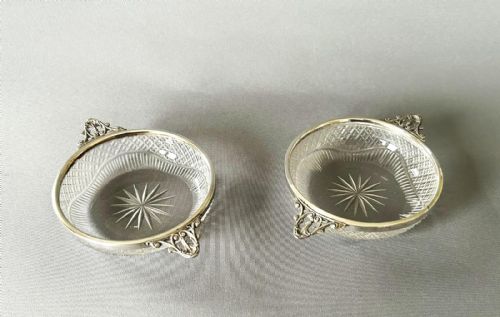
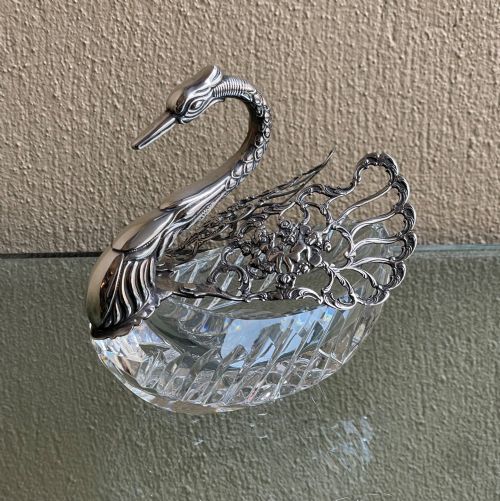


Vintage Glass Silver Bowl
A vintage glass silver bowl combines clear or coloured crystal with bright metal mounts, bringing weight and sparkle to a dining table or dressing surface.
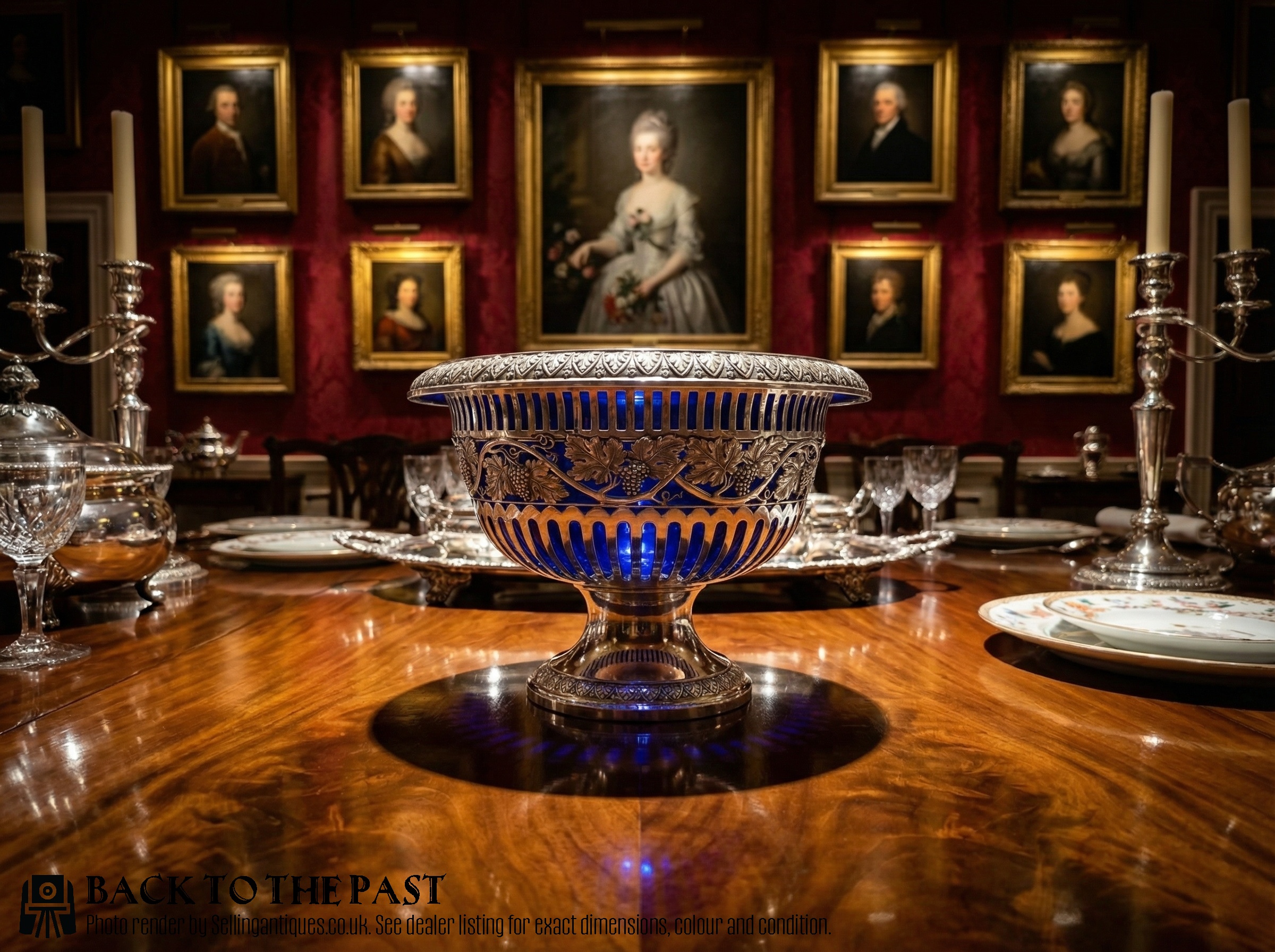
Vintage Glass Silver Bowl
A vintage glass silver bowl encompasses small trinket jars, preserve dishes, and larger centrepieces that pair glass bodies with silver or silver-plated fittings. You are likely to meet Edwardian dressing table pots, Art Deco enamel-topped boxes, and Victorian cranberry glass preserve dishes set in pierced metal baskets.
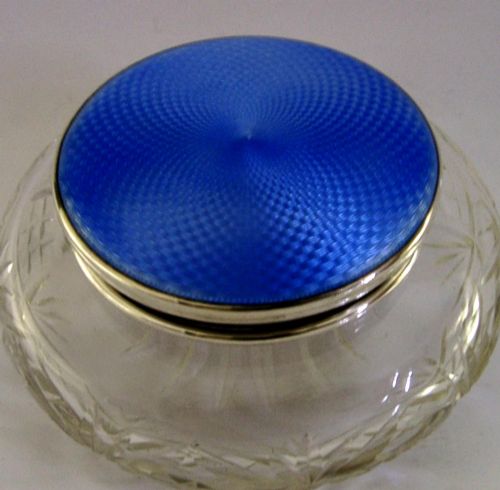
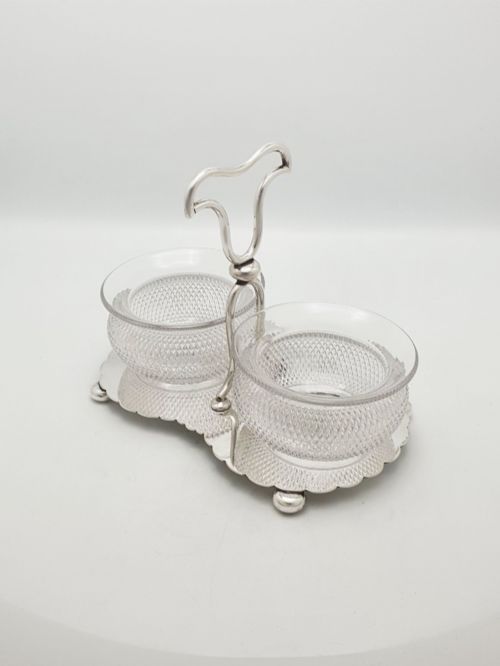
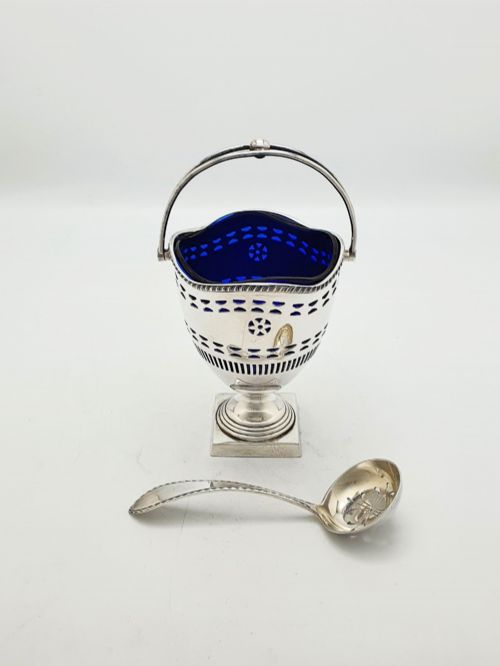
Makers utilised distinct coloured glass liners, including rich cobalt and vibrant cranberry, paired with sterling silver rims, pierced silver-plate frames, or hinged lids. These items range from compact condiment stands to substantial centrepieces intended for display.
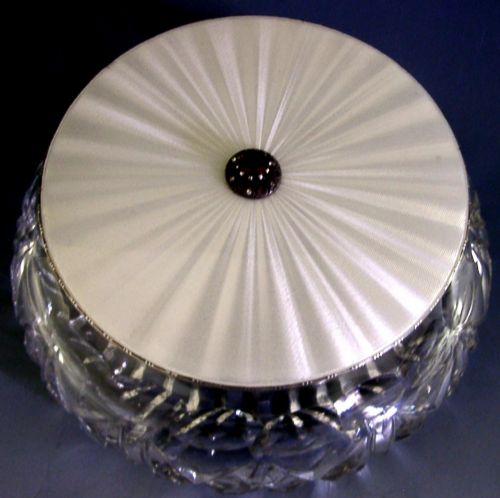
The selection includes specialised forms such as sugar bowls with sifters, bon-bon dishes encased in silver, and lidded vanity jars incorporating enamel or tortoiseshell details. Each piece merges utilitarian function with decorative metalwork characteristic of its period.
Materials and construction methods
Artisans combined heavy cut glass or crystal with sterling silver and silver-plated mounts, often utilising deep mould-blowing and hand-cutting techniques to achieve faceted patterns. Glass bodies were fitted with cast or pierced metal rims, hinged lids, and bespoke handles.
Specialised items integrate coloured glass elements such as cobalt and cranberry hues alongside applied decorative details like vitreous enamel and tortoiseshell panels. Metal components frequently feature hallmarks indicating assay offices in cities such as Birmingham.
Listings feature items spanning the Victorian era through the Edwardian period, Art Deco, and Mid-Century Modern designs.
Evaluating craftsmanship and condition
Quality rests in the crispness of the glass cutting and the weight of the silver or silver-plated mount rather than mere surface decoration. Heavy crystal bases with deep hand-cut facets outclass lighter, moulded alternatives.
The precision with which metal mounts fit the glass vessel distinguishes finer examples, alongside the intact preservation of fragile additions like coloured enamel panels, tortoiseshell inlays, and delicate pierced silver work.
W M F
The Vintage Glass Silver Bowl Glossary
- Cut Glass
- Glass shaped and patterned by grinding and polishing wheels, creating sharp facets that catch the light. This technique provides the heavy, brilliant body characteristic of better quality bowls.
- Silver Plate
- A base metal coated with a thin layer of sterling silver, widely utilised for Edwardian and Victorian frames and stands. It offers the appearance of solid silver at a different cost level.
- Cranberry Glass
- Transparent glass coloured a deep red-pink shade through the addition of gold chloride during manufacture. It appears frequently in Victorian and Edwardian preserve dishes.
- Cobalt Glass
- Deep blue glass produced by adding cobalt oxide to the molten batch. It provides a striking contrast when paired with pierced silver mounts.
- Trinket Box
- A small lidded container designed for dressing tables to hold jewellery or pins. These pieces often feature glass bases with sterling silver or enamelled lids.
Vintage Glass Silver Bowl: Frequently Asked Questions
How were these bowls originally used?
These vessels served various domestic functions, from holding jams and condiments at the dining table to storing cosmetics and pins on dressing tables.
Smaller lidded versions acted as trinket boxes, while larger pierced frames supported coloured glass liners for display or serving.
How do I clean the silver and glass?
Wash the glass body separately in warm soapy water, avoiding harsh abrasives that might scratch the surface or damage coloured finishes.
Polish the silver mounts gently with a specialised cloth, taking care to keep polishes away from glass inserts and delicate enamel or tortoiseshell panels.
How do I tell Victorian pieces from Art Deco examples?
Victorian items often lean towards ornate Rococo Revival styling, heavy cranberry glass, and detailed pierced silver-plated baskets or frames.
Art Deco pieces display geometric lines, streamlined forms, and vibrant blue enamel tops set against heavy cut crystal.
Are replacement glass liners easy to find?
Original glass liners are specific to their mounts, matching precise dimensions, lip configurations, and depths.
Finding exact replacements is difficult because makers produced custom glass to fit individual frames.