


Silver Cellar Set
A silver cellar set gathers small vessels for salt and condiments, bringing formal dining history directly to the modern table.
Silver Cellar Set
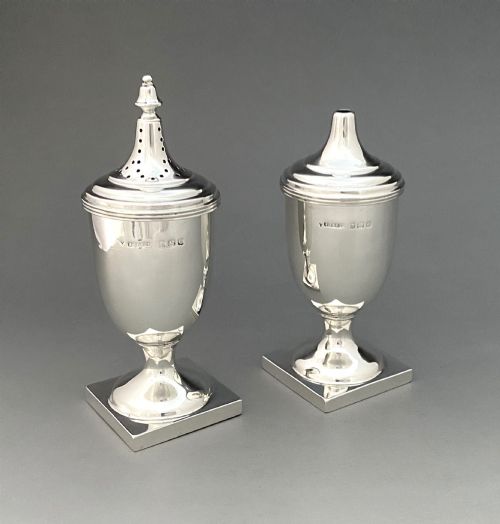
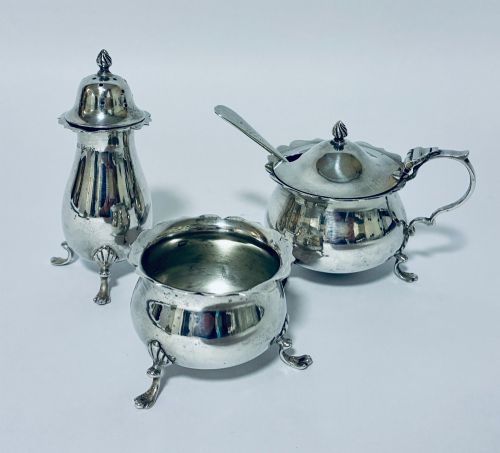
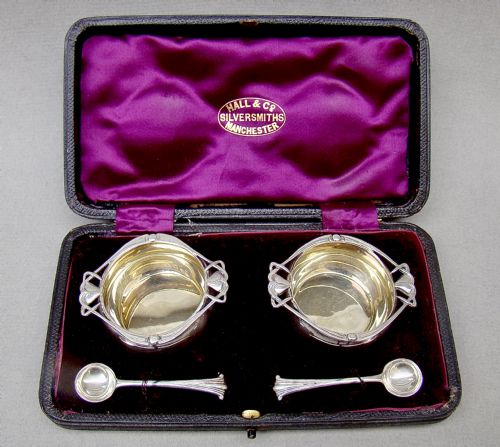
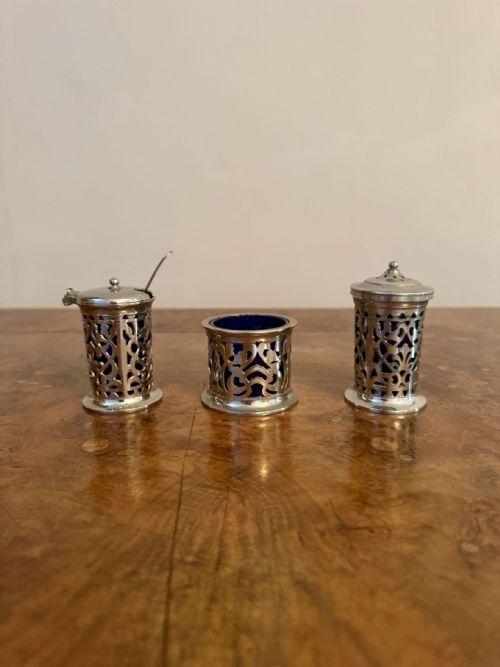
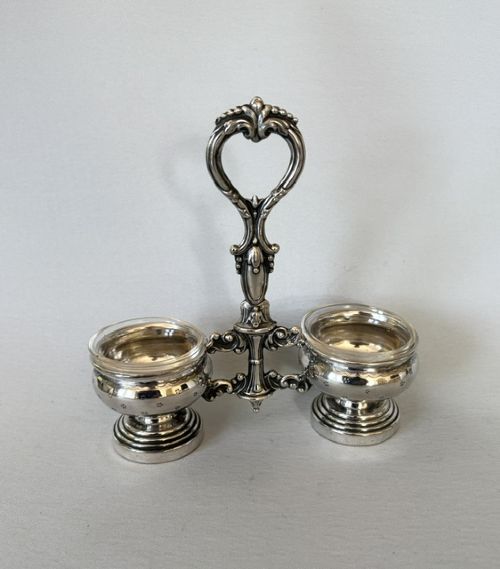
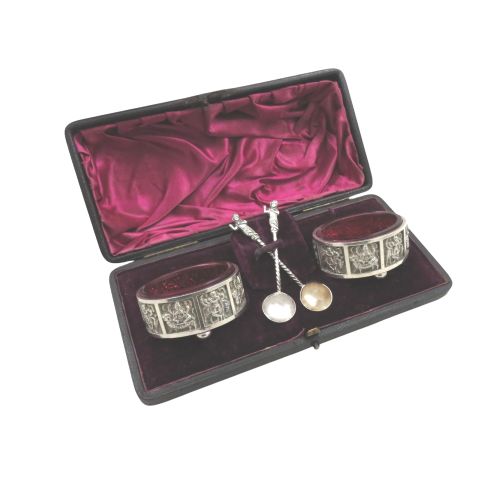
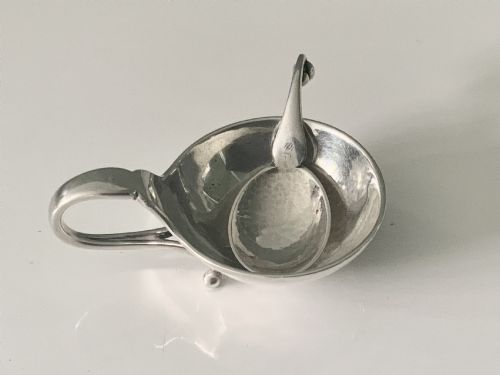
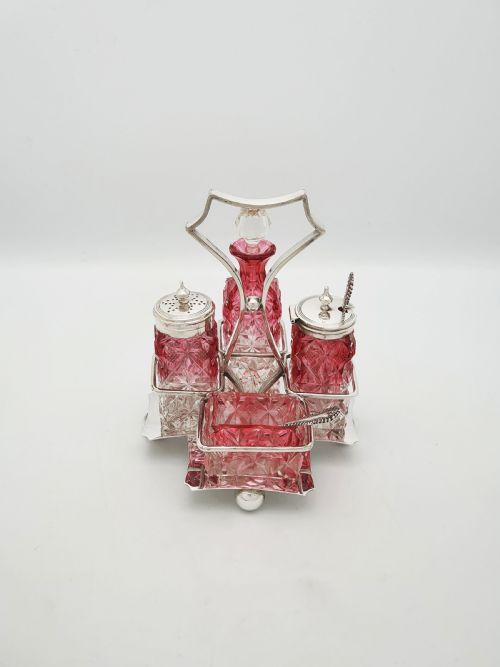
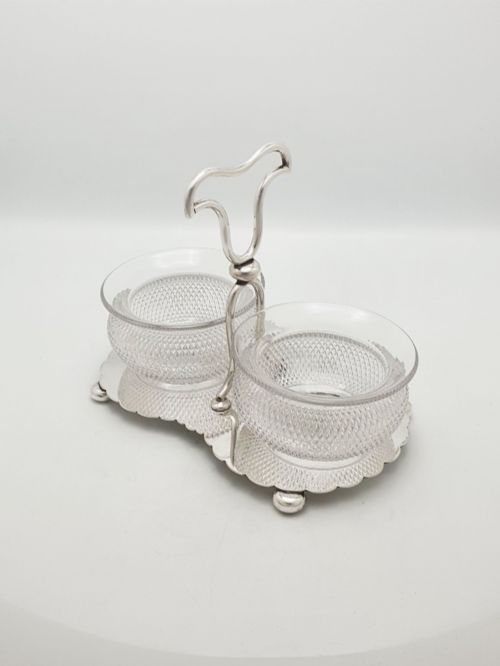
A silver cellar set comprises multiple small dishes, pots, or shakers designed to hold salt, pepper, and mustard on the dining table. These groupings range from matched pairs of open salt cellars with spoons to elaborate framed cruet stands housing four or more bottles and pots.
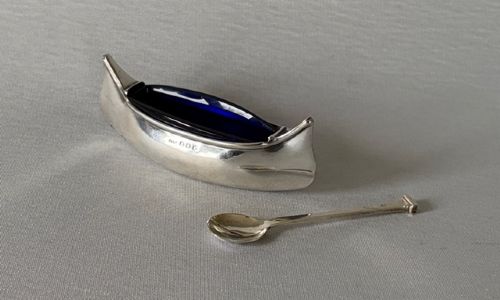
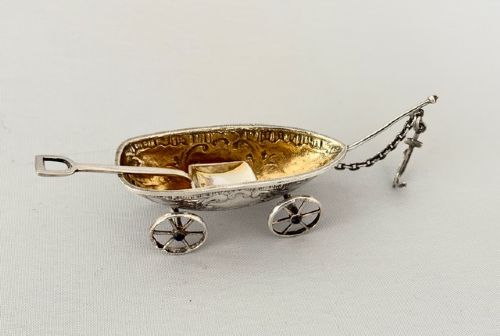
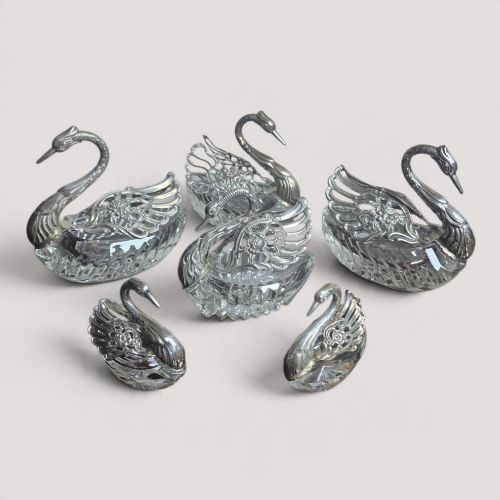
The versions most commonly met on this page date from the Victorian and Edwardian periods, alongside pieces spanning the Georgian era and the Art Deco years. Forms include traditional cauldron salts, boat-shaped vessels, and novelty animal designs.
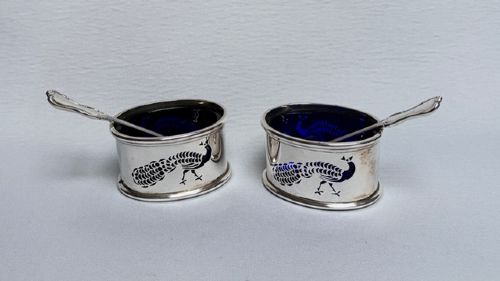
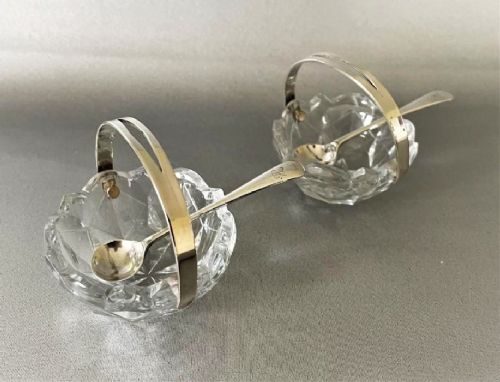
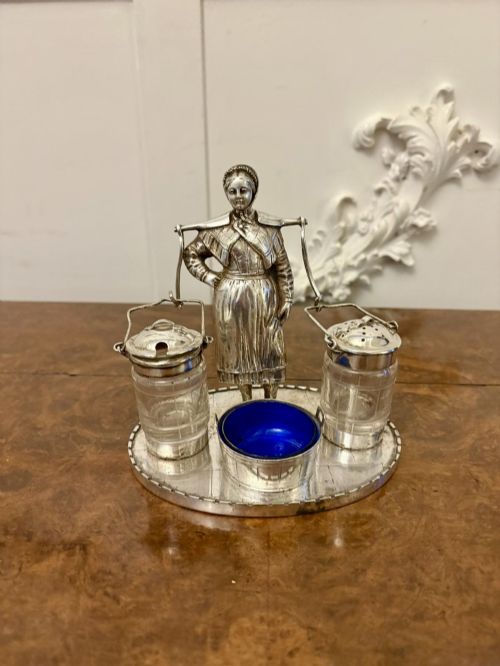
Many of these sets incorporate glass liners in cobalt blue, cranberry, or clear cut glass, which protected the silver from corrosive salts. Fitted presentation cases often accompany cased pairs or multi-piece condiment collections intended for gifting.
Materials and construction
Silversmiths utilised sterling silver and silver plate over base metals, shaping bodies through casting, hammering, and piercing techniques. Many pieces rely on heavy cut glass or blown glass liners paired with pierced silver mounts.
Internal components frequently feature coloured glass inserts, such as cobalt or cranberry glass, held securely within the metal framework. Maker marks, date letters, and assay office stamps are typically punched directly into the silver surfaces.
Silver Cellar Set Retail Price Guide 2026
Typical asking prices for silver cellar set among the pieces listed under this phrase on Sellingantiques today, from the lower quarter to the upper quarter. They describe what is for sale here now, not the wider market.
Listings span the Georgian, Victorian, and Edwardian eras, incorporating sterling silver, silver plate, cut glass, and coloured glass liners.
Evaluating the pieces
Quality rests upon the crispness of the chased or pierced decoration and the thickness of the silver gauge used in the body. Sets retaining their original matching spoons and undamaged coloured glass liners hold greater integrity.
Maker attribution to notable silversmiths elevates a set, as does the survival of the fitted presentation box in clean condition. The balance between the stand and its individual bottles or pots dictates the overall visual harmony.
Josiah Williams and Co·William Neale·Georg Jensen·Paul Storr·Thomas Smily·Bateman·Bricks and Sons
The Silver Cellar Set Glossary
- Cruet set
- A collection of small bottles or pots for holding condiments, usually fitted into a metal frame or stand.
- Cauldron salt
- A small, round salt cellar raised on three short feet, resembling a miniature cooking pot.
- Cobalt glass
- A deep blue glass frequently utilised for removable liners inside open silver salt cellars.
- Condiment set
- A matched grouping of tableware vessels for salt, pepper, mustard, and sometimes oil or vinegar.
- Silver plate
- A layer of silver fused over a base metal foundation, common in late nineteenth-century cruet frames.
Silver Cellar Set: Frequently Asked Questions
What is a silver cellar set used for?
These sets hold salt and various table condiments for dining service. Before modern shakers became common, diners used small spoons to take salt from open vessels.
Today, they serve both decorative display and practical table use for salts, herbs, or small portions.
How can I tell the period of a set?
Examine the stamped hallmarks on the silver body, which indicate the assay office, date letter, and standard of metal. Stylistic clues such as Art Deco geometric lines or Victorian rococo revival scrolls also point to specific eras.
Matching the construction methods of the frame helps confirm the manufacturing period.
Can I use coloured glass liners safely?
Original glass liners are durable but require careful hand washing in lukewarm water to prevent thermal shock. Avoid using abrasive scrubbers on either the glass or the inner silver surfaces.
Replacement liners can be found if an original is missing or cracked.