


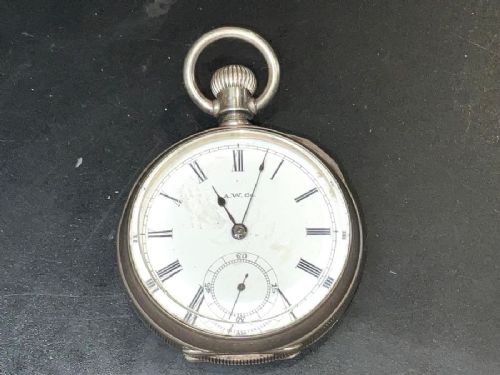
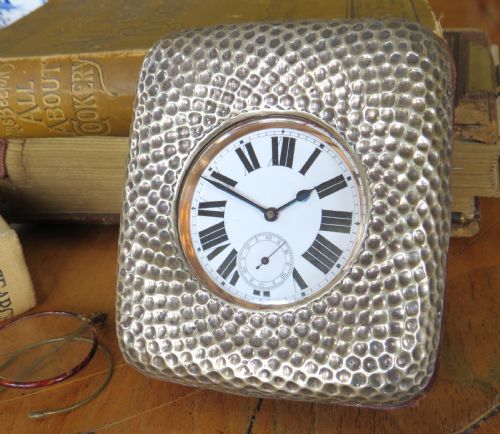
Silver Casing Pocket Watch
A silver casing pocket watch brings together precision mechanics and solid metal protection, offering a tangible link to past timekeeping traditions.
Silver Casing Pocket Watch
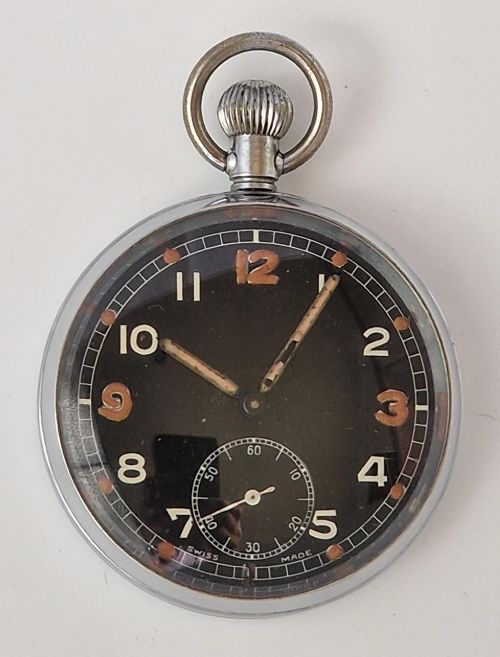
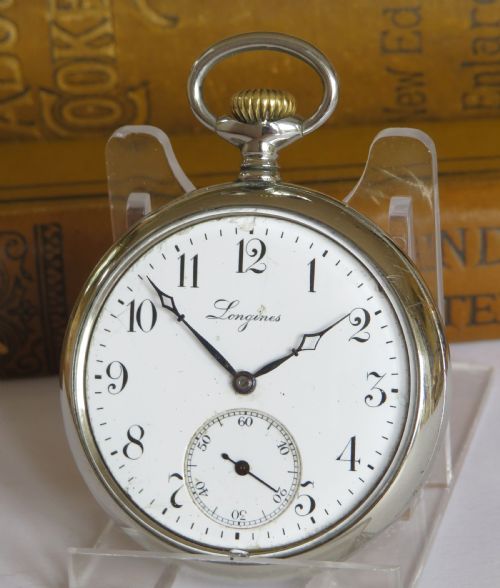
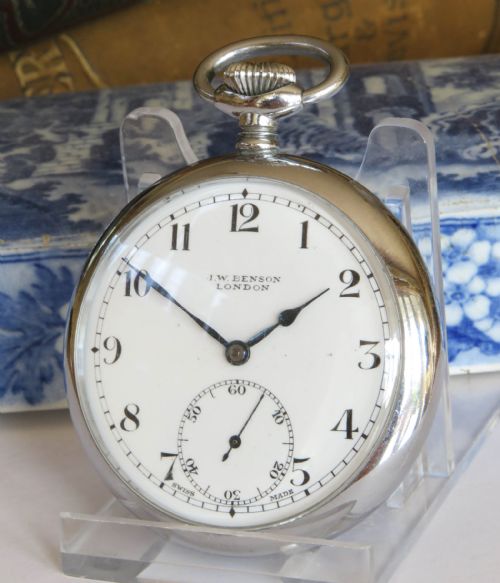
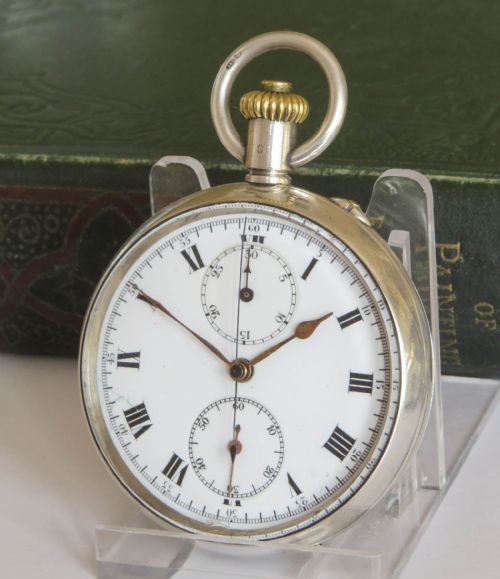
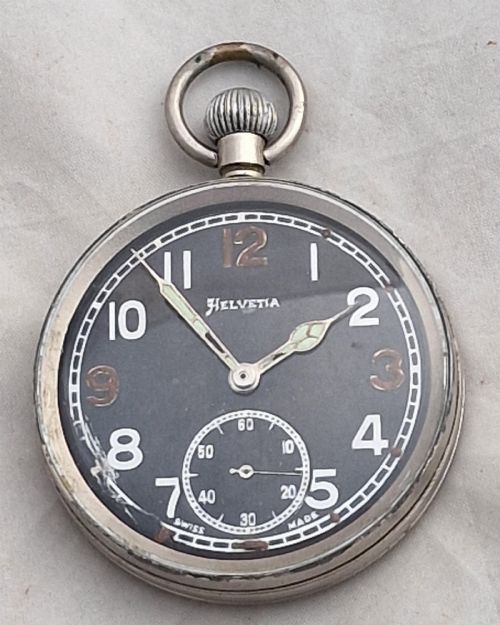
When you search for a silver casing pocket watch, you encounter a variety of pocket pieces spanning the eighteenth century through the mid-twentieth century. The selection ranges from early pair cased designs to Edwardian sovereign cases and military timepieces.
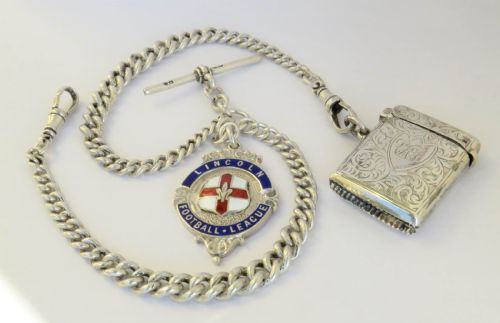
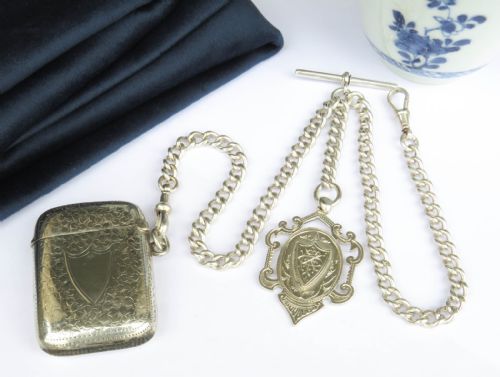
You are most likely to meet nineteenth and early twentieth-century examples on this page. These include sterling silver pocket watches alongside related items such as vesta cases, watch chains, and travel clocks.
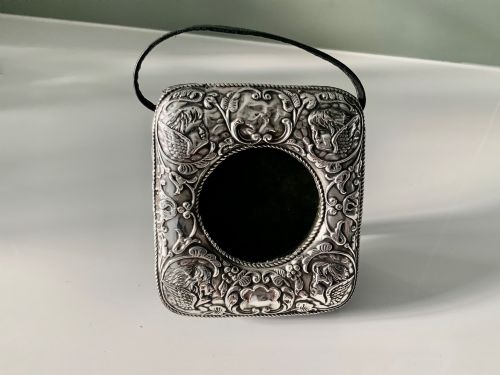
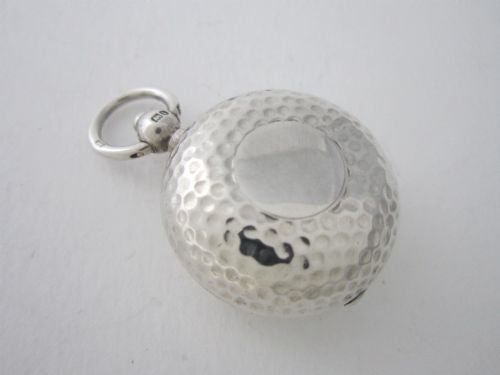
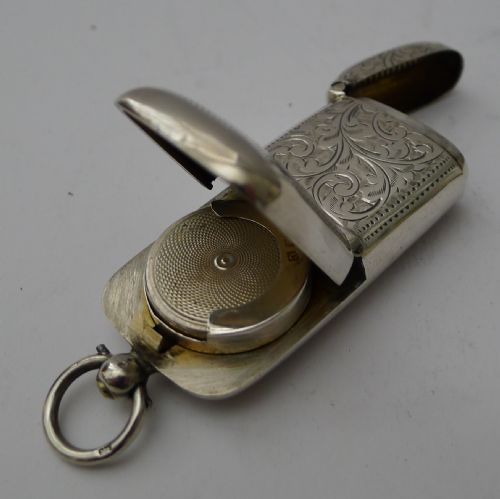
The objects originate from diverse makers and periods, incorporating Victorian, Edwardian, and Art Deco styles. Alongside standard timepieces, the evidence records functional accessories made to house coins, stamps, and matches.
Materials and construction
The pieces rely primarily on silver and sterling silver for their protective outer shells, often paired with internal brass and steel mechanical components. Glass protects the delicate dials, while occasional examples incorporate enamel work or chrome plate.
Construction techniques evolved from early eighteenth-century pair cased designs, where an inner watch fitted inside a separate outer silver case, to later unified hinged silver casings. Skilled silversmiths shaped the metal housings while watchmakers fitted intricate escapements inside.
Silver Casing Pocket Watch Retail Price Guide 2026
Typical asking prices for silver casing pocket watch among the pieces listed under this phrase on Sellingantiques today, from the lower quarter to the upper quarter. They describe what is for sale here now, not the wider market.
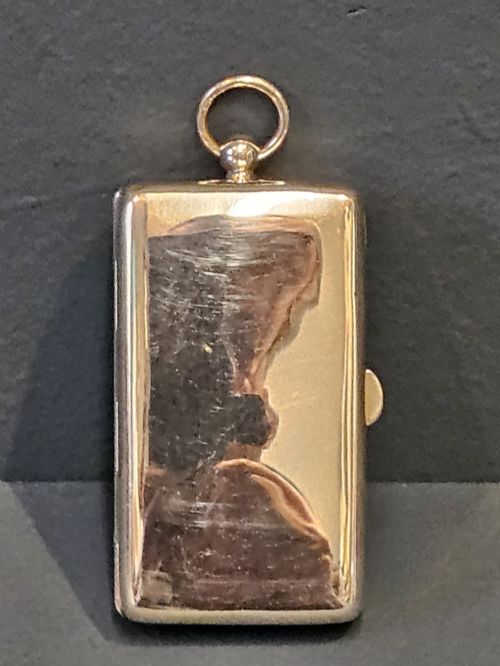
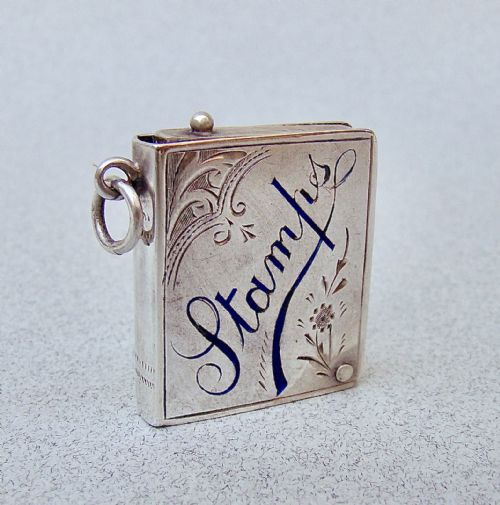
One exceptional pocket watch case doubles as a silver book to safely store stamps.
Factors of quality
Quality rests in the precision of the inner movement and the crispness of the silver casing's hallmarks and engraving. Pieces by notable makers or those featuring specialised dials, such as champlevé or painted maritime scenes, demonstrate superior craftsmanship.
The integrity of the silver housing, the smooth operation of hinged covers, and the original matching of case to movement determine the overall standing of an individual piece.
J W Benson·Aaron Lufkin Dennison·Mappin & Webb·Crisford & Norris·Waterbury USA
The Silver Casing Pocket Watch Glossary
- Pair cased
- An early watch design featuring two separate protective metal cases, one housing the other for extra security against dust and damage. This method was common in the eighteenth century.
- Sovereign case
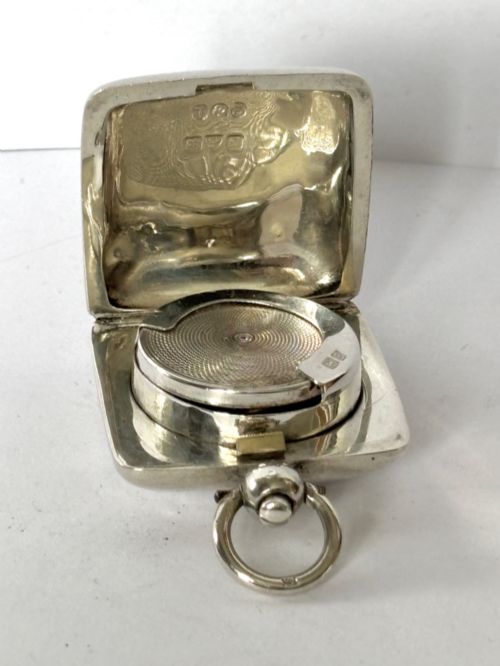
- A small round container engineered to hold gold sovereign coins securely in the pocket. These often accompany watch albert chains.
- Verge escapement
- An early type of watch mechanism controlling the release of the gear train. It represents traditional mechanical timekeeping before later refinements.
- Full hunter
- A pocket watch featuring a spring-loaded metal cover that protects the glass dial from scratches. The cover opens via a button mechanism on the crown.
Silver Casing Pocket Watch: Frequently Asked Questions
What is a silver casing pocket watch?
A silver casing pocket watch is a portable timepiece housed within a protective metal shell made of silver or sterling silver. These items encompass standard pocket watches, travel clocks, and related pocket accessories from past centuries.
Such objects combine mechanical timekeeping with durable metal smithing, reflecting the style and technological standards of their respective periods.
How do I wear a pocket watch chain?
Pocket watch chains, often called alberts, attach securely to a waistcoat buttonhole while the watch itself rests safely in the pocket. Companion items like vesta cases or sovereign holders often suspend from the same chain.
This arrangement kept essential daily pocket items tethered together and easily accessible during the Victorian and Edwardian eras.
What is the difference between a hunter and an open face watch?
A hunter watch possesses a hinged metal cover that shields the glass dial from direct impact. The cover opens by pressing the crown.
An open face watch lacks this protective lid, leaving the dial visible at all times for quick reading.
How do I care for antique silver cases?
Antique silver cases require gentle cleaning with a soft cloth to preserve hallmarking and surface detail. Avoid harsh chemical dips that strip away the natural patination accumulated over generations.
Store mechanical timepieces in dry environments away from direct sunlight to protect both the metal exterior and the internal movement.