



Silver Branch Candlestick
When you search for a silver branch candlestick, you find multi-light lighting that brings functional elegance to a dining table.

Silver Branch Candlestick
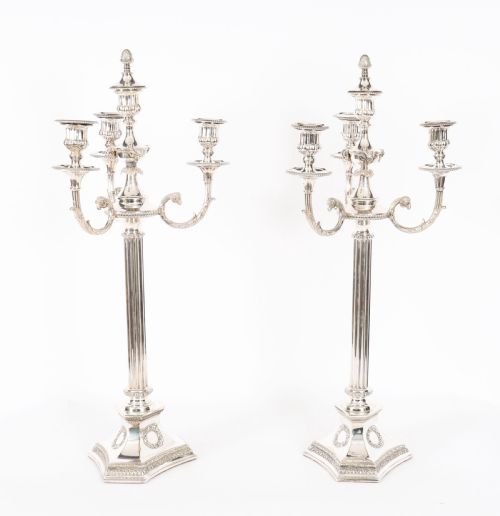
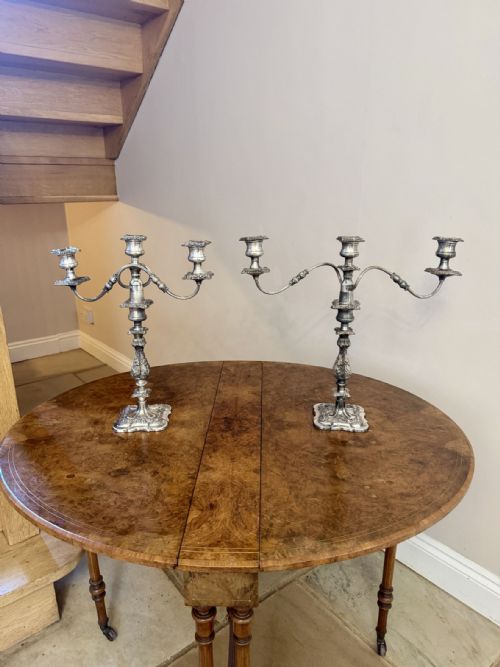
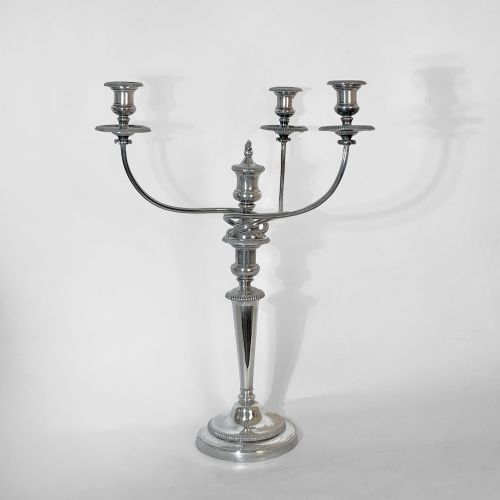
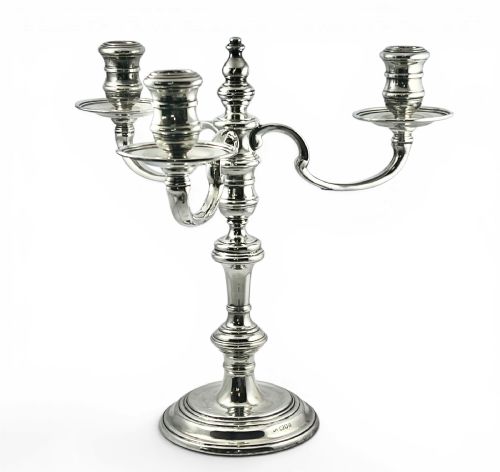
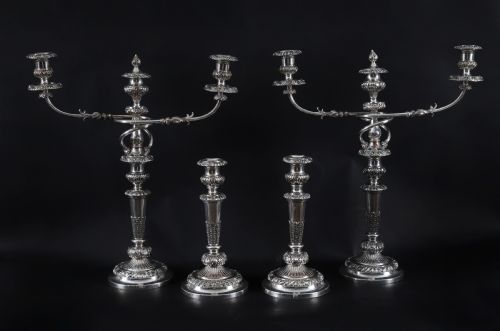
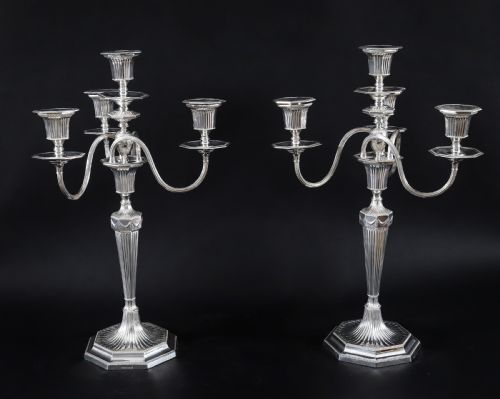
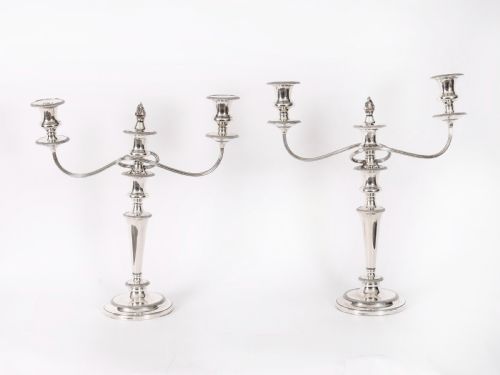
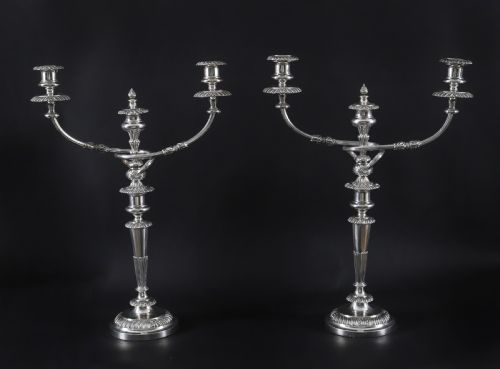
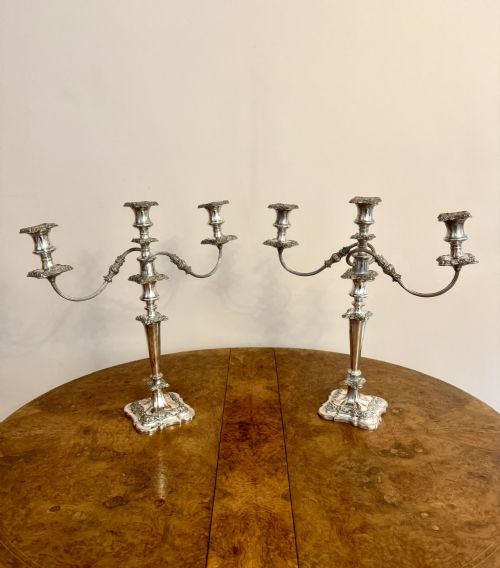
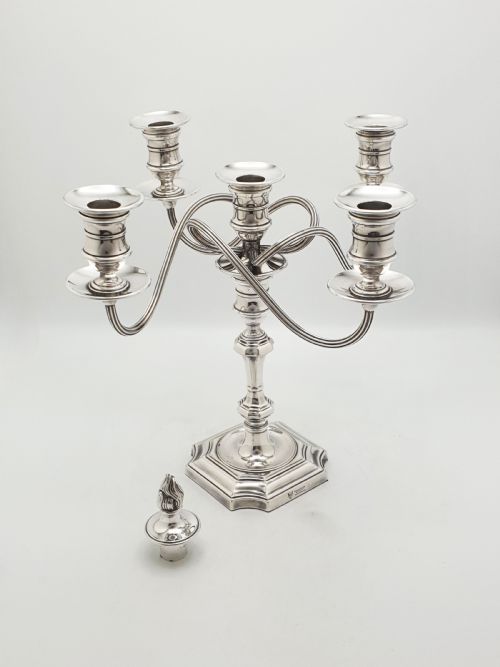
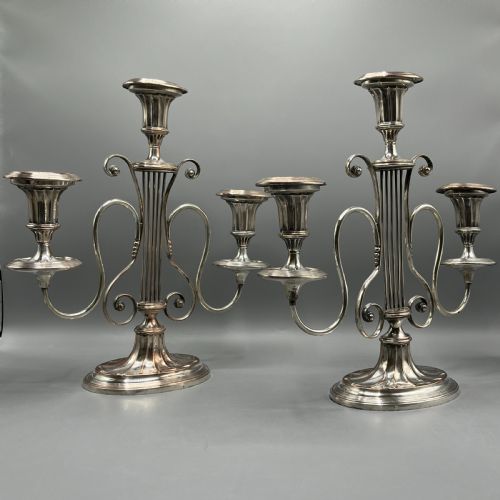
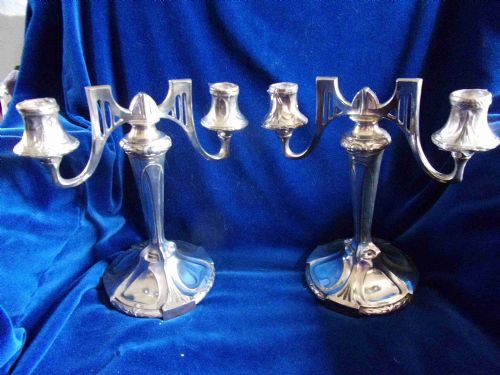
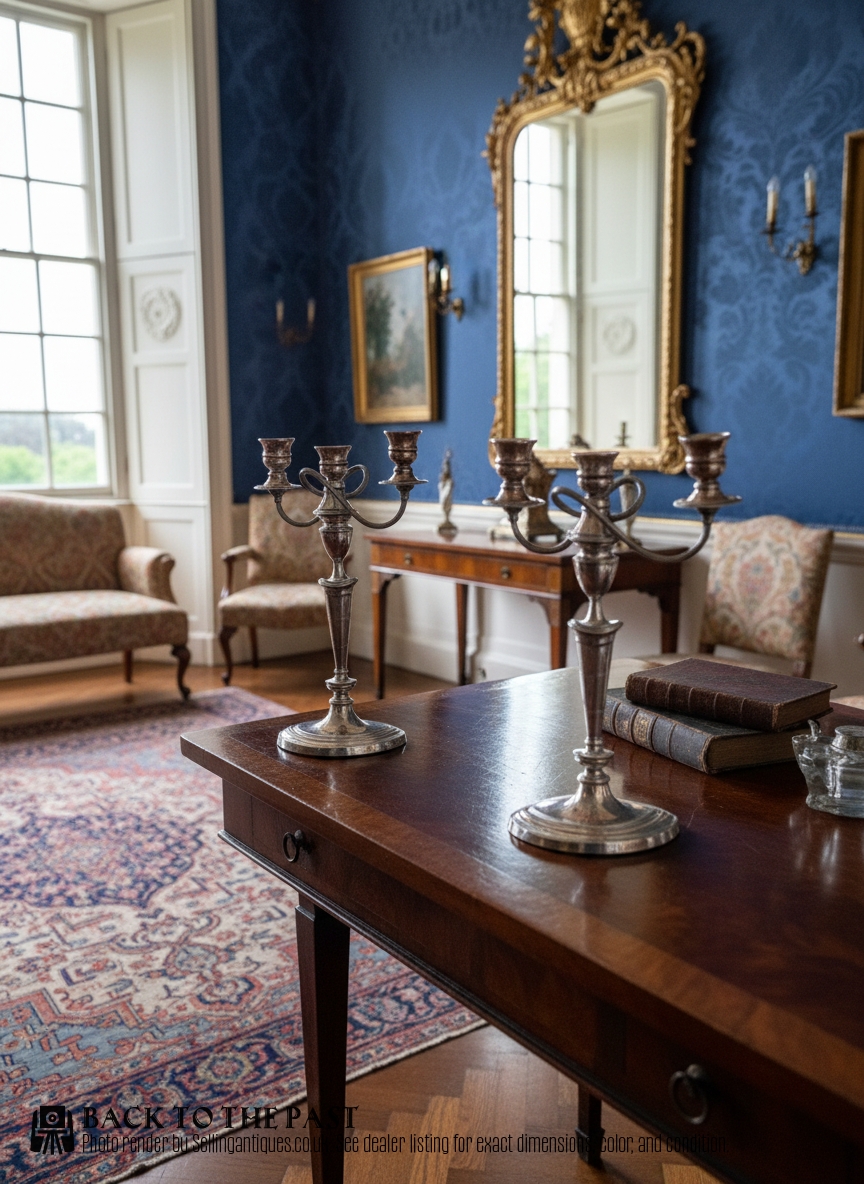
A silver branch candlestick typically manifests as a multi-light candelabrum or a candelabra pairing, designed with extending arms to hold several candles simultaneously. These pieces range from compact two-branch table models to large dining room centrepieces carrying up to five lights.
The selections span multiple eras, with Victorian and George III examples appearing frequently alongside Edwardian, Art Deco, and mid-century items. Makers often utilised silver plate, Old Sheffield plate, and sterling silver across these periods, creating varied configurations of branches and sconces.

Materials and construction methods
Silversmiths constructed solid pieces from sterling silver, while workshops produced more accessible items using silver plate or Old Sheffield plate over copper bases. Some examples incorporate alternative metals like spelter, bronze, or crystal alongside the silvered surfaces.
Makers formed the branching arms and detachable sconces through casting and hand-wrought techniques, soldering or screwing the components together. Plated items relied on fusing thin silver sheets to copper or electroplating nickel silver to achieve a uniform finish.
Silver Branch Candlestick Retail Price Guide 2026
Typical asking prices for silver branch candlestick among the pieces listed under this phrase on Sellingantiques today, from the lower quarter to the upper quarter. They describe what is for sale here now, not the wider market.
One cheerful Art Deco design reimagines the branch concept entirely by placing candles in the hands of a lively Hollywood girl figure.
Distinctions in execution
Quality rests in the crispness of the chased or cast ornamentation, such as rococo scrolls, floral motifs, or classical revival details. Superior examples exhibit balanced weight distribution across the branches and secure joints where the arms meet the central column.
The integrity of the surface finish marks another distinction, visible in the preservation of the original plating or the substantial gauge of solid silver used. Workshops known for high-standard production, such as those of Matthew Boulton or Hawksworth Eyre, maintained rigorous standards in structural joinery.
Hawksworth Eyre·Garrard and Co·Matthew Boulton·Blagden Hodgson and Co·Barker Ellis·Robert Edgar Stone
The Silver Branch Candlestick Glossary
- Candelabrum
- A large branching candlestick designed to hold multiple candles at once. Most examples feature a central shaft supporting two or more arms.
- Sconce
- The detachable cup at the top of a branch that catches melting wax and holds the candle in place. These components lift out for cleaning.
- Old Sheffield Plate
- A material made by fusing a thin sheet of silver to a thicker copper base before rolling them together. This technique predates modern electroplating.
- EPNS
- Electroplated nickel silver, a base metal alloy coated with a layer of silver using an electrical current. It became common in the nineteenth century.
- Chasing
- A metalworking technique where a silversmith depresses the front surface with punches to create raised decorative patterns. This method adds texture and relief to the branches.
Silver Branch Candlestick: Frequently Asked Questions
How do I clean my candelabrum?
Use a soft cloth and a gentle silver polish formulated for plated or solid surfaces. Avoid harsh scrubbing that wears down thin plating on older pieces.
Remove the detachable sconces to wash away wax build-up in warm water before polishing the main body and branches.
Can I use standard candles in these?
Most antique sockets accommodate specific taper sizes rather than modern standard dimensions. Check the inner diameter of your sconces before purchasing new candles.
Using beeswax or dripless tapers helps prevent excess wax runoff onto the silver surface during extended dinners.
How can I tell old plate from sterling?
Solid sterling pieces bear official hallmarks indicating the assay office, standard, and date of manufacture. Silver plated items display maker marks that often denote electroplate or Sheffield techniques.
Examining worn edges can reveal the base copper beneath older plated items, which does not occur with solid silver.
Where should I place a large candelabrum?
These pieces function well as dining table centrepieces or on large sideboards where they can stand unobstructed. Ensure the height allows guests across the table to see one another easily.
Keep them away from direct drafts to prevent uneven melting and potential wax drips onto surrounding furniture.