



Silver Bird Table Ornament
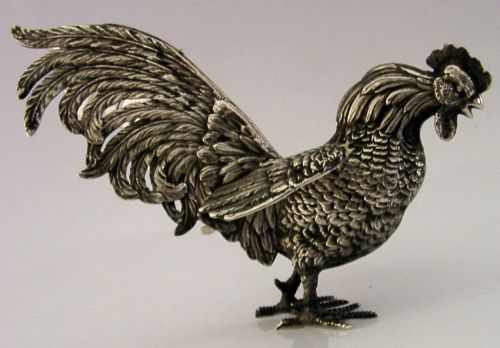
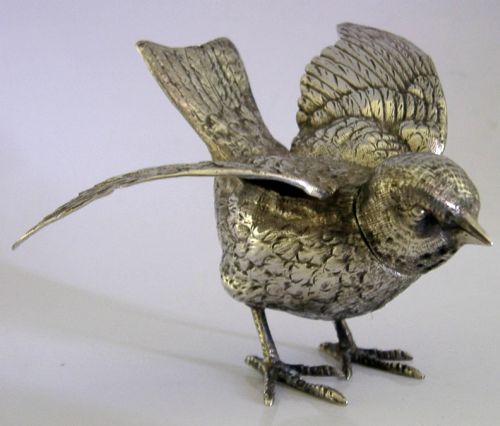
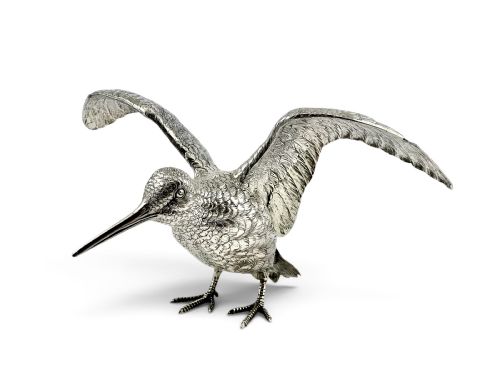
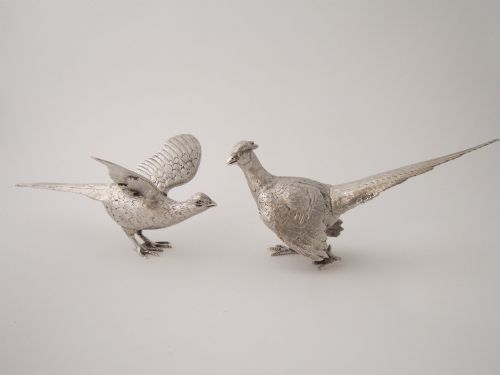
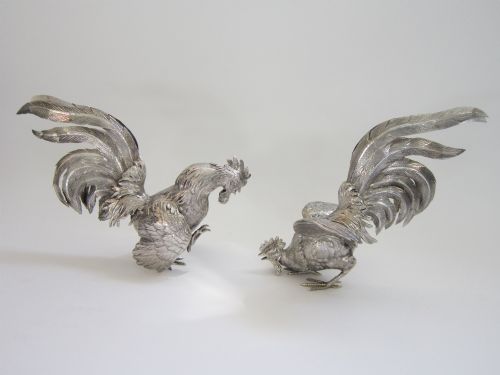
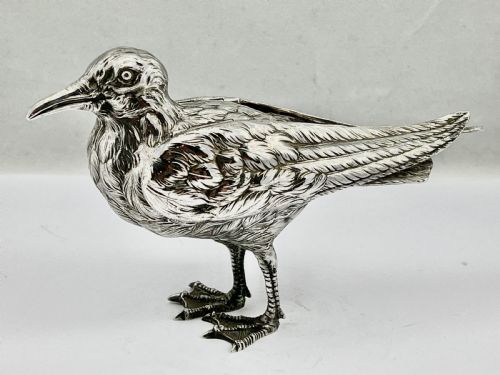
A silver bird table ornament brings life to a room, capturing game birds, owls and cockerels in solid metal.
Silver Bird Table Ornament
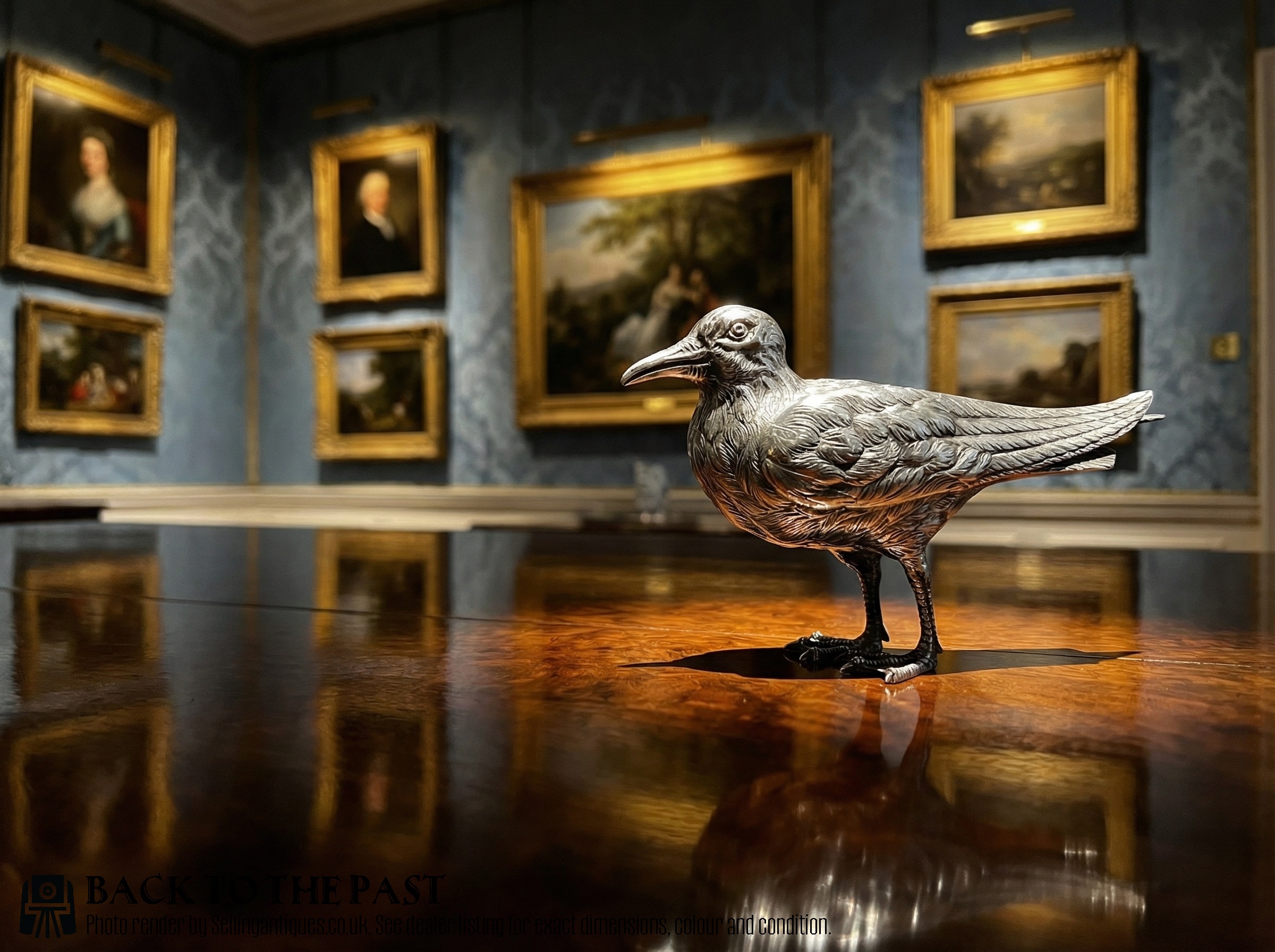
When you search for a silver bird table ornament, you encounter a variety of sculptural forms and functional vessels fashioned into avian shapes. These pieces range from decorative table ornaments and statues to pepper pots and sugar boxes shaped like birds.
The selections span multiple eras, including Victorian, Edwardian, and mid-century periods, with items originating from Britain, Germany, the Netherlands, Italy, and Belgium. Pheasants, cockerels, grouse, woodcocks, and owls appear frequently across the listings.
You are most likely to meet silver or silver-plated pheasants and cockerels, often presented as pairs or individual models. These objects function as standalone decorative items or as functional tableware such as pepper pots.
Materials and construction
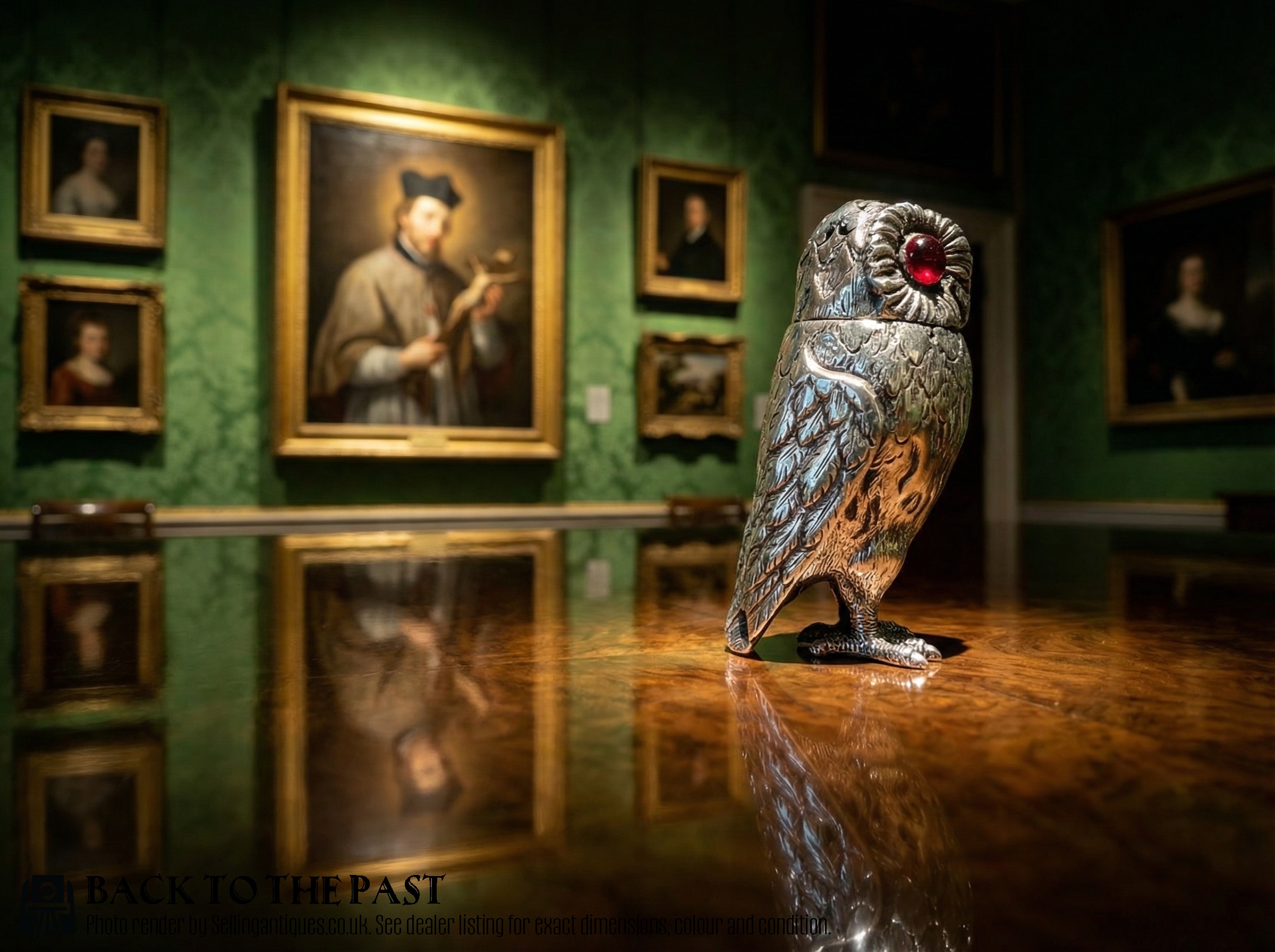
The construction of these pieces relies heavily on sterling silver, solid silver, 833 silver, and silver plate, alongside occasional glass and white metal elements. Many models utilise casting techniques to achieve detailed feather patterns and anatomical accuracy.
Continental workshops, particularly in Germany and the Netherlands, produced intricate hollow or solid animal figures with articulated parts or removable heads for pepper pots and boxes. British makers also favoured traditional casting and repoussé work for avian table pieces.
Quality and execution
The distinction between average and superior examples rests on the sharpness of the chasing and the naturalism of the form. Finer pieces display realistic feather texturing and balanced proportions that reflect careful hand-finishing.
Maker marks, hallmarks, and silver purity standards such as sterling or 833 grade further differentiate the pieces. Substantial weight and solid construction separate top-tier models from lighter silver-plated variants.
Berthold Muller·Boaz Moses
The Silver Bird Table Ornament Glossary
- Hallmark
- Official stamps applied to precious metals indicating the standard of purity, the maker, and the year of assay. These marks provide reliable clues to the origin and date of an ornament.
- Chasing
- A metalsmithing technique where the artisan hammers metal from the front to sink the surface and create raised decorative patterns. This method defines feather details on many bird figures.
- Repoussé
- A method of shaping metal by hammering from the reverse side to form a design in relief. It works in tandem with chasing to give depth to sculptural animal models.
- Sterling silver
- An alloy consisting of ninety-two point five percent silver and seven point five percent other metals, usually copper. This standard governs much of the British and continental silver production.
- Table ornament
- A decorative object designed to sit on a dining table, sideboard, or cabinet without a primary functional role. Many bird models serve this exact purpose.
Silver Bird Table Ornament: Frequently Asked Questions
What birds do these ornaments represent?
The pieces depict a wide range of avian species, most commonly pheasants, cockerels, grouse, woodcocks, owls, and wading birds. Makers drew inspiration from both British game birds and exotic or farmyard fowl.
Pairs of pheasants and fighting cockerels appear regularly, reflecting popular decorative themes from the Victorian era through the mid-twentieth century.
Were these ornaments used as tableware?
Many silver bird figures double as functional items, such as pepper pots, salt cellars, or sugar boxes. The heads often detach to allow spices or sugar to be poured.
Other pieces function strictly as decorative statues and table ornaments, designed solely for display on surfaces rather than dining use.
How do I identify the origin of a piece?
Origin is typically determined by examining the hallmarks and stamps stamped onto the silver. British pieces bear standard assay office marks, while continental items often display foreign standard marks like 833 or town marks associated with silversmiths in Hanau or the Netherlands.
Stylistic cues, such as the specific casting techniques used by continental European workshops, also point toward particular regions.
What is the difference between solid silver and silver plate?
Solid silver pieces are made entirely of silver alloy throughout their structure, meeting recognised purity standards such as sterling or 833 silver. These items carry inherent weight and precious metal value.
Silver-plated items consist of a base metal, such as copper or white metal, coated with a thin layer of silver. These alternatives offer the visual appearance of silver at a different scale of manufacture.