


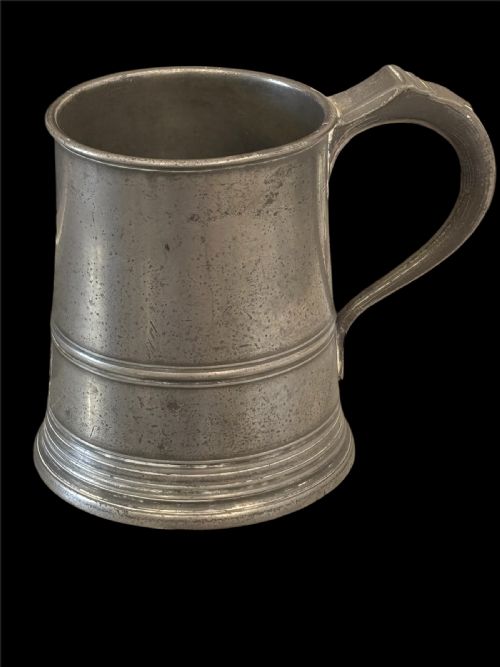


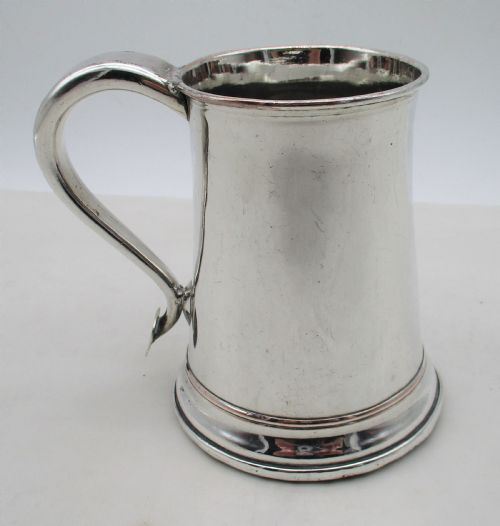


Silver Ale Tankard
A silver ale tankard is a robust drinking vessel built for heavy use, offering tangible weight and history for your table.
Silver Ale Tankard
The selection ranges from solid sterling silver Georgian pieces to Old Sheffield plate and pewter. Many examples date from the eighteenth century through the Victorian era, showing varied capacity from quarter pints to full quarts.
Makers utilised stoneware with silver rims as well as traditional metals to create these drinking vessels. The forms span simple cylindrical mugs to elaborate lidded jugs designed to keep ale secure.
Materials and construction methods
Silversmiths hammered sterling silver and Old Sheffield plate into cylindrical bodies, often attaching sturdy handles and hinged lids. Old Sheffield plate fused a thin layer of silver onto a copper core, creating durable vessels with rich metal surfaces.
Pewterers cast tin alloy compositions into moulds to form heavy tankards, while potters shaped stoneware bodies like those from Doulton Lambeth before adding applied silver rims and mounts.
Silver Ale Tankard Retail Price Guide 2026
Typical asking prices for silver ale tankard among the pieces listed under this phrase on Sellingantiques today, from the lower quarter to the upper quarter. They describe what is for sale here now, not the wider market.
Listings span the eighteenth, nineteenth, and twentieth centuries, incorporating materials from sterling silver and pewter to stoneware and copper.
Determining quality and craftsmanship
The division between standard items and superior examples lies in the crispness of early marks, the weight of the metal, and the integrity of the hinged lid. Heavier gauge silver and well-preserved fusion plates indicate superior original manufacture.
Proportion and balance define the finer pieces, where handles feel substantial in the hand and mounts fit flush against stoneware or metal bodies. Pieces retaining clear maker stamps and minimal repair work command greater appreciation.
Richard Morton·Watts and Harton·Doulton Lambeth·William Neale and Son Ltd
The Silver Ale Tankard Glossary
- Old Sheffield Plate
- A method of fusing a thin sheet of silver to a copper ingot before rolling into sheets. This technique predates electroplating and creates distinct edge lines where copper shows.
- Pewter
- A malleable metal alloy consisting primarily of tin mixed with copper and antimony. It was widely used for tavern and domestic drinking vessels.
- Quart
- A traditional measure capacity equal to two pints. Quart tankards are substantially larger and heavier than standard pint mugs.
- Stoneware
- A dense, impermeable pottery fired at high temperatures. Examples often feature salt glaze finishes and decorative moulded reliefs.
Silver Ale Tankard: Frequently Asked Questions
How do I clean a silver tankard?
Wash the vessel gently in warm, soapy water using a soft cloth, avoiding harsh abrasive dips that strip aged patination.
Dry thoroughly with a lint-free towel to prevent water spots and preserve the historic finish of the metal.
Can I still drink ale from these tankards?
Solid silver and pewter vessels are generally suitable for beverages, provided the interior shows no harmful corrosion or toxic residues from past wear.
Silver-plated and copper-backed Old Sheffield pieces require caution to ensure the base metal remains completely covered and safe for consumption.
What is the difference between a tankard and a mug?
True tankards traditionally feature a hinged lid designed to keep insects and debris out of the ale during outdoor or tavern gatherings.
Mugs share the same cylindrical, handled body shape but remain open at the top without any lid mechanism.
How can I tell an eighteenth century tankard from a Victorian one?
Earlier eighteenth century examples often display simpler hand-hammered body construction and early maker marks without standard Victorian date letters.
Nineteenth-century pieces frequently utilise mechanical rolling techniques for Old Sheffield plate and bear more formal registry or duty marks.