





Silk Thread Textile Picture
These silk thread textile picture pieces bring needlework art into the home through finely stitched wool, metallic thread, and linen compositions.
Silk Thread Textile Picture
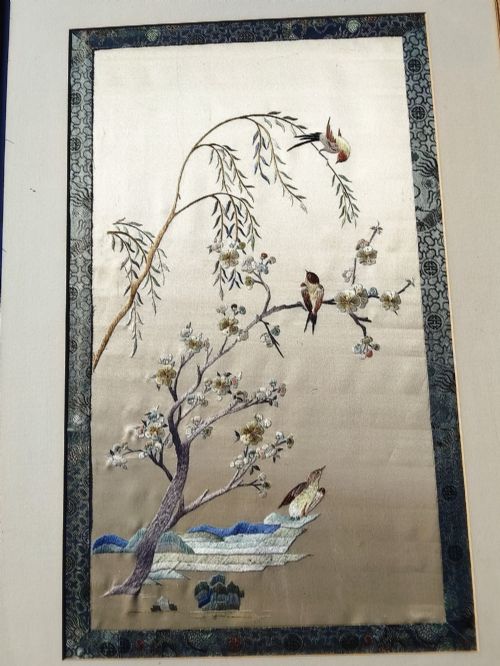
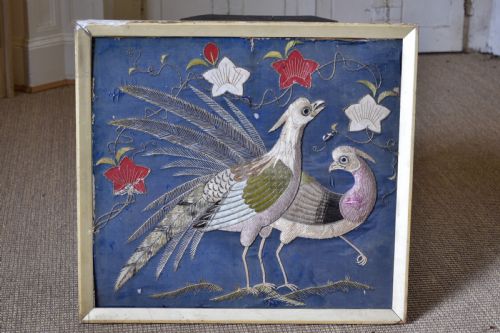
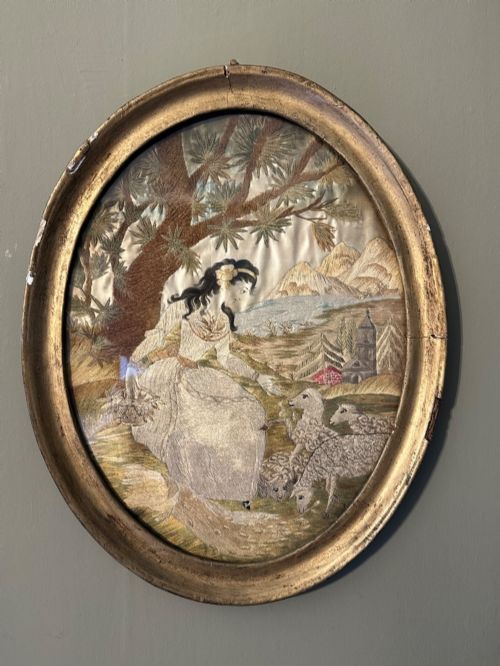
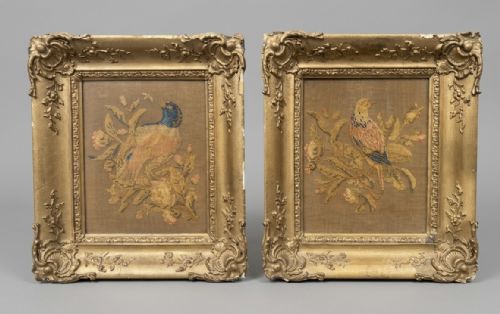
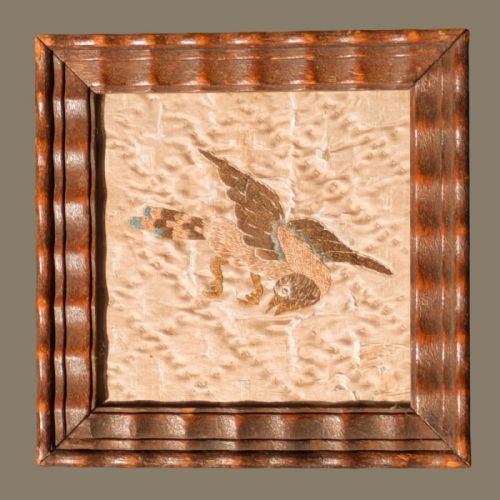
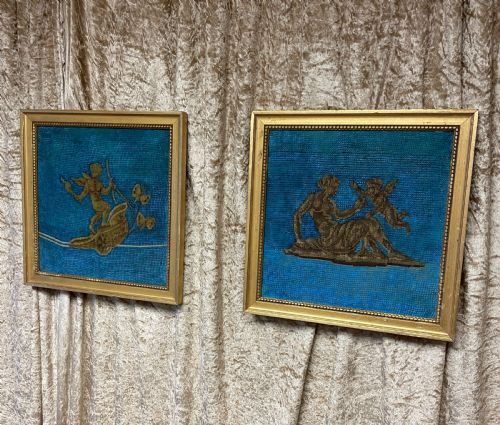
A silk thread textile picture is a framed needlework artwork created using materials like silk, wool, and metallic thread on linen. When searching for this phrase, buyers encounter wall art ranging from pastoral farming scenes and religious subjects to oyster sellers and bird embroideries.
The versions most commonly met on this page span the 17th century, 18th century, Georgian, Regency, and 19th century periods. Forms include framed embroideries, needlework samplers by makers such as Ann Hodson and Susan Mary Williams, and Japanese Meiji period works.
These textile wall art pieces are typically displayed in wood, giltwood, or gilt wood frames under glass. Examples feature specific historical subjects, including Stuart stumpwork depicting King Charles II and Royal Artillery commemorative needlework.
How they were made
The construction of these works relies on silk and wool threads stitched onto a linen ground. Artisans incorporated metallic thread alongside these materials to add reflective detail and texture to the pictorial surface.
Finished embroideries were secured within wooden and giltwood frames, often protected behind glass to preserve the delicate textile components. Specialised techniques include stumpwork, which builds raised, three-dimensional elements into the embroidered composition.
Silk Thread Textile Picture Retail Price Guide 2026
Typical asking prices for silk thread textile picture among the pieces listed under this phrase on Sellingantiques today, from the lower quarter to the upper quarter. They describe what is for sale here now, not the wider market.
What varies in quality
Quality in these textile works is determined by the complexity of the needlework technique and the preservation of the materials. Pieces utilising raised stumpwork or detailed metallic thread display a higher degree of execution than simpler surface stitches.
The integrity of the framing also influences the work, with original giltwood surrounds and intact glass housings offering better protection for the delicate silk and wool threads inside.
The Silk Thread Textile Picture Glossary
- Stumpwork
- A raised embroidery technique popular in the 17th century that uses padded stitches to create three-dimensional figures and motifs. This method appears on works depicting historical subjects like King Charles II.
- Sampler
- A piece of needlework produced to demonstrate a maker's proficiency in various stitches and alphabets. Examples include dated works created by young makers such as Ann Hodson.
- Giltwood
- Wood carved and coated with gold leaf or a gold-colored finish used for picture frames. These surrounds often house framed silk embroideries from the Georgian and 19th-century periods.
- Metallic thread
- Thread wrapped in or composed of metal used alongside silk and wool in embroidery. It adds gleaming highlights to pastoral and religious textile pictures.
Silk Thread Textile Picture: Frequently Asked Questions
What is a silk thread textile picture?
A silk thread textile picture is a needlework artwork created with silk, wool, or metallic thread on a linen ground. These pieces are typically framed behind glass for display as wall art.
Subjects range from pastoral farming scenes and religious compositions to figures like oyster sellers and royal commemoratives.
How do I date a textile picture?
Dating relies on the style of the embroidery, the framing materials, and any inscribed details. Pieces often feature specific period characteristics such as 17th-century stumpwork or Georgian pastoral motifs.
Samplers frequently include the name of the maker and an exact date, providing a clear record of origin.
How should I display needlework art?
Needlework art should be displayed away from direct sunlight to prevent the fading of silk and wool threads. Keeping the pieces behind glass protects the delicate textiles from dust and atmospheric moisture.
Original wood and giltwood frames should be supported securely from the hanging cord rather than the frame moulding.
What materials are used in these pieces?
The primary materials are silk, wool, and linen, frequently combined with metallic thread for decorative effect. Frames are commonly constructed from wood or finished in giltwood.
Works are housed under glass to protect the fabric surface from environmental wear.