
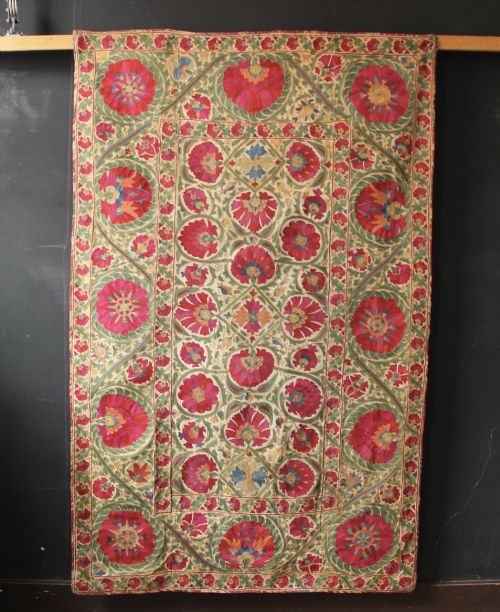
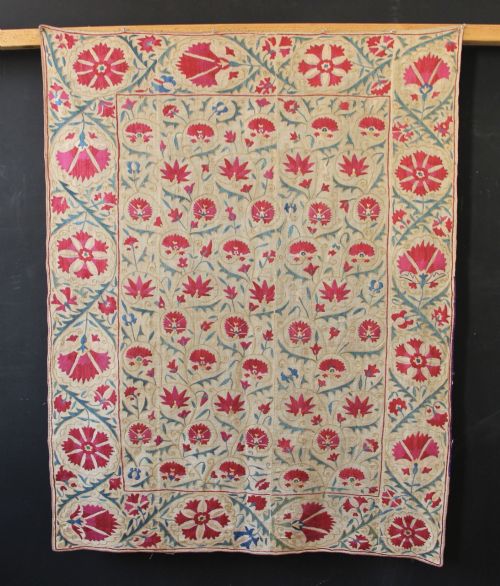
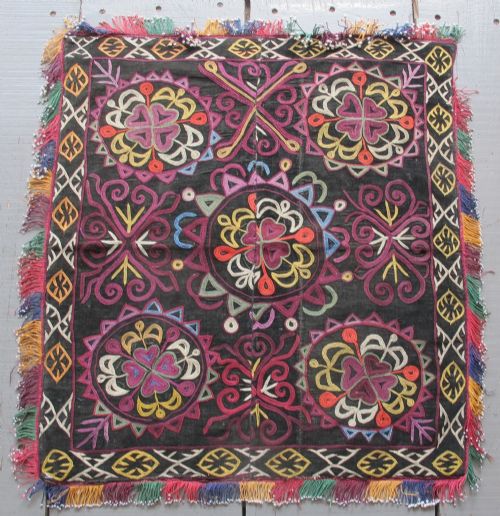
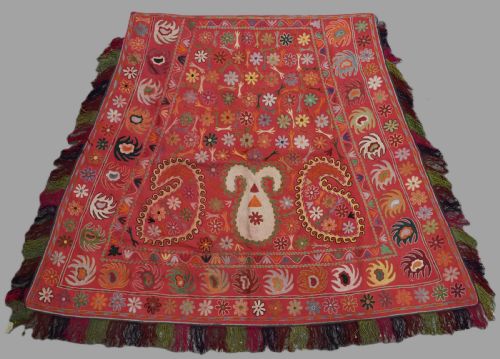
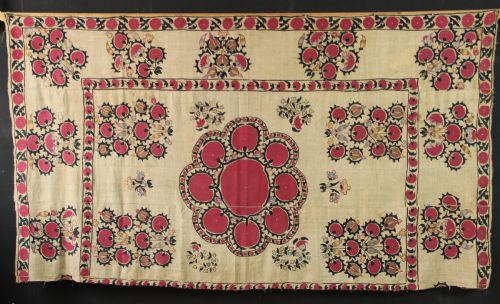
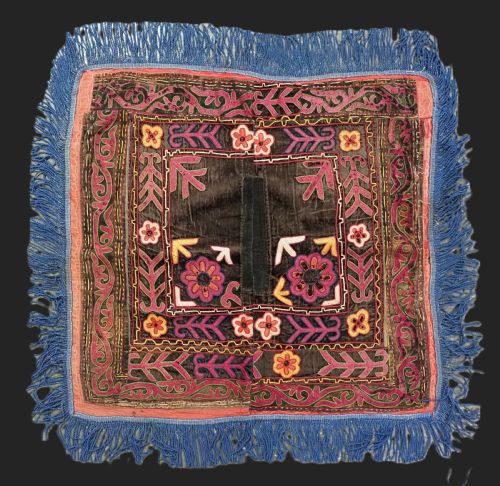
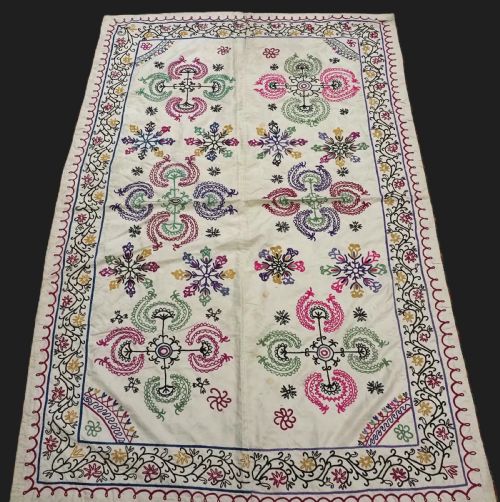
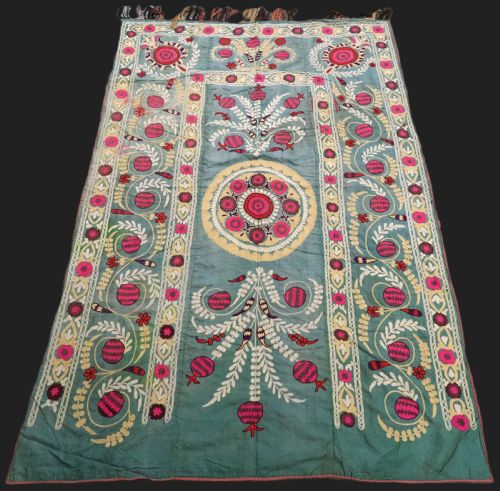
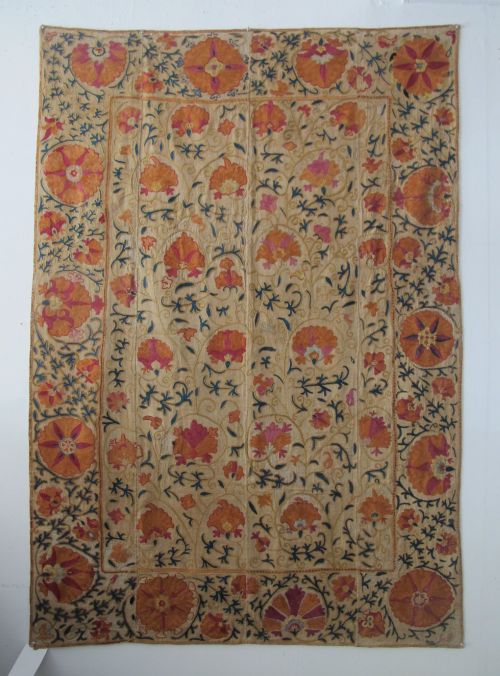
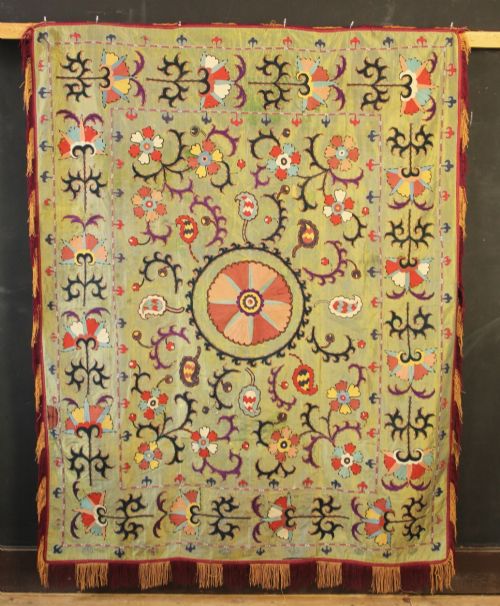
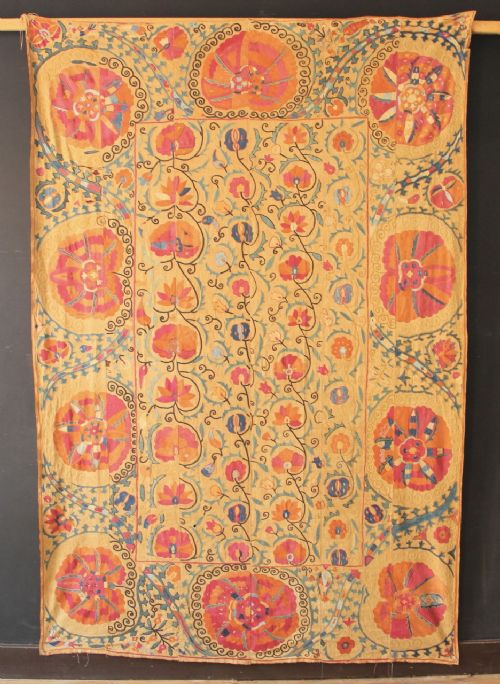

Silk Suzani Wall Hanging
A silk suzani wall hanging brings vibrant Central Asian textile art into a room through intricate hand embroidery.
Silk Suzani Wall Hanging
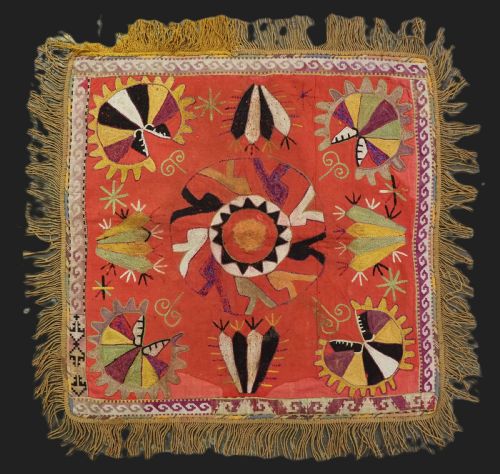
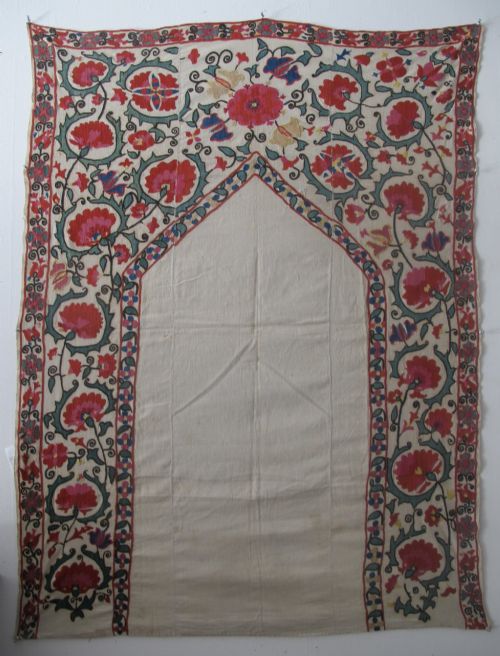
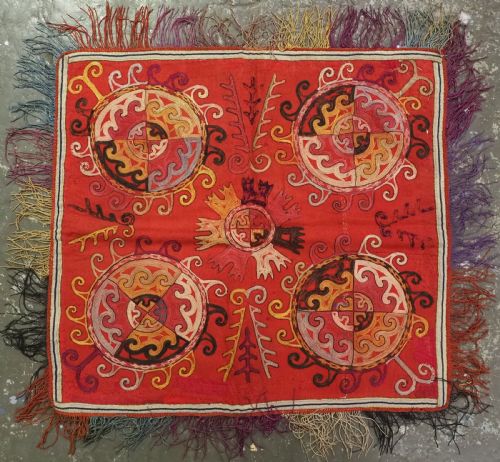
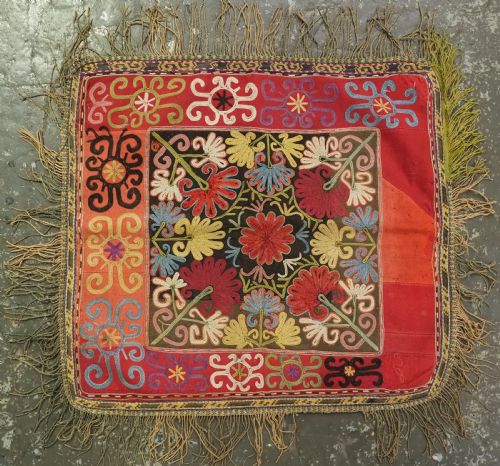
When searching for a silk suzani wall hanging, collectors encounter traditional Central Asian embroidered textiles originating mainly from Uzbekistan and surrounding regions. These pieces encompass various historical forms including dowry embroideries, bed covers, and horse covers adapted for display.
Many items function as decorative wall art despite their original domestic or ceremonial purposes. Smaller formats such as nim suzanis and mirror covers appear frequently alongside larger medallion variant pieces.
Materials and Construction Techniques
Artisans employed fine silk thread to work dense surface embroidery onto a foundation fabric. Ground materials recorded in the listings include cotton, wool, linen, and adras, which is a traditional silk and cotton blend.
Needlework techniques created complex floral, architectural, and geometric motifs across diverse coloured backgrounds. Artisans occasionally integrated additional elements such as velvet and glass beads to enrich the textile surface.
Listings feature textiles spanning the nineteenth and twentieth centuries, incorporating silk, cotton, wool, and velvet grounds.
Evaluating Quality and Execution
Quality in these textiles rests upon the fineness of the needlework and the complexity of the composition. Superior examples display meticulous stitch density and harmonious colour distribution across the entire embroidered ground.
The choice of foundation material and the preservation of the original silk threads influence the overall integrity of the piece. Regional design execution and distinct tribal motifs further distinguish standard production from exceptional works.
The Silk Suzani Wall Hanging Glossary
- Suzani
- A traditional embroidered tribal textile from Central Asia, usually featuring bold floral patterns. The word derives from the Persian term for needle.
- Nim Suzani
- A smaller or half-size format of the traditional textile. These compact pieces accommodate varied display spaces while retaining full-scale design motifs.
- Ilgich
- A specific type of dowry embroidery or hanging associated with Lakai nomadic groups. These items served ceremonial functions within traditional households.
- Adras
- A traditional woven fabric combining silk and cotton yarns. This mixed textile frequently serves as the ground fabric for surface embroidery.
- Tush Kyiz
- A large embroidered wall hanging created in Kyrgyzstan. These traditional textiles traditionally decorate the interior of nomadic yurts.
Silk Suzani Wall Hanging: Frequently Asked Questions
What is a suzani?
A suzani is an embroidered textile created in Central Asia, historically used for domestic decoration or dowries. Artisans stitched floral and geometric patterns using fine silk thread onto woven foundations.
These pieces now function primarily as decorative wall hangings. Their intricate needlework reflects the distinct artistic traditions of regions such as Bokhara, Nurata, and Uzbekistan generally.
How do you date a suzani?
Dating relies on examining the materials, dyes, regional design characteristics, and technical execution of the embroidery. Earlier nineteenth-century examples often feature specific natural colour palettes and distinct regional drawing styles.
Later pieces from the early twentieth century introduce different cotton grounds and modified stylistic interpretations. Comparing known regional types helps place an item within a specific decade or century.
Where do suzanis originate?
These textiles originate across Central Asia, with a strong concentration in historical centres within modern Uzbekistan. Specific towns and regions including Bokhara, Shakrisabz, and Nurata developed distinct aesthetic traditions.
Nomadic and settled groups such as the Lakai and Tajiks contributed unique tribal styles and structural formats. Each area utilised characteristic colour combinations and motif arrangements.