
Silk Embroidery Panel
A silk embroidery panel brings texture, colour and historic craftsmanship to a room.
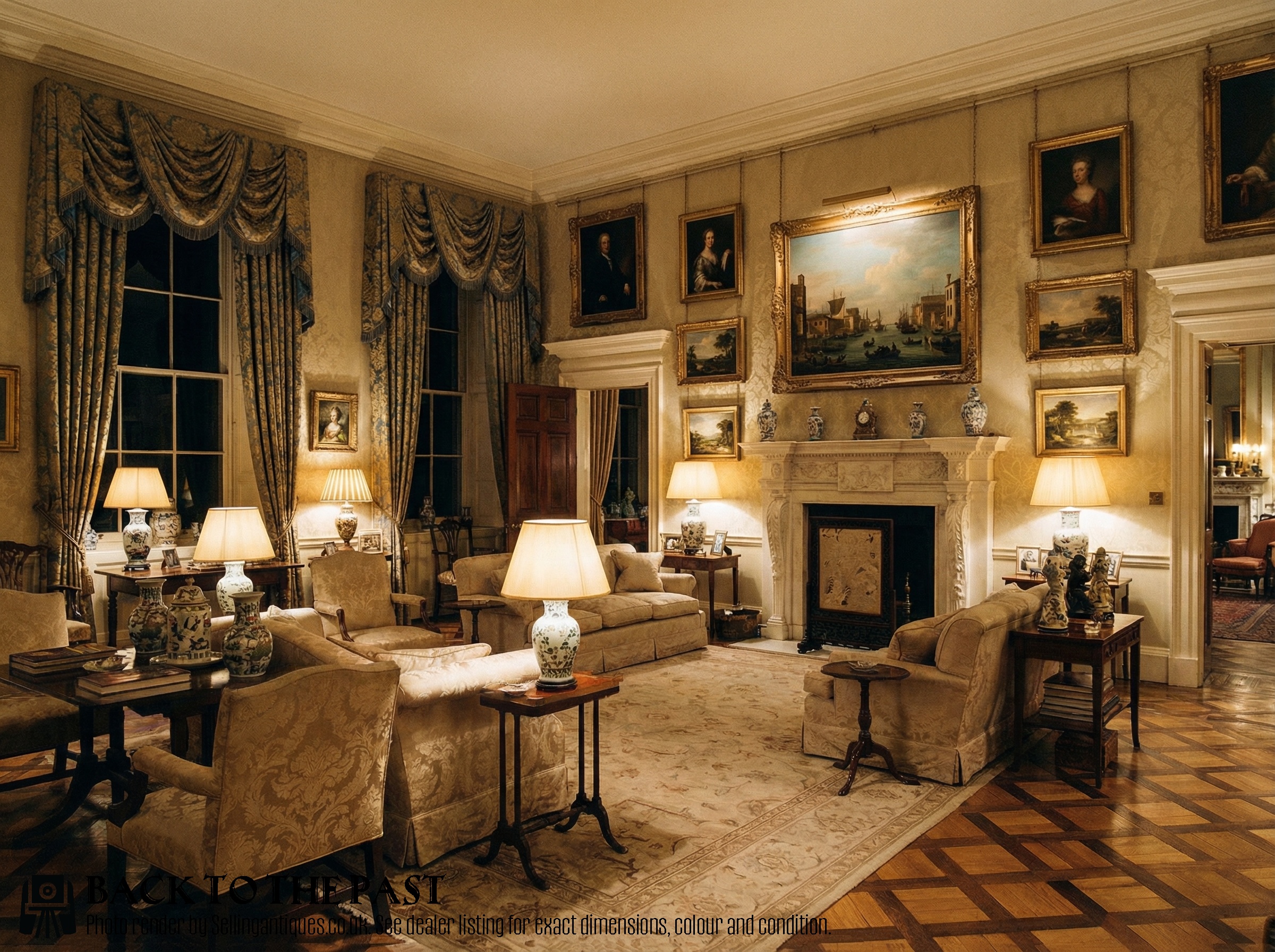
What a silk embroidery panel is
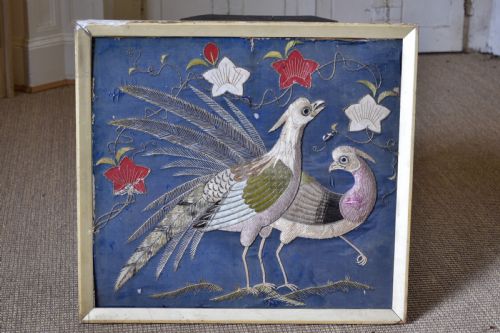
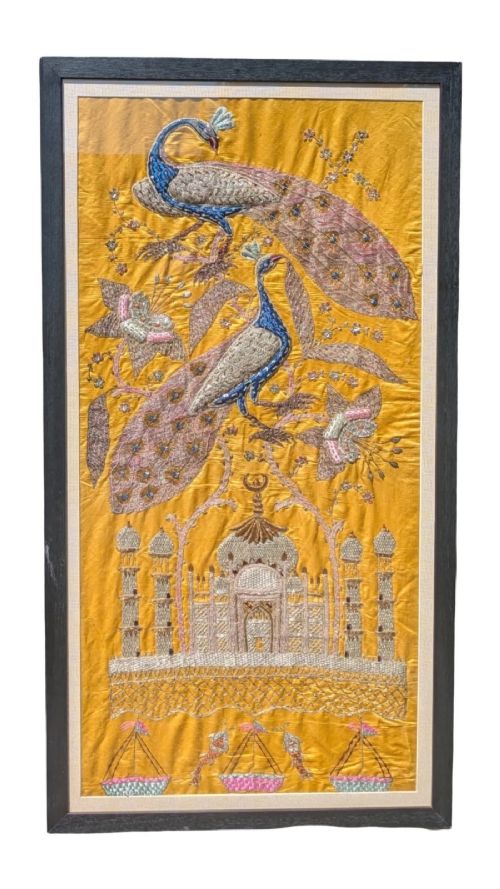
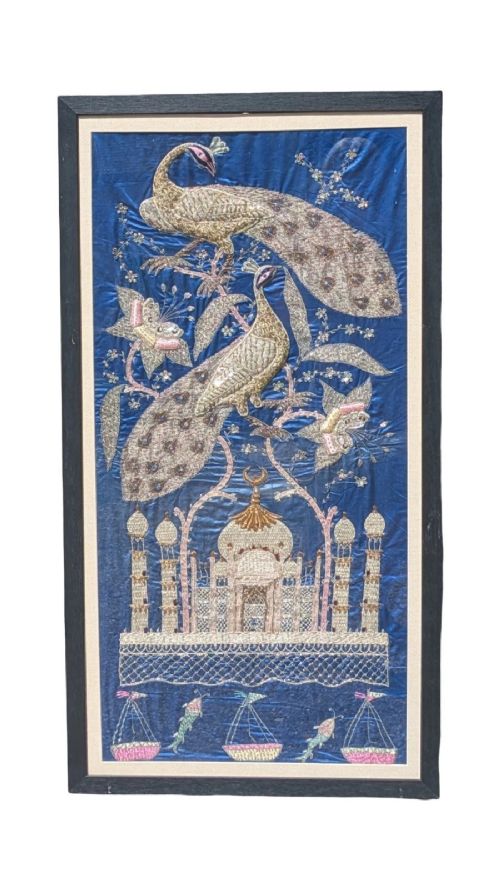
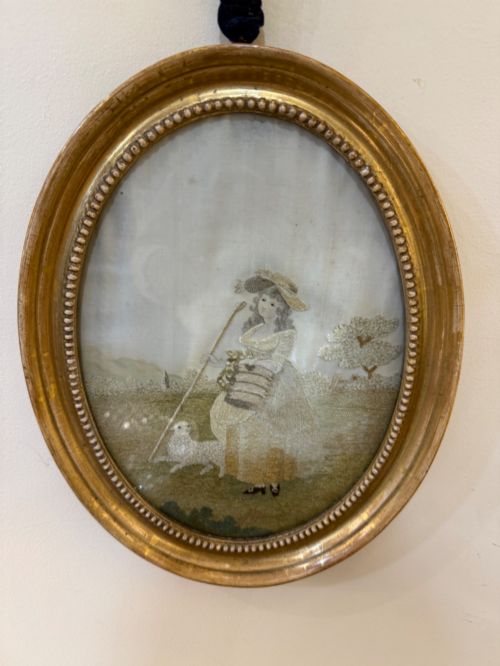
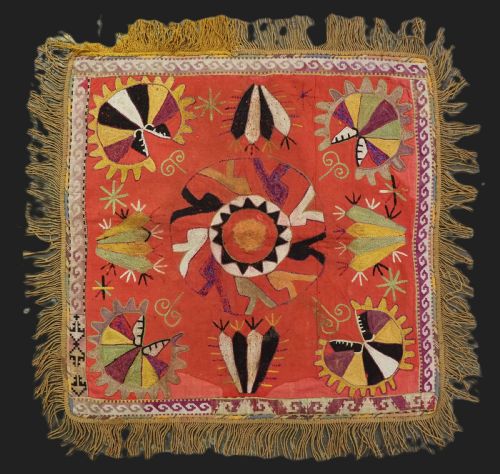
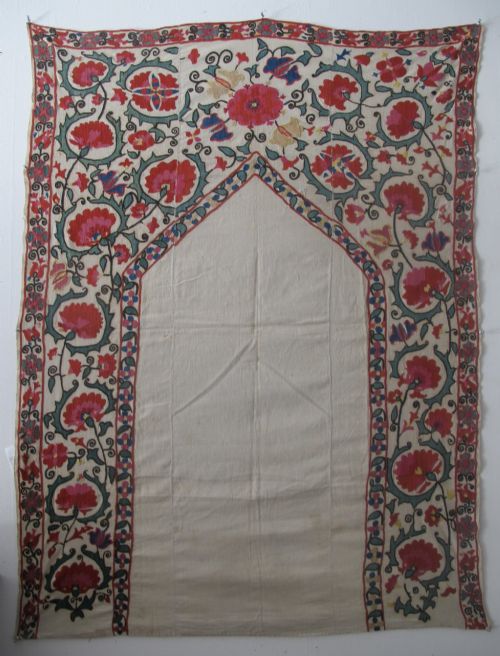
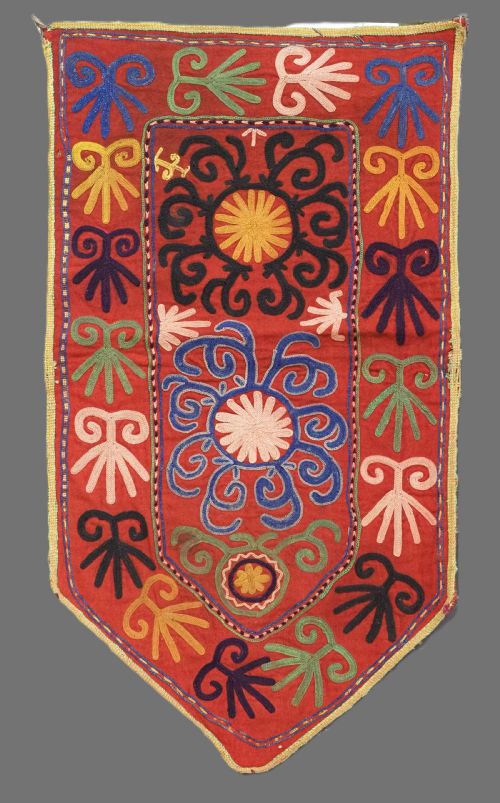
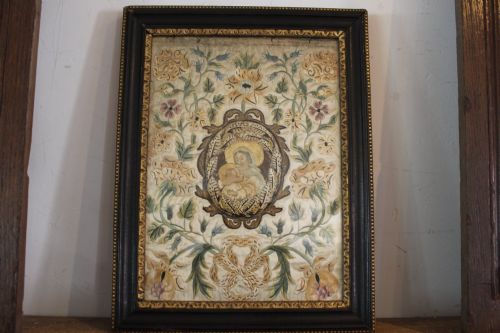
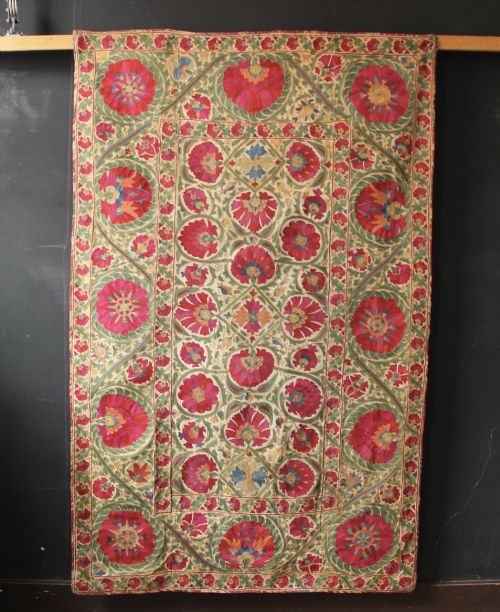
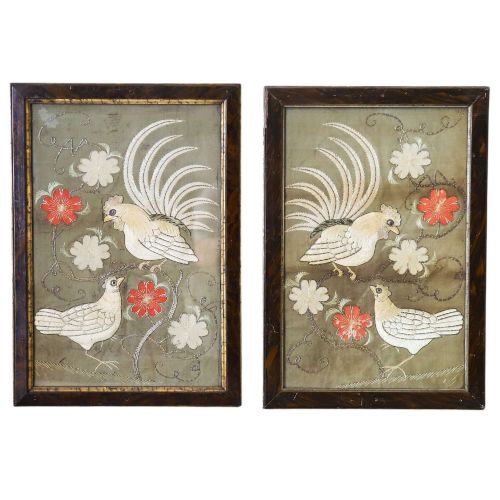
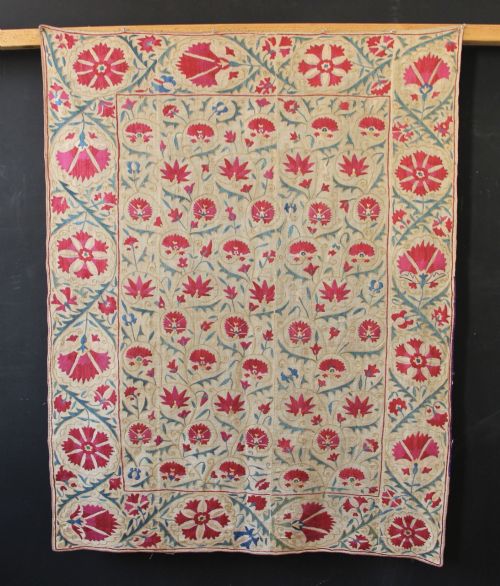
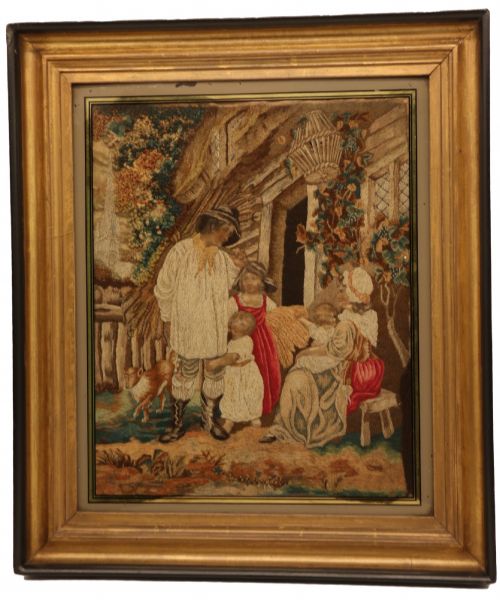
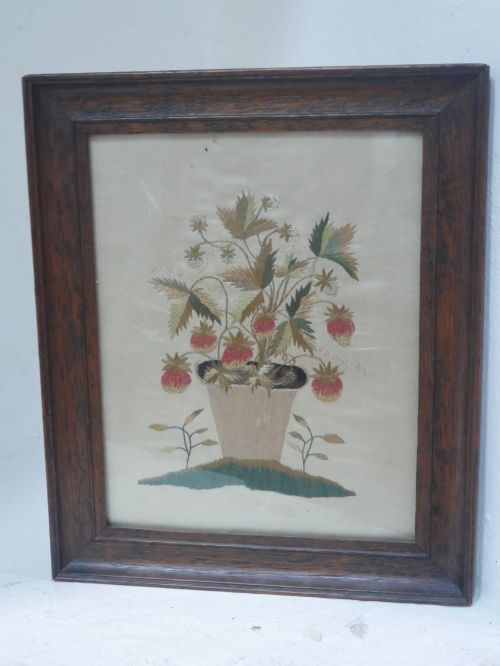
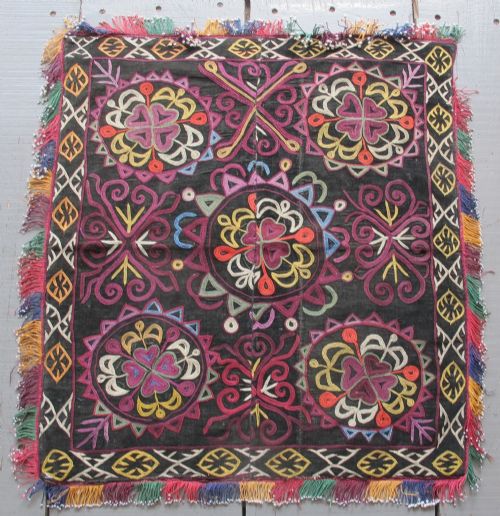
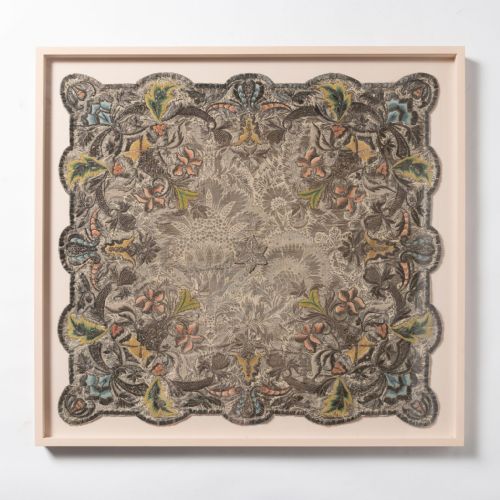
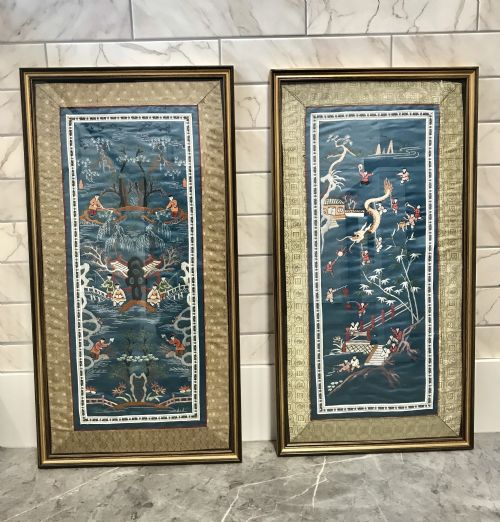
A silk embroidery panel encompasses historic textiles, wall art, table screens, wall hangings and firescreens originating from traditions such as Qing Dynasty, Central Asian, Uzbek Folk Art, Baroque, Traditional Chinese and Uzbek. The pieces bridge decorative arts and textile history, offering a tangible link to past needlework traditions.
The versions most commonly met on this page range from nineteenth-century Chinese hardwood table screens and firescreens to early twentieth-century Uzbek suzanis and early Italian embroidery from around seventeen hundred. Buyers encounter both framed rank badges and larger textile hangings worked in silk threads.
How they were made
Makers utilised natural materials including silk, cotton, linen, glass, hardwood and wood to construct these works. Silk thread provides the primary medium for the detailed pictorial and geometric needlework across the panels.
Support structures involve carved hardwood and wood for screens, alongside woven silk and cotton grounds for the Suzani textiles. Individual panels combine meticulous stitchwork with substantial frames or mounting boards to preserve the delicate fabrics.
Retail Price Guide 2026
Typical UK retail prices for silk embroidery panel, calculated from the Sellingantiques database of over a million retail prices indexed since 2003. This retail price guide relies exclusively on Sellingantiques data; no external sources or auction records are used, so the figures do not describe the wider market.
Listings feature items spanning the seventeenth to the twentieth centuries, utilising silk, cotton, linen, glass and hardwood.
What varies in quality
The standard of execution separates exceptional examples from ordinary ones, visible in the density of the needlework and the precision of the silk threads. Finer pieces demonstrate superior control of tone and intricate pictorial detail across the surface.
The mounting and housing contribute significantly to overall quality, particularly in hardwood frames with intricate carving versus simpler supports. Preservation of the underlying silk and cotton fabrics dictates the enduring visual strength of the textile.
The Silk Embroidery Panel Glossary
- Suzani
- An embroidered tribal textile from Central Asia, typically worked in silk on a cotton or linen ground with bold floral and geometric motifs. These large decorative hangings form a distinct category within Central Asian textile art.
- Rank badge
- A square insignia sewn onto the robes of Qing Dynasty officials to denote civil or military status. When mounted independently, these detailed silk embroideries function as framed works of art.
- Table screen
- A decorative panel supported by a carved wooden stand, designed to sit upon furniture rather than hang on a wall. The Chinese examples combine textile panels with elaborate woodwork.
- Firescreen
- A freestanding panel placed before an unlit fireplace to decorate the hearth when not in use. These items frequently incorporate framed silk embroidery within a hardwood structure.
Frequently Asked Questions
Where should I hang a panel?
These textiles suit walls away from direct sunlight to protect delicate silk threads from fading over time. Pairing them with appropriate backing ensures the fabric remains secure.
Larger suzanis make strong focal points above furniture, while framed Chinese rank badges fit narrower wall spaces or studies.
How do I clean an antique textile?
Gentle surface dust removal using a soft brush is usually sufficient for maintenance. Professional textile conservators should handle any deeper intervention.
Water and standard cleaning agents risk damaging delicate silk and cotton fibres beyond repair.
What is a suzani?
A suzani is a traditional embroidered tribal textile originating from Central Asia. They were often created as part of a bride's dowry.
Maker communities used rich silk threads on cotton or linen foundations to produce large floral patterns.
How are wooden screens used?
Table screens sit upon desks, sideboards or tables to provide decorative interest within a room. The carved wooden stands support the embroidered silk panel upright.
Firescreens stand directly on the floor before a hearth to add colour and texture to a fireplace.