
Silk Embroidered Suzani Textile
When you seek a silk embroidered suzani textile, you find vibrant Central Asian needlework crafted for dowries, walls and ceremonial covers.
Silk Embroidered Suzani Textile
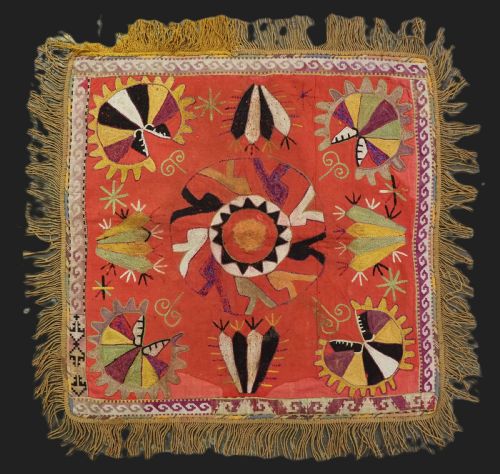
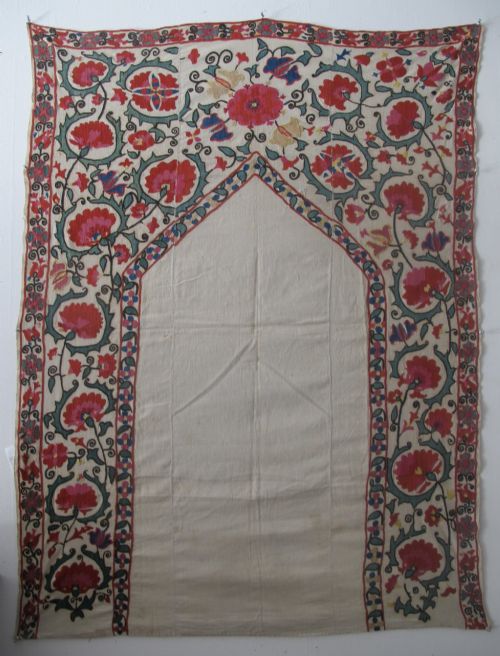
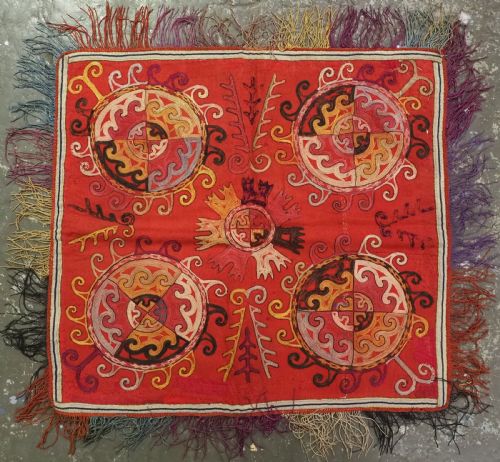
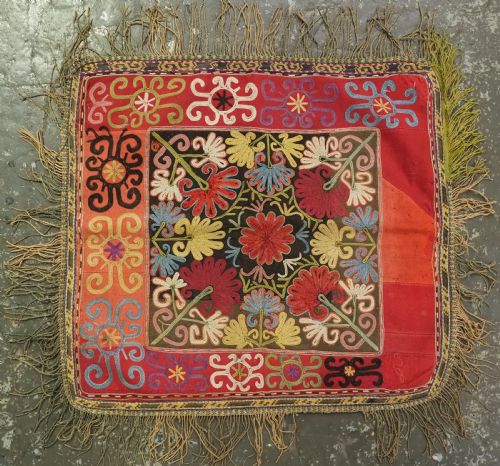
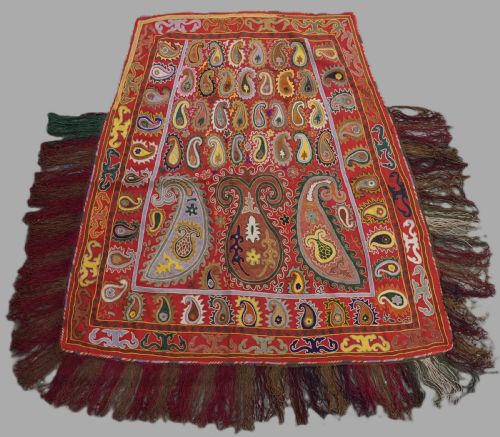
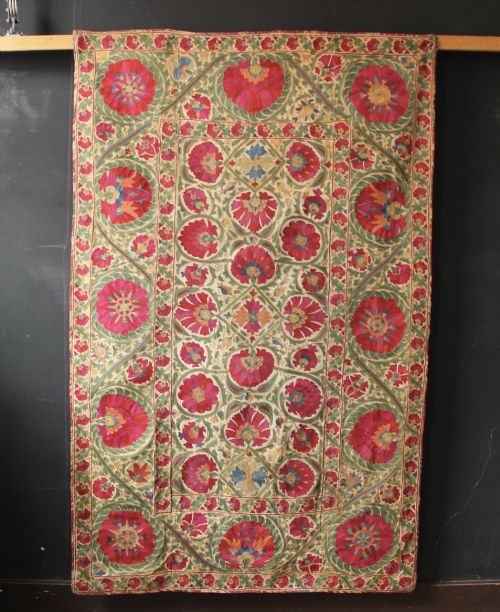
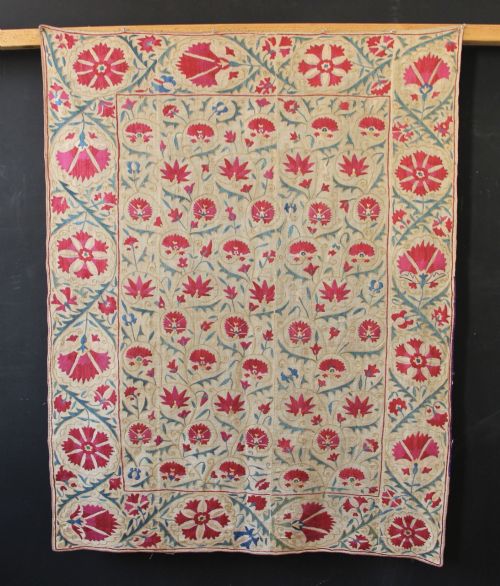
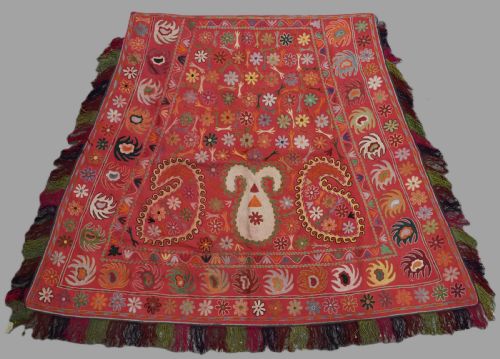
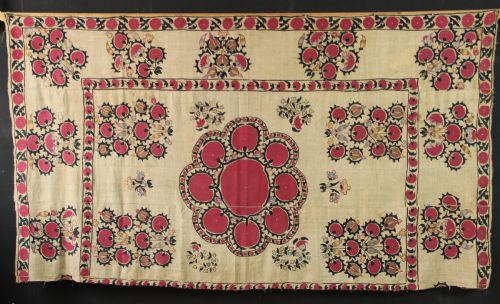
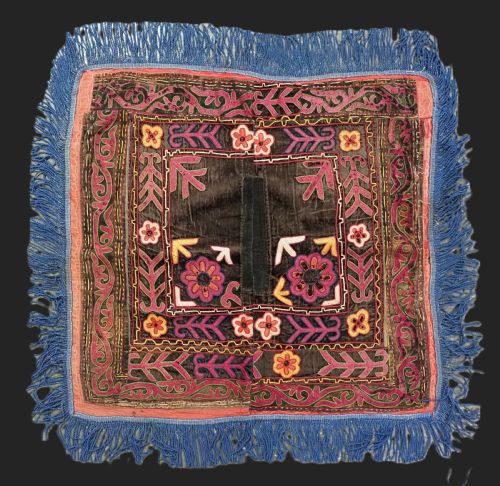
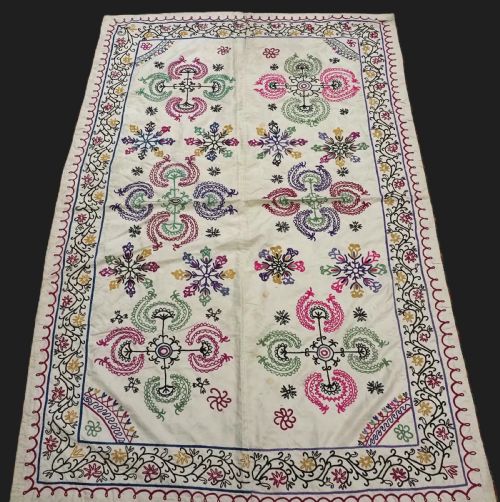
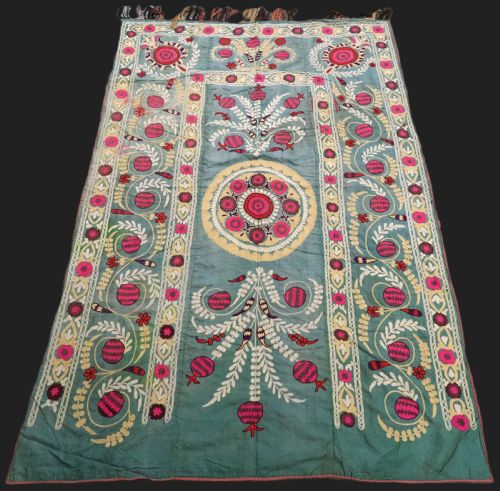
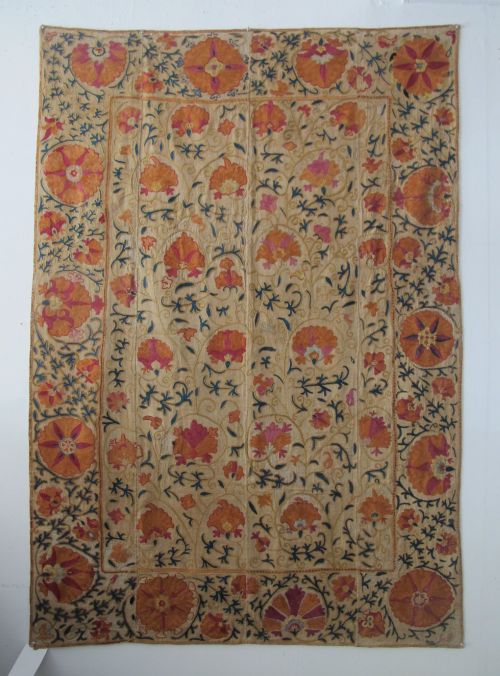
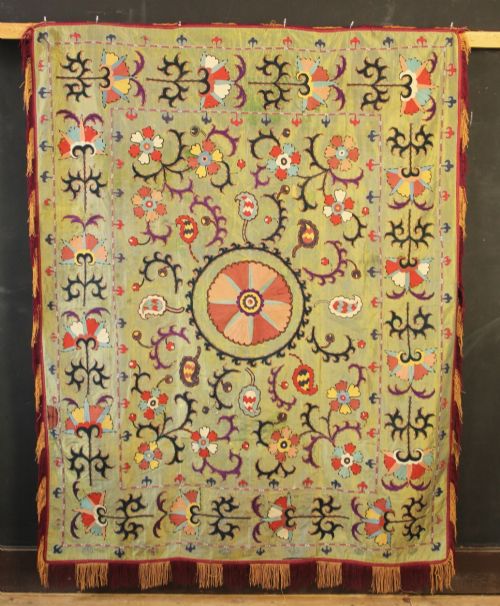
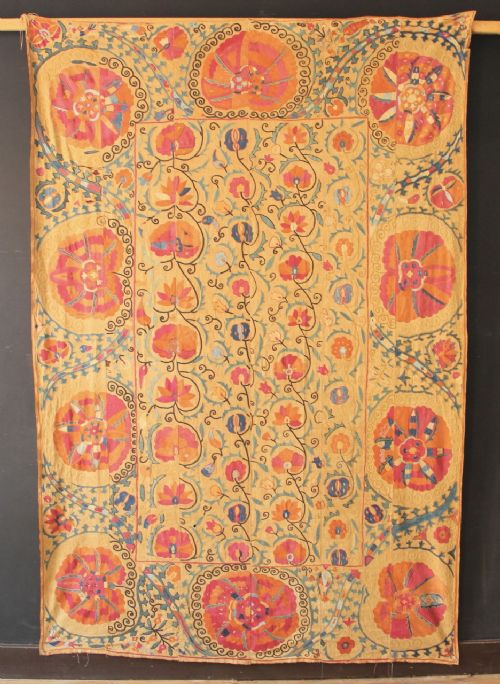
A silk embroidered suzani textile encompasses traditional Central Asian needlework originating from Uzbekistan and surrounding regions. These works include large wall hangings, bed covers known as ru-i-jo, dowry embroideries likeilgich pieces, and ceremonial horse covers.
The selections span from the mid-nineteenth century through the early twentieth century, incorporating regional formats such as Bokhara, Nurata, Ura Tube, and Shahrisabz designs. Buyers frequently encounter tribal pieces attributed to the Lakai and Tajik communities alongside formal town embroideries.
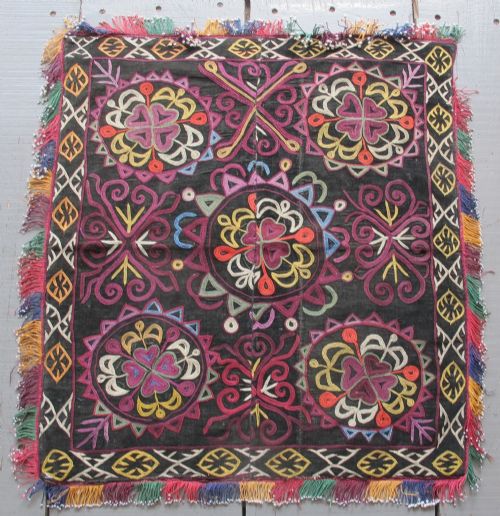
Forms vary from grand medallion variants down to smaller nim suzanis and specialised formats including prayer formats and mirror covers. Each textile preserves nomadic and town traditions through distinct botanical, architectural, and geometric motifs.
How They Were Made
Artisans typically worked with silk thread applied onto foundation fabrics constructed from cotton, wool, linen, or adras, which is a woven mixture of silk and cotton. Red, yellow, green, and black grounds frequently support dense floral and geometric stitching.
Specialised items incorporate supplementary elements such as velvet and glass beads alongside fine needlework. The ground fabrics provide contrasting backgrounds that make the intricate silk embroidery stand out.
Tribal groups like the Lakai utilised robust wool or cotton foundations for utilitarian and ceremonial objects, whereas urban workshops often employed finer cotton or silk grounds for large decorative wall hangings.
Current listings feature textiles spanning from the mid-nineteenth century to the 1930s, using silk, cotton, wool, velvet, and glass beads.
What Varies in Quality
The fineness of the silk thread work and the complexity of the design determine the distinction between standard examples and exceptional items. Dense, intricate needlework across large compositions requires considerable time and skill from the maker.
The choice of foundation cloth and the integrity of the ground material influence the overall presence of the textile. Well-preserved textiles retain vibrant colour saturation in the silk threads and maintain structural stability across the supporting fabric.
The Silk Embroidered Suzani Textile Glossary
- Suzani
- A traditional embroidered textile from Central Asia, typically featuring large floral motifs worked in silk on a cotton or linen ground. These pieces were often made as part of a bride's dowry.
- Ilgich
- A specific form of embroidery or hanging produced by the Lakai tribe in Uzbekistan. They frequently display geometric and figurative tribal motifs.
- Nim Suzani
- A half-size or smaller version of a standard suzani wall hanging or bed cover. These compact pieces were suitable for smaller spaces within traditional dwellings.
- Ru-i-jo
- A traditional Central Asian bed cover suzani used within the domestic interior. They are characterised by large-scale decorative layouts designed to drape over bedding.
- Adras
- A traditional hand-woven fabric made from a blend of silk and cotton yarns. It serves as a durable foundation ground for many regional embroideries.
- Tush Kyiz
- Large embroidered wall hangings produced in Kyrgyzstan for decorating the interior of a yurt. They feature dense ornamentation worked by nomadic makers.
Silk Embroidered Suzani Textile: Frequently Asked Questions
How were suzanis used traditionally?
These textiles served multiple domestic and ceremonial purposes within Central Asian households. They functioned as wall hangings, bed covers, and dowry items, while specialised pieces decorated horses during celebrations.
Nomadic and town communities displayed them to mark important life events such as marriages and household establishment.
What is the difference between urban and tribal suzanis?
Urban workshops in centres like Bokhara and Nurata produced large, balanced floral compositions on fine cotton or silk grounds. Town pieces often favour refined botanical medallions and precise symmetry.
Tribal examples, particularly those from the Lakai or Tajik groups, utilise bolder geometric abstractions and robust wool or cotton foundations.
How do I care for an antique textile?
Keep antique embroideries out of direct sunlight to prevent the silk threads from fading and weakening over time. Display them away from high moisture areas and sources of direct heat.
Professional mounting provides stable support across the entire textile if you choose to hang it on a wall.
How can I tell the age of a piece?
Dating relies on examining the materials, natural dye colours, and structural characteristics of the foundation fabric. Nineteenth-century examples often display hand-spun ground cloths and specific regional palette choices.
Early twentieth-century items may incorporate slightly different cotton weaves or synthetic elements alongside traditional silk embroidery.