






Silk Embroidered Picture
A silk embroidered picture brings needlework artistry to your wall, offering a tangible link to eighteenth and nineteenth century craftsmanship.
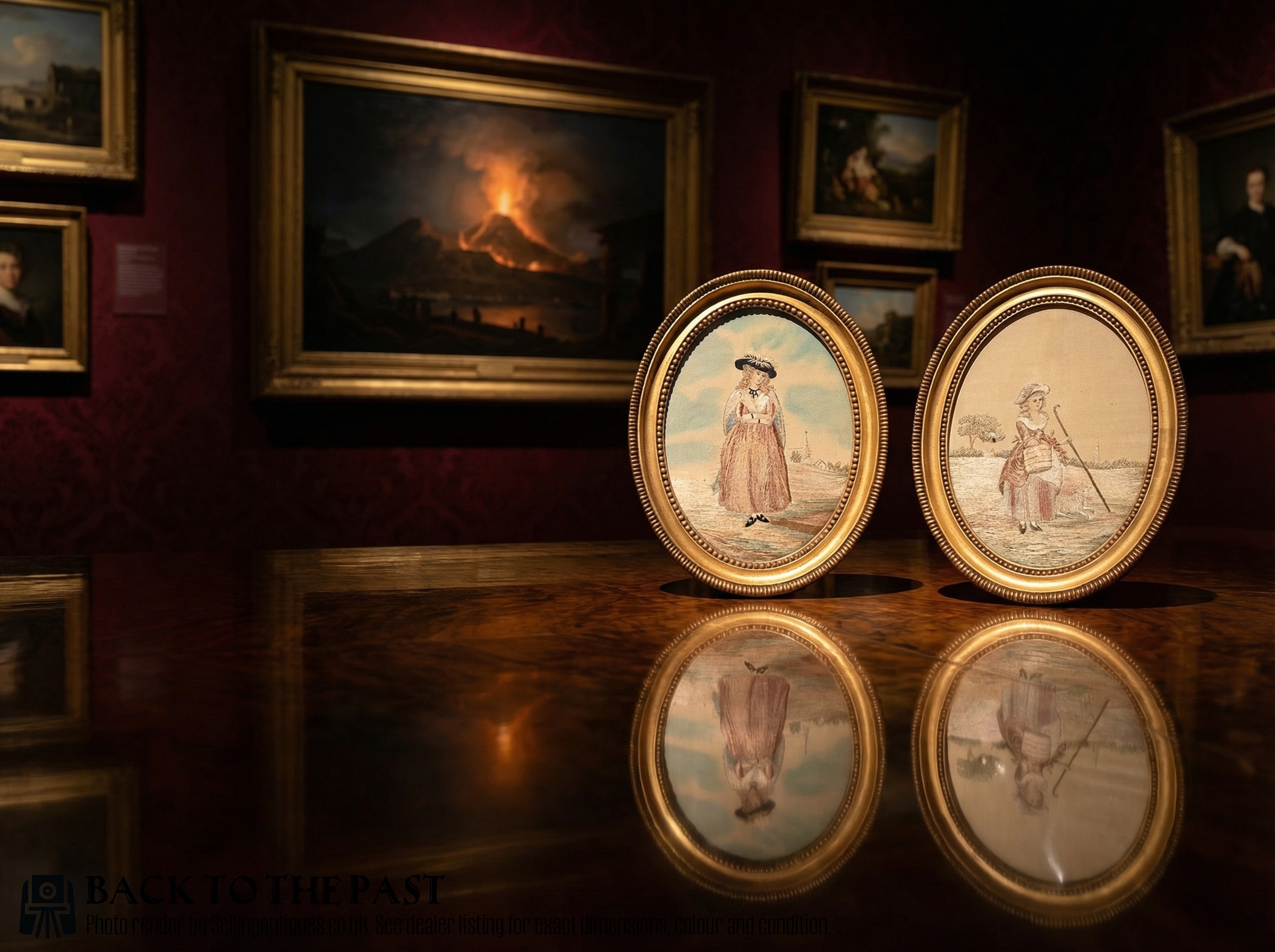
Silk Embroidered Picture
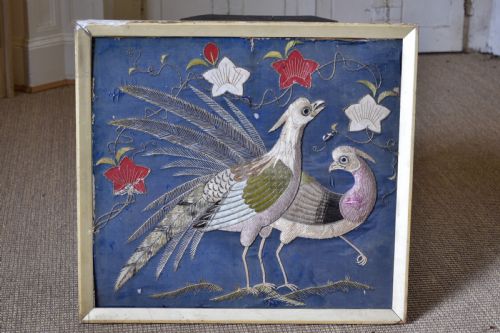
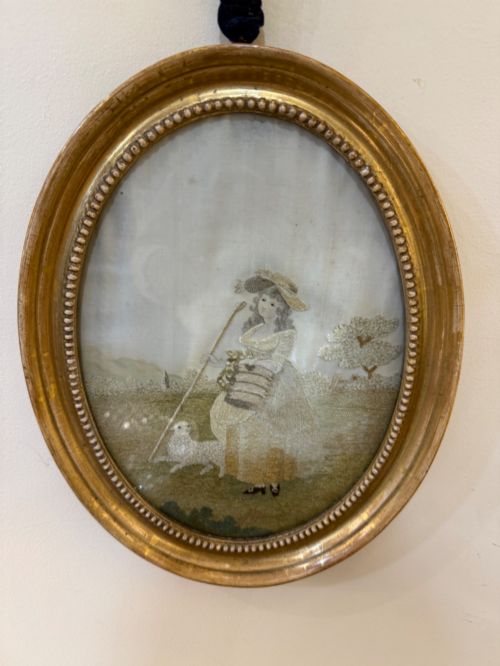
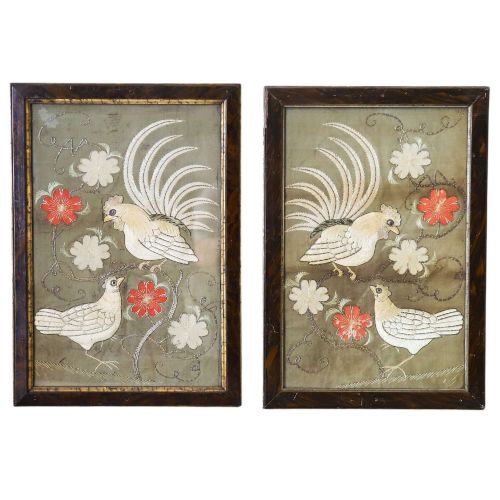
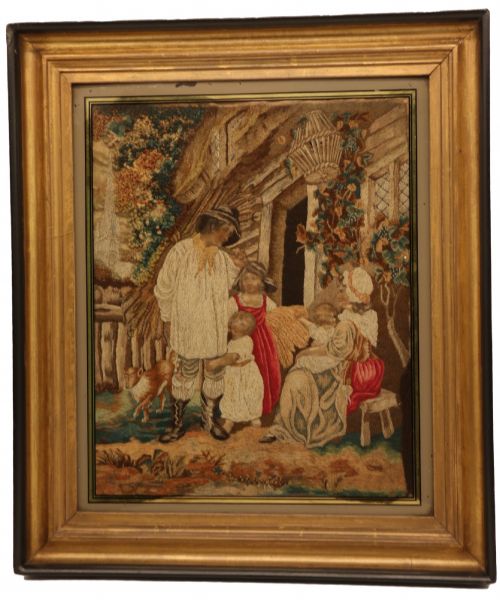
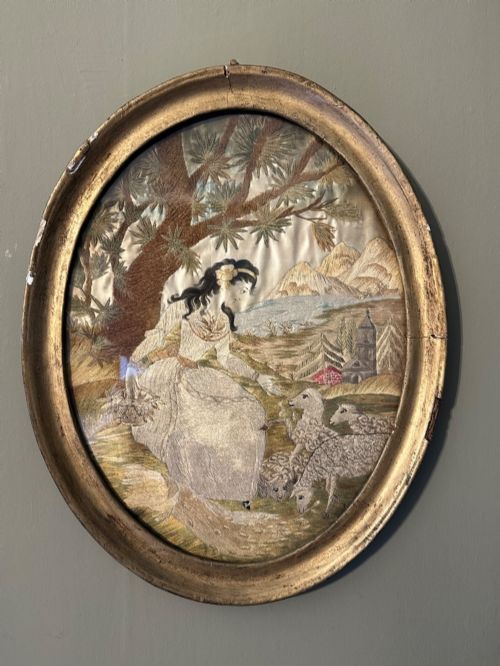
The subjects span narrative scenes, such as tales from Jack and the Beanstalk and the Lady of the Lake, alongside Chinese chinoiserie compositions. Buyers frequently encounter framed artwork housed within period settings.
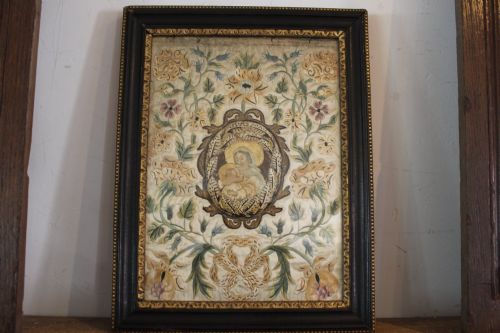
Originating from English, Italian, and Chinese workshops, these textile works showcase diverse regional approaches to pictorial needlework. Each piece serves as a framed window into historical domestic art.
How they were made
Maker execution relies on silk and wool threads stitched directly onto a linen or silk ground. Artisans combined various embroidery techniques to build texture and depth within the pictorial surface.
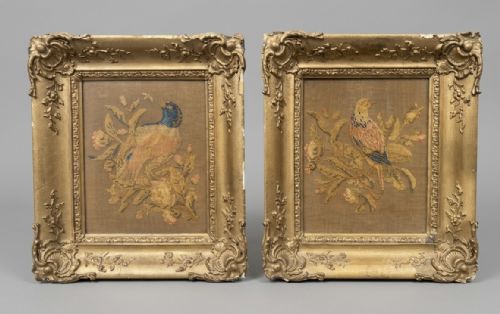
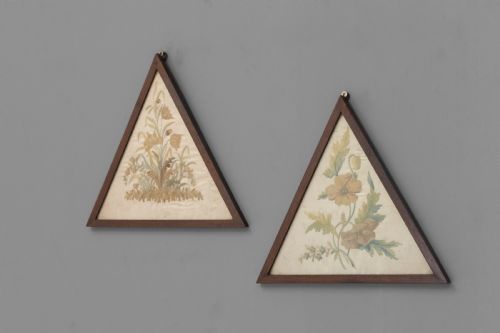
Finished works found their preservation inside wood frames, frequently utilising water gilded or giltwood treatments alongside glass. Octagonal and oval frames protected the delicate textiles from environmental wear.
Silk Embroidered Picture Retail Price Guide 2026
Typical asking prices for silk embroidered picture among the pieces listed under this phrase on Sellingantiques today, from the lower quarter to the upper quarter. They describe what is for sale here now, not the wider market.
Current listings and historical archives feature silk embroidered pictures spanning the eighteenth and nineteenth centuries, incorporating giltwood frames and linen grounds.
What varies in quality
Quality differentiates itself through the complexity of the needlework and the preservation of the silk and wool threads. Finer examples display intricate pictorial detail and sophisticated colour retention.
The framing contributes significantly to the overall distinction of the piece, with period water gilded or giltwood surrounds indicating higher workshop standards. Original frames enhance the integrity of the textile art.
The Silk Embroidered Picture Glossary
- Needlework picture
- A pictorial composition created using thread and needle upon a fabric ground. These works function as framed wall art.
- Chinoiserie
- A European stylistic interpretation of Chinese and East Asian artistic traditions. It appears in scenic embroidered pictures.
- Water gilded
- A traditional framing technique applying gold leaf over a prepared gesso surface using water as an adhesive. This creates a brilliant metallic lustre.
Silk Embroidered Picture: Frequently Asked Questions
How old are these embroidered pictures?
The available evidence points to origins spanning the eighteenth and nineteenth centuries, with specific examples dated around seventeen hundred.
Craftsmanship from these periods reflects distinct Georgian, Regency, and Baroque stylistic influences.
What materials were used?
Artisans utilised silk and wool threads worked onto supporting fabrics like linen and silk. Finished textiles were then mounted behind glass within wooden frames.
Frames often incorporated gold leaf, water gilding, or giltwood construction to complement the embroidery.
What subjects do they show?
Pictorial themes encompass literary and traditional narratives, including scenes from Jack and the Beanstalk and the Lady of the Lake. Chinese chinoiserie designs also form part of the recorded repertoire.
These subjects demonstrate the wide range of visual storytelling popular among historical makers.
How should I hang them?
Protect delicate silk, wool, and linen fibres by positioning framed textile art away from direct sunlight and excessive moisture. The inclusion of glass in period frames assists in shielding the needlework from dust.
Ensure wall fixings securely support the weight of wooden and giltwood frames.