


Signed Victorian Watercolour Artwork
Signed victorian watercolour artwork captures the hand of nineteenth-century painters working across landscapes, seascapes, and portraiture on paper.
Signed Victorian Watercolour Artwork
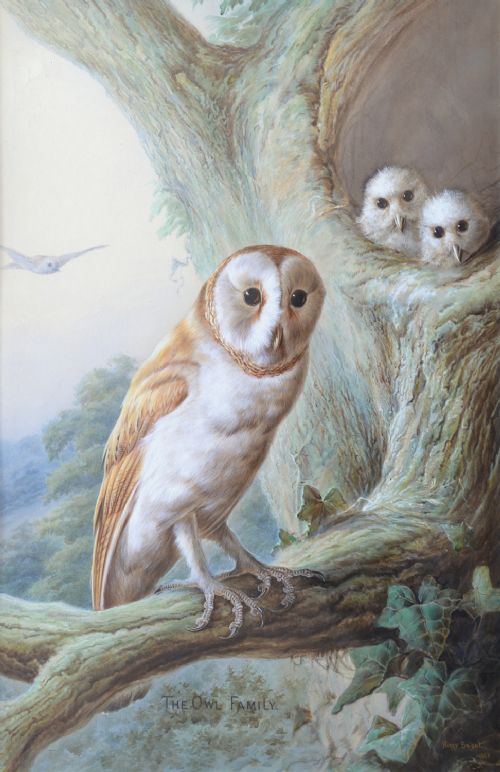
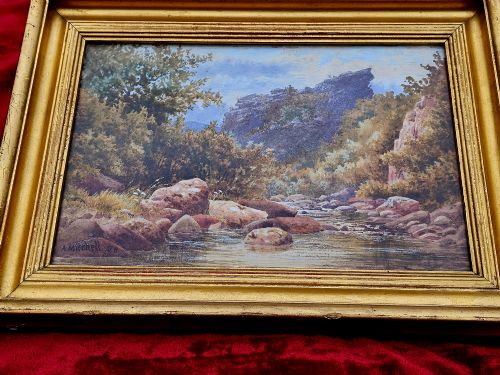
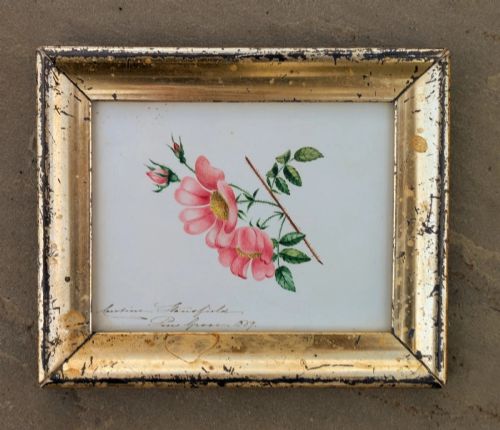
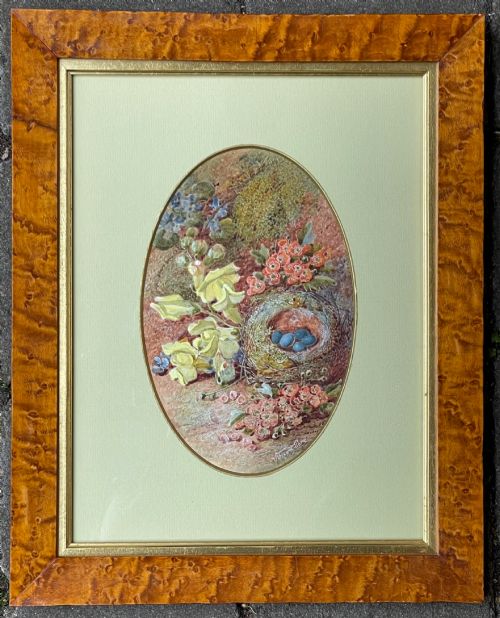
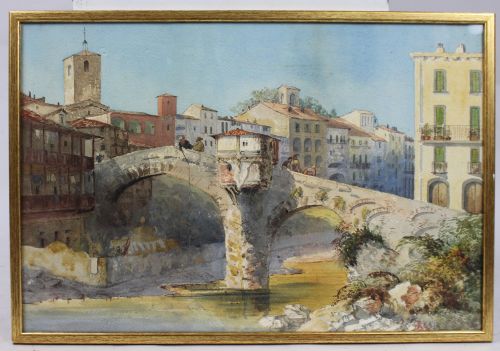
Signed victorian watercolour artwork encompasses original paintings produced during the nineteenth century and the immediate turn of the twentieth century. These pieces record landscapes, coastal views, domestic interiors, and botanical studies executed by named artists.
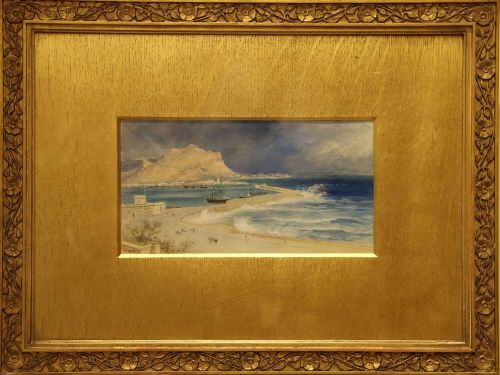
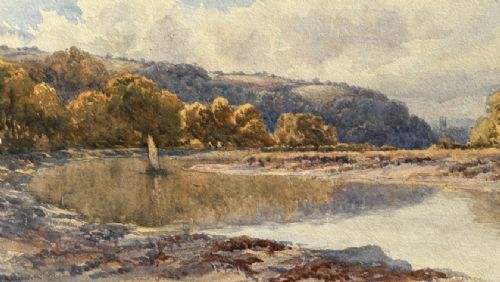
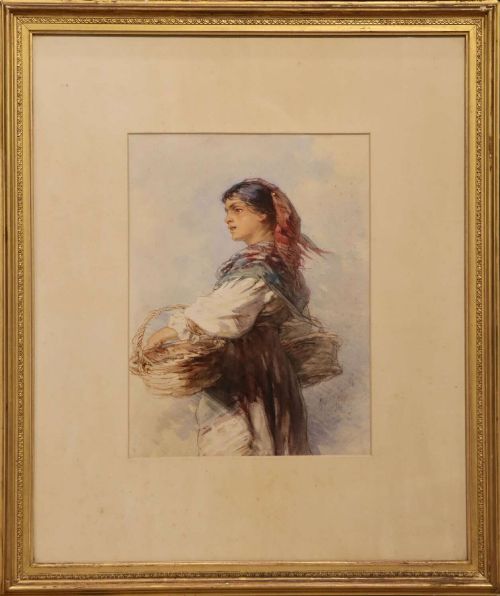
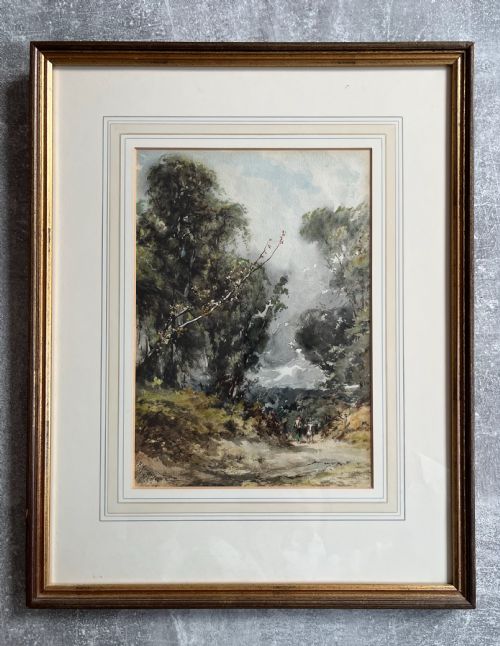
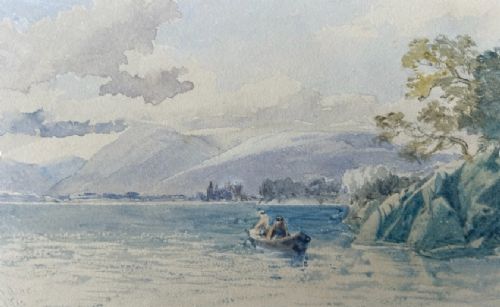
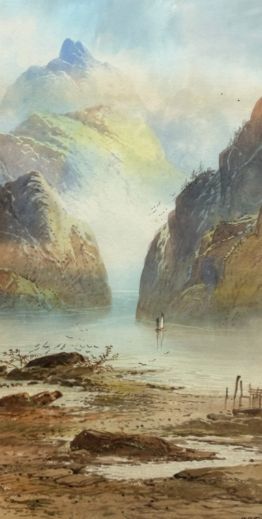
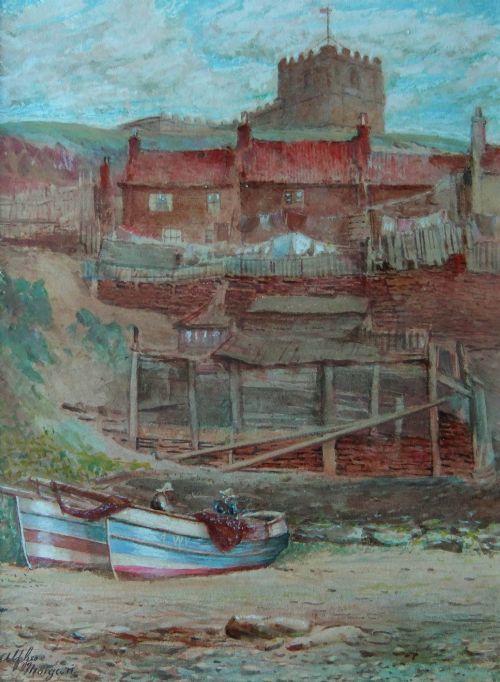
Buyers meet works framed under glass within period wooden and giltwood mouldings. The subjects range from Scottish lochs and Yorkshire harbours to Italian figurative scenes and still-life compositions.
Materials and Techniques
Artists applied watercolour pigment onto prepared paper sheets using brushes of varying fineness to achieve translucent washes and opaque highlights. Some works include miniature portraits painted directly on glass.
Finished paintings received protective mount boards and were secured inside timber frames, often highlighted with gilt finishes, preserving the delicate water-soluble pigments from atmospheric damage.
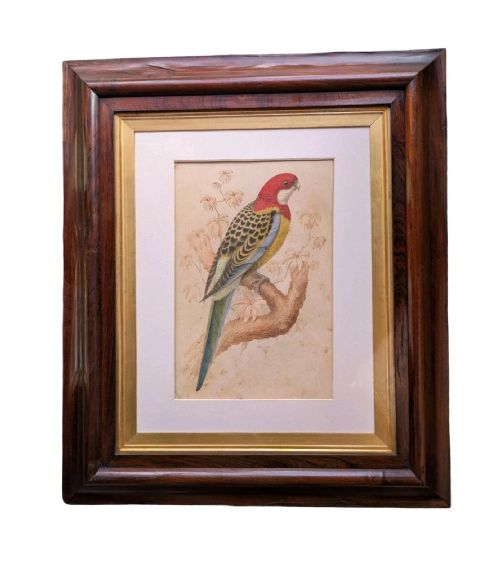
Even rosella parrots and racing yachts managed to sit still long enough for Victorian artists.
Distinctions in Quality
Quality rests upon the painter's command of light, tonal depth, and atmospheric perspective within the medium. Stronger works display confident brushwork and precise topographical or anatomical observation.
The preservation of the paper support and the vibrancy of the original pigment without excessive fading or foxing define the better examples found in this category.
David Law·Guido Bach·George Fotherly Hargitt·Thomas Miles Richardson Jnr·James Orrock·William Henry Earp·John R Prentice·A Mitchell·William Banks Fortescue·Vincent Clare·R Hurst·Alfred G Morgan·J Bizo·Basil Nightingale·Thomas Bush Hardy·F J Aldridge·Colin H Greenwood·Henry Bailey·Lester Sutcliffe·William Joseph Boyes·Robert Buchan Nisbet·Frederick William Booty·Kate E Booth·William Stephen Coleman·Edmund Morris Wimperis
The Signed Victorian Watercolour Artwork Glossary
- Watercolour pigment
- Finely ground colour particles mixed with a water-soluble binder, used to create transparent washes on paper.
- Gilt wood
- Timber framing coated with a thin layer of gold leaf or metallic gilt paint, characteristic of nineteenth-century presentation.
- Monogram
- A cipher or initials combined into a single mark used by an artist to sign a painting instead of a full signature.
- Seascape
- A painting depicting the sea, coastal views, shipping vessels, or beach scenes.
- Foxing
- Brown or reddish spots caused by chemical reactions in ageing paper, often appearing in nineteenth-century works.
Signed Victorian Watercolour Artwork: Frequently Asked Questions
How do I identify a Victorian watercolour?
Victorian watercolours are identified through nineteenth-century paper types, framing methods, and signatures that often correspond to recorded painters of the period.
Subject matter focusing on British topography, natural history, or narrative genre scenes further supports the era.
Were these paintings always framed originally?
Most works were mounted and placed behind glass in wooden or giltwood frames to protect the sensitive paper surface from moisture and dust.
Period frames often show original joinery and gesso ornamentation characteristic of nineteenth-century workshops.
How should I care for a watercolour?
Watercolours require placement away from direct sunlight to prevent the fading of fugitive pigments on the paper support.
Maintaining stable indoor humidity prevents foxing spots and protects the paper from dampness over time.
What subjects are most common?
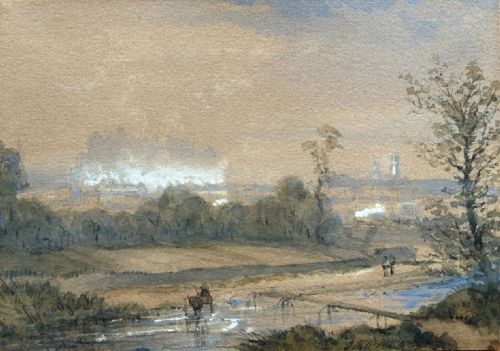
Landscape views of Scotland, Yorkshire, and coastal harbours appear frequently alongside botanical studies and figurative interiors.
Artists of the era travelled extensively, recording scenes from the Mediterranean as well as rural English countryside.