
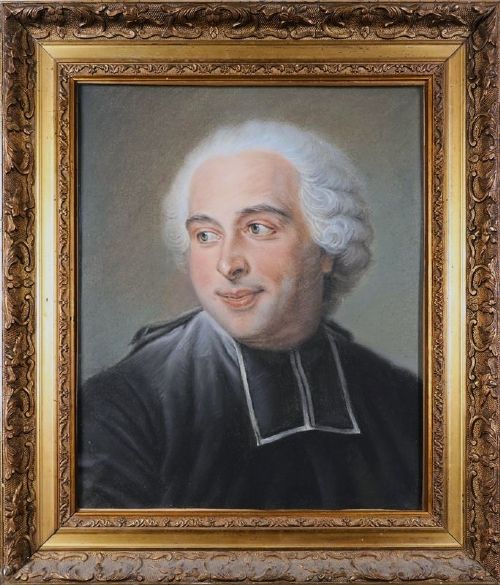
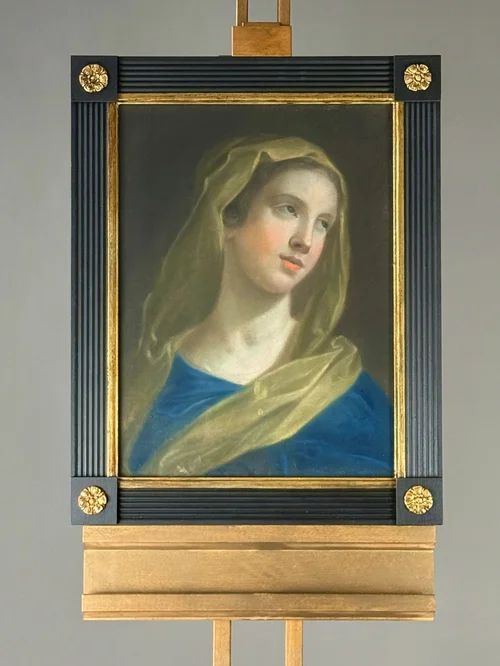


Pastel Chalk Portrait
A pastel chalk portrait captures the direct touch of dry pigment on paper, prized for its immediacy and subtle tones.
Pastel Chalk Portrait
A pastel chalk portrait brings a personal likeness onto paper or canvas using soft colour sticks and chalk. You will find examples here spanning from the 18th century through the Victorian era and into the early 20th century.
The selection includes framed fine art, wall art, and portrait drawings executed by various hands, ranging from French and Italian schools to Modern British artists. These works capture subjects from young girls and boys to poets and historical figures.
Many pieces arrive in period frames, often made of giltwood or wood with protective glass. The format offers a direct window into historical portraiture, preserving the delicate dust of the medium over centuries.
Materials and technique
Artists built these images using pastel, chalk, and charcoal on a paper or canvas support, sometimes combining them with watercolour for added depth. The dry pigments were layered and blended by hand or tool to create soft flesh tones and textured clothing.
Finished works required careful mounting beneath glass to protect the fragile surface from smudging and moisture. Original framing typically involved wood and gold leaf, sealing the portrait securely against the backboard.
Materials documented across the collection include pastel, chalk, charcoal, watercolour, gold leaf, and giltwood.
Assessing quality and execution
The finesse of the draughtsmanship dictates the strength of a pastel chalk portrait, separating confident anatomical rendering from stiff imitation. Superior works capture a convincing likeness and psychological depth with minimal, assured strokes.
Preservation of the original surface significantly influences the standing of a piece, particularly whether the delicate pigment remains undisturbed behind the glass. The harmony between the artwork and its period frame, whether giltwood or wood, also completes the presentation.
Maurice Quentin de la Tour·Benedetto Luti·J Bizo·Arthur Todd·Robert Faulkner·Arthur Pond·Robin Watt·George Richmond·Harry Epworth Allen
The Pastel Chalk Portrait Glossary
- Pastel
- A dry painting medium consisting of powdered pigment and a binder, shaped into a stick. It allows for immediate colour application and soft blending.
- Giltwood
- Wood carved and covered with a thin layer of gold leaf or gold paint. It provides a bright, ornate border for traditional frames.
- Circle of
- A term used when a work is produced by an unrecorded artist working closely with a master and in a similar style. It denotes proximity to a known hand.
- Charcoal
- A form of dry carbonised wood used for drawing dark lines and shadows. It frequently underpins or accompanies chalk and pastel work.
Pastel Chalk Portrait: Frequently Asked Questions
How should I display a pastel chalk portrait?
Keep the artwork away from direct sunlight to prevent the dry pigments from fading over time. Ensure the room maintains a stable humidity to protect both the paper support and the wooden frame.
Hang the piece securely at eye level using appropriate fixings for your wall type. The existing glass should remain sealed to guard the delicate surface against dust and accidental touch.
Can I remove the glass for cleaning?
Leave the original glass and framing seals intact, as opening the package can release the loose pigment onto the inside of the glass. The fragile nature of dry media means any disturbance risks damaging the delicate layers.
Consult a professional paper conservator if the interior requires attention or if the backing needs replacement. They possess the specialised tools to handle historical works safely without disrupting the chalk.
What is the difference between pastel and watercolour?
Pastel relies on dry, un-dissolved pigment sticks applied directly to a textured surface like paper or canvas. This creates a velvety, matte finish with visible strokes of chalk and powder.
Watercolour uses finely ground pigment suspended in a water-soluble binder, applied wet with a brush. It produces translucent washes rather than the opaque, powdery layers characteristic of chalk portraits.
How do I identify the period of the frame?
Examine the construction methods and materials visible on the reverse of the frame, such as hand-cut wooden mitres and old fixings. Giltwood frames from the eighteenth and nineteenth centuries often display distinct gesso layers beneath the gold leaf.
Compare the style of the moulding with known historical periods like the Georgian or Victorian eras. Original pairings of artwork and frame are especially valued by collectors.