


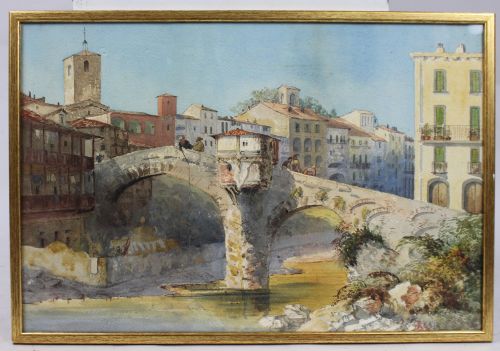
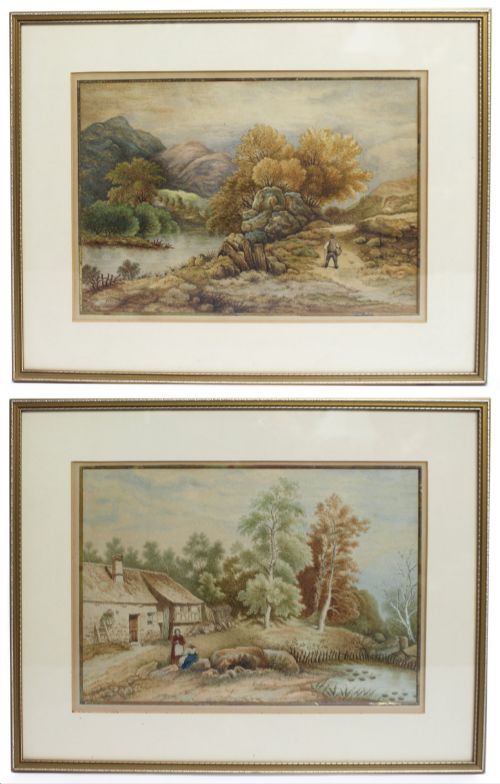
Signed Victorian Landscape Art
Signed Victorian landscape art captures the natural world of the nineteenth century through the authenticated hand of a period painter.
Signed Victorian Landscape Art
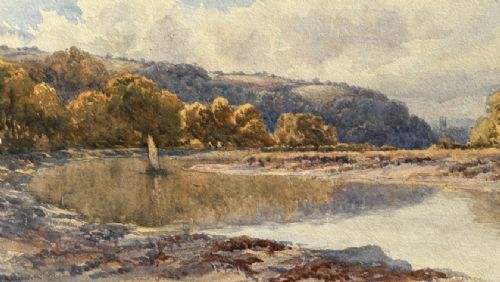
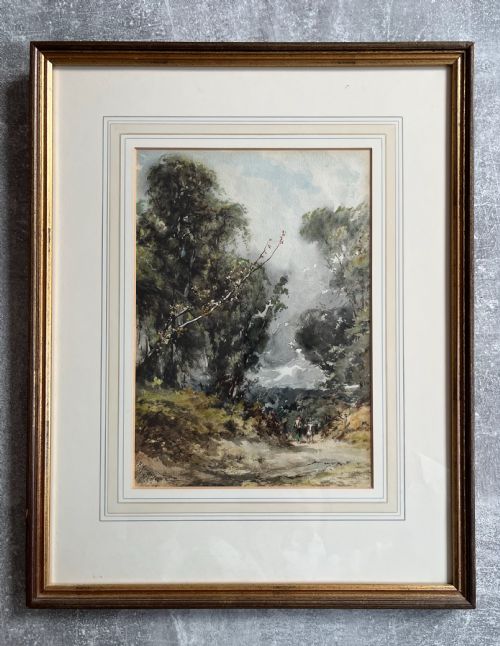
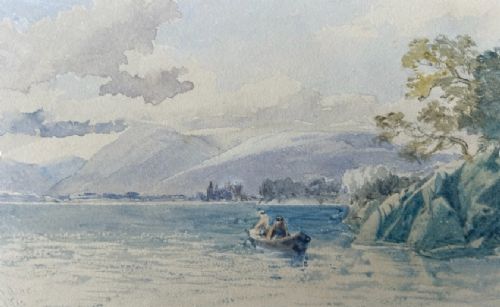
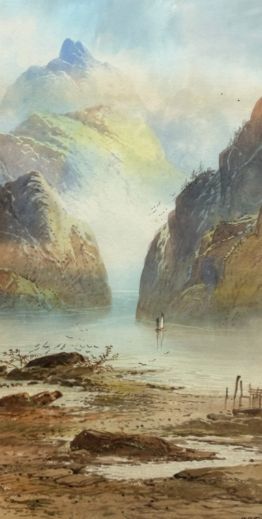
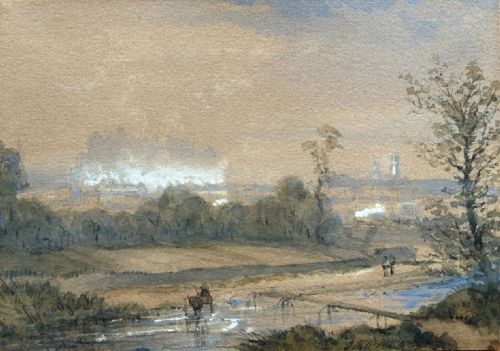
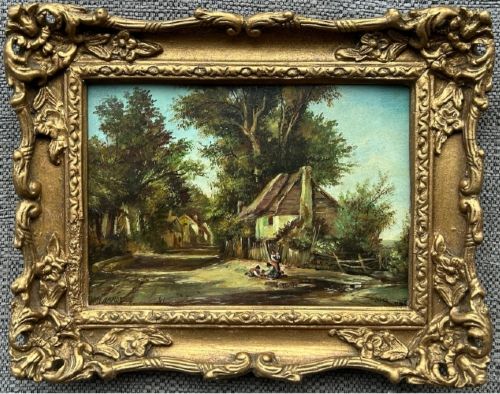
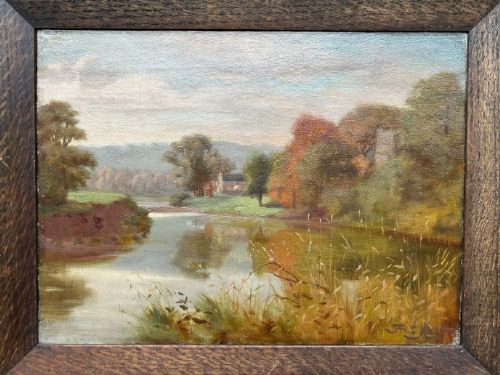
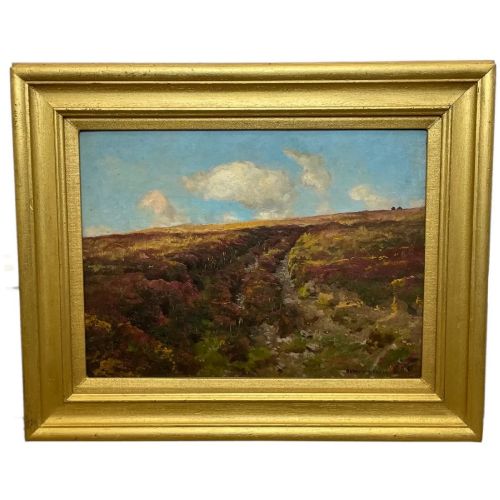
Signed Victorian landscape art comprises original paintings, watercolours and works on paper created during the nineteenth and early twentieth centuries. These pieces record the topography, rivers, coasts and rural life of Britain and beyond, marked by the individual hand of the artist. Buyers seeking signed Victorian landscape art encounter framed works ranging from intimate studies to exhibition-scale canvases.
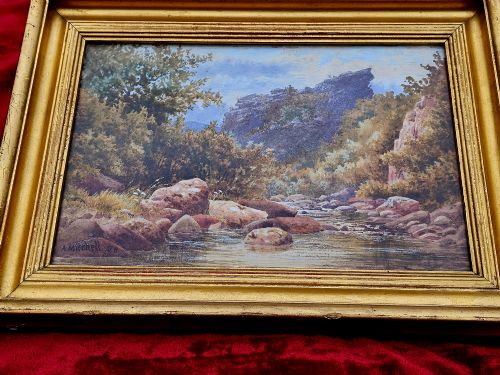
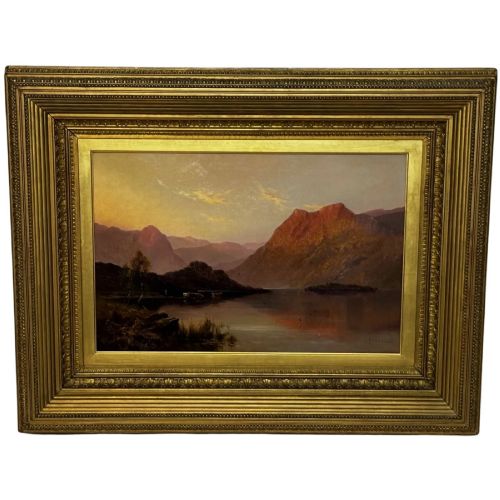
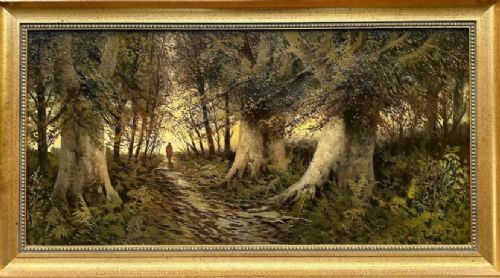
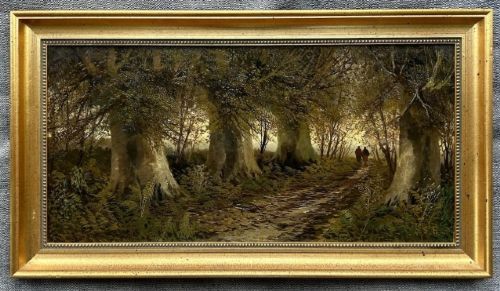
The selection on this page centres on original works bearing signatures, monograms or contemporary attributions from the period. Subjects span Scottish highlands, English riverbanks, coastal harbours and pastoral scenes executed in oil or watercolour. These works reflect the nineteenth-century fascination with naturalism, realism and the picturesque countryside.
How they were made
Artists painted these landscapes using oil on canvas, oil on wood panel, or watercolour pigment on paper. Canvases were stretched over wooden frames and primed before application, while watercolours relied on translucent washes built upon heavy rag paper. Many works retain their period gilt frames, which were designed to complement the palette and depth of the painting.
Techniques varied between the fluid, rapid application required for plein-air watercolour sketching and the considered layering characteristic of studio oil painting. Pigments were ground and mixed to capture atmospheric light, seasonal foliage and water reflections. Brushes ranged from fine sable tips for detailed foliage to broader hog-hair brushes for expansive skies.
Listings feature works from the Victorian, Edwardian and broader nineteenth-century periods, utilising oil, watercolour, canvas, paper and wood.
What varies in quality
Quality in these landscapes depends on the surety of the drawing, the handling of light and atmosphere, and the preservation of the medium. A superior work demonstrates confident brushwork and tonal balance, whereas weaker examples can appear stiff or formulaic in their composition. The strength of the artist's observation dictates whether a scene feels vital or merely decorative.
The condition of the surface also influences the standing of a piece. Well-preserved watercolours retain their original pigment vibrancy without excessive fading, while oil paintings show stable paint layers free from severe craquelure or clumsy retouches. Original period framing further enhances the integrity of the piece.
George Fotherly Hargitt·Thomas Miles Richardson Jnr·James Orrock·William Henry Earp·John R Prentice·William Howard Hardy·Frederick Marriott·Arthur Wardle·Alfred Fontville de Breanski Jr·William Banks Fortescue·Thomas W Lascelles·Th Thibault·Bernard Benedict Hemy·Henry H Parker·Alfred G Morgan·John Emms·Herbert Dicksee·Thomas Sidney Cooper·Harry Wanless·Arthur Herbert Rigg·James Mallard Bromley·Thomas Bush Hardy·Robert John Hammond·F J Aldridge·Henry Bailey
The Signed Victorian Landscape Art Glossary
- Watercolour pigment
- A water-soluble colorant suspended in a binder, applied to paper to create translucent washes. It was a favoured medium for both rapid field sketches and finished exhibition pieces.
- Oil on canvas
- Pigment bound in drying oil applied to a stretched woven fabric support. This technique allowed artists to achieve rich textures and deep tonal gradations.
- Plein-air
- Painting outdoors in direct natural light to capture immediate atmospheric effects. This practice gained prominence among nineteenth-century landscape artists.
- Monogram
- A cipher or combination of initials used by an artist to sign a work instead of a full signature. These marks often appear in the lower corners of period watercolours.
Signed Victorian Landscape Art: Frequently Asked Questions
How do I know if a signature is genuine?
Signatures on these works typically appear in pigment matching the palette of the surrounding paint layer, applied by the artist's hand at the time of creation.
Comparison with documented examples of an artist's signature or monogram helps verify authenticity against period conventions.
Were these watercolours intended to be framed?
Nineteenth-century works on paper were routinely framed behind glass to protect the delicate pigments from dust, moisture and ultraviolet light.
Many retain their period gilt mouldings, which played a structural and aesthetic role in presentation.
How should I care for a nineteenth-century oil painting?
Oil paintings on canvas or panel require stable indoor humidity and temperature away from direct sunlight and heat sources.
Dust should be removed gently with a soft, dry brush without applying moisture or chemical cleaning agents.
What subjects were popular in Victorian landscape art?
Artists focused heavily on recognizable British topography, including Scottish highlands, Welsh valleys, rural rivers and coastal harbours.
These scenes catered to a rising domestic appetite for depictions of natural beauty and pastoral industry.